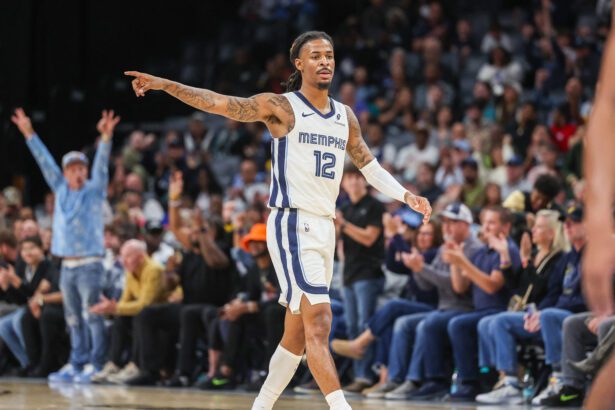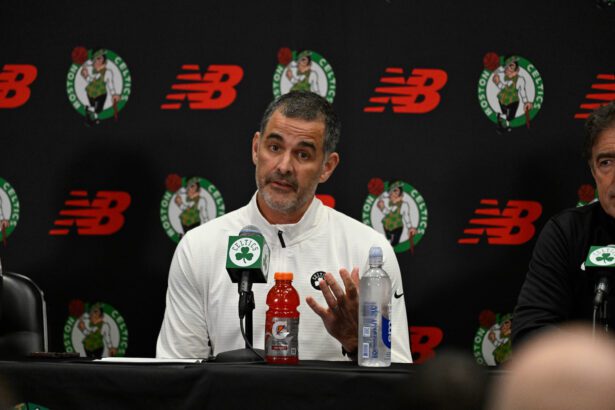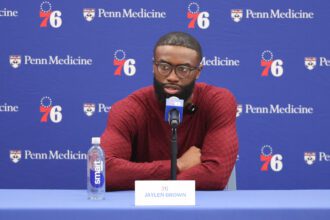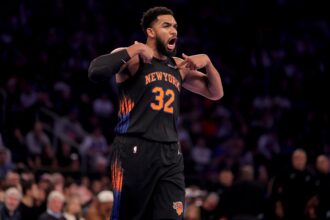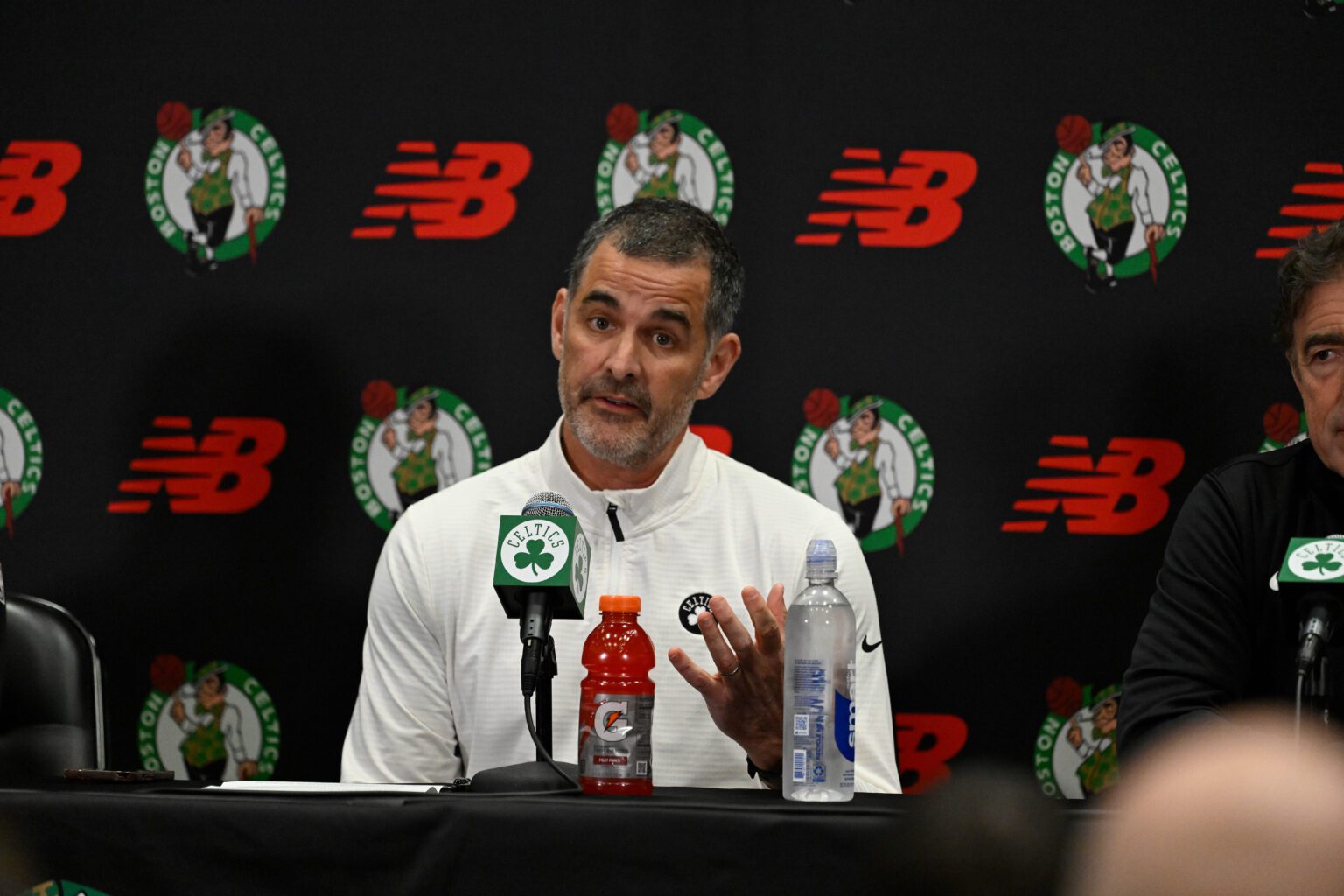
Boston Celtics owner Bill Chisholm has opened up about the difficult decision to trade Jaylen Brown, admitting that his emotions as a lifelong fan initially made it hard to approve the blockbuster move.
During an appearance on the Greg Hill Show, Chisholm was asked what happened when Celtics president of basketball operations Brad Stevens presented the idea of trading Jaylen Brown.
“Yeah. I mean, it’s a really good question. It’s one that I struggled with at the time. And like you said, I truly believe we have the best front office in the NBA, and I think it’s a source of advantage for us every day. And so I definitely have a level of trust in Brad and his team.”
“But man, as a fan, that was tough. And I really needed to be convinced and to take the fan passion out of it, cause I’m a super fan, was tough. And frankly, to put aside the… I think you had to be a sociopath if you don’t worry a little bit about what other people, other fans are going to think.”
“And so to put all that to the side and just do the job, I step back and realize you have a responsibility to protect and advance the legacy of the Celtics. And we’ve got the best brains in basketball, and this is something that they had conviction around. I needed to be convinced, and that’s my job, but they did convince me, and we did it with conviction.”
“And I think we’ll see where it goes, but we feel good about it. But of all that stuff, it’s tough. I mean, it’s really tough on a personal level. I really like Jaylen as a person, the role he played in the community, and obviously the role he played on the court will be sorely missed.”
Chisholm said that he needed some convincing before separating his responsibilities as an owner from his attachment to Brown as a fan.
Brown had been an enormous part of the Celtics organization for 10 years, both on and off the court. That made moving him more complicated than simply evaluating basketball value.
For Chisholm, approving this trade meant accepting that Celtics fans would certainly strongly disagree with the decision. He did acknowledge how the move would be received, but said it was his responsibility as an owner to look beyond the immediate emotional reaction.
Chisholm admitted that he asked questions and needed Boston’s decision-makers to convince him that trading Brown was the correct decision for the direction of the franchise. Once they did, however, ownership fully committed to the move.
Brown wasn’t just another player, as he had established himself as one of the most important figures in Celtics history, making this the type of franchise-altering decision that ownership could not retract.
Chisholm’s comments also provided an interesting glimpse into his approach as Celtics owner. Despite describing himself as a superfan, he was willing to defer to basketball executives when major basketball decisions arose.
That trust will be tested by what comes next. Chisholm admitted there is no guarantee where the decision will ultimately lead.
But when Stevens and the front office presented the case for moving Brown, the Celtics owner believed the people running the organization had earned enough trust for him to put his emotions aside.
For perhaps his biggest and toughest decision as owner yet, Chisholm chose the front office over the fan inside him.