This one had the feel of a game that could swing on a single possession, and it ultimately did. The Detroit Pistons edged out the Minnesota Timberwolves 113-108 in a tightly contested matchup where neither team could fully seize control for long stretches.
Minnesota had its runs. Detroit had its answers. But in the end, it was the Pistons’ balance, interior presence, and late-game execution that carried them across the finish line. In a game where the margins were thin, Detroit simply made a few more winning plays.
1. Jalen Duren Dominated The Interior
Detroit’s edge started inside, and Jalen Duren was the biggest reason why. He put together a monster stat line with 22 points, 14 rebounds, and 5 offensive boards, shooting an efficient 8-15 from the field.
What stood out was the timing. Every time Minnesota threatened to grab momentum, Duren came up with a putback, a strong finish, or a rebound in traffic. His +6 plus-minus doesn’t fully capture how much he controlled the paint.
Detroit as a team finished with a 48-40 rebounding advantage and outscored Minnesota 54-46 in the paint, and Duren sat right at the center of that. When the Pistons needed stability, they went inside – and Minnesota never found a consistent answer.
2. Daniss Jenkins Played Like A Veteran
Daniss Jenkins played one of the most complete games on the floor, finishing with 26 points, 8 assists, and just 1 turnover across 37 minutes. That assist-to-turnover ratio tells the story – he was in full command of Detroit’s offense.
He picked his spots as a scorer, going 9-19 from the field and a perfect 2-2 from three, while also getting to the line effectively (6-7 FT). More importantly, he controlled tempo. When the game sped up, he slowed it down. When Detroit needed a bucket, he created one.
In a five-point game, that level of composure matters. While Minnesota had multiple ball-handlers, none were as steady or efficient in orchestrating offense down the stretch.
3. Minnesota’s Perimeter Volume Didn’t Fix Efficiency
The Timberwolves let it fly from deep, 42 three-point attempts, but the results weren’t there. They shot just 31% (13-42), and several key players struggled to find consistency.
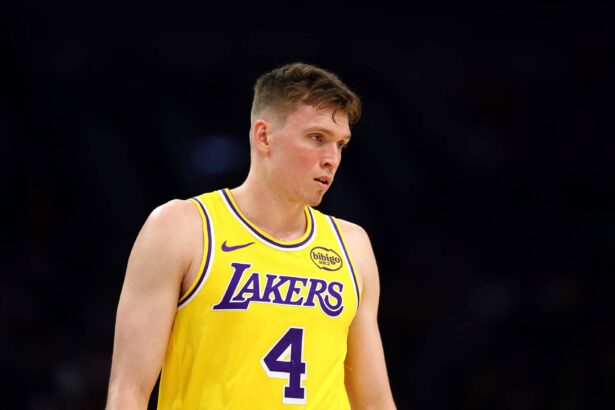
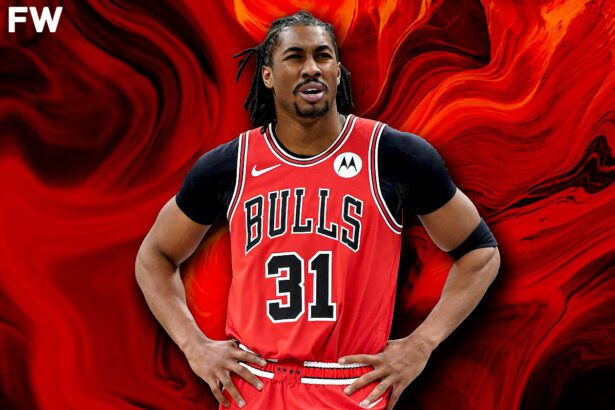
Donte DiVincenzo went 1-7, while Ayo Dosunmu finished 2-7, and those empty possessions piled up over time. Even though Mike Conley had a strong night (14 points, 4-7 from three), it wasn’t enough to offset the inefficiency elsewhere.
Detroit, on the other hand, was far more selective and effective, shooting 43% (10-23) from deep. That difference in shot quality, not just volume, quietly tilted the game in Detroit’s favor.
4. Julius Randle Carried The Offensive Load
Julius Randle did everything he could to keep Minnesota in it, finishing with 27 points, 6 rebounds, and 6 assists on 9-15 shooting. He was aggressive, physical, and efficient, especially when attacking the midrange and getting to the line (7-10 FT).
He consistently generated offense when Minnesota needed it, whether it was initiating from the top or backing down defenders. For stretches, he was the only player creating reliable scoring opportunities.
The issue was support. While Naz Reid added 19 points off the bench and Dosunmu chipped in 19, Minnesota never found a consistent offensive rhythm as a group. Randle kept them within striking distance, but Detroit had more answers across the roster.
5. Detroit’s Playmaking Made The Difference
What separated Detroit wasn’t just one standout performance – it was the collective output. The Pistons had six players score at least 7 points, with five players recording multiple assists.
They finished with 29 assists compared to Minnesota’s 22, a reflection of how connected their offense was. Even Ausar Thompson, who scored just 7 points, contributed across the board with 9 rebounds, 9 assists, 3 blocks, and 2 steals, impacting nearly every possession.
That balance showed up in key moments. When Minnesota keyed in on one option, Detroit shifted elsewhere. When a possession broke down, someone else stepped up. In a close game, that versatility and willingness to share the ball proved decisive.