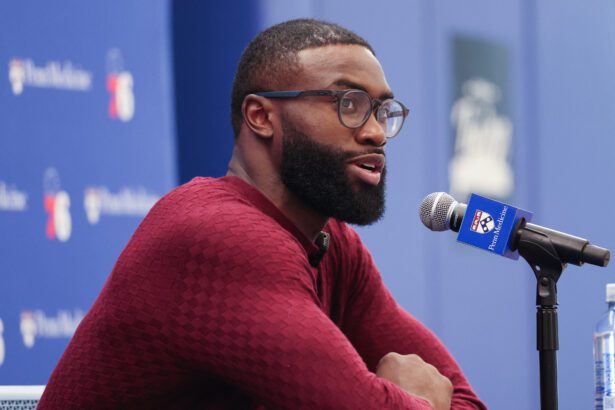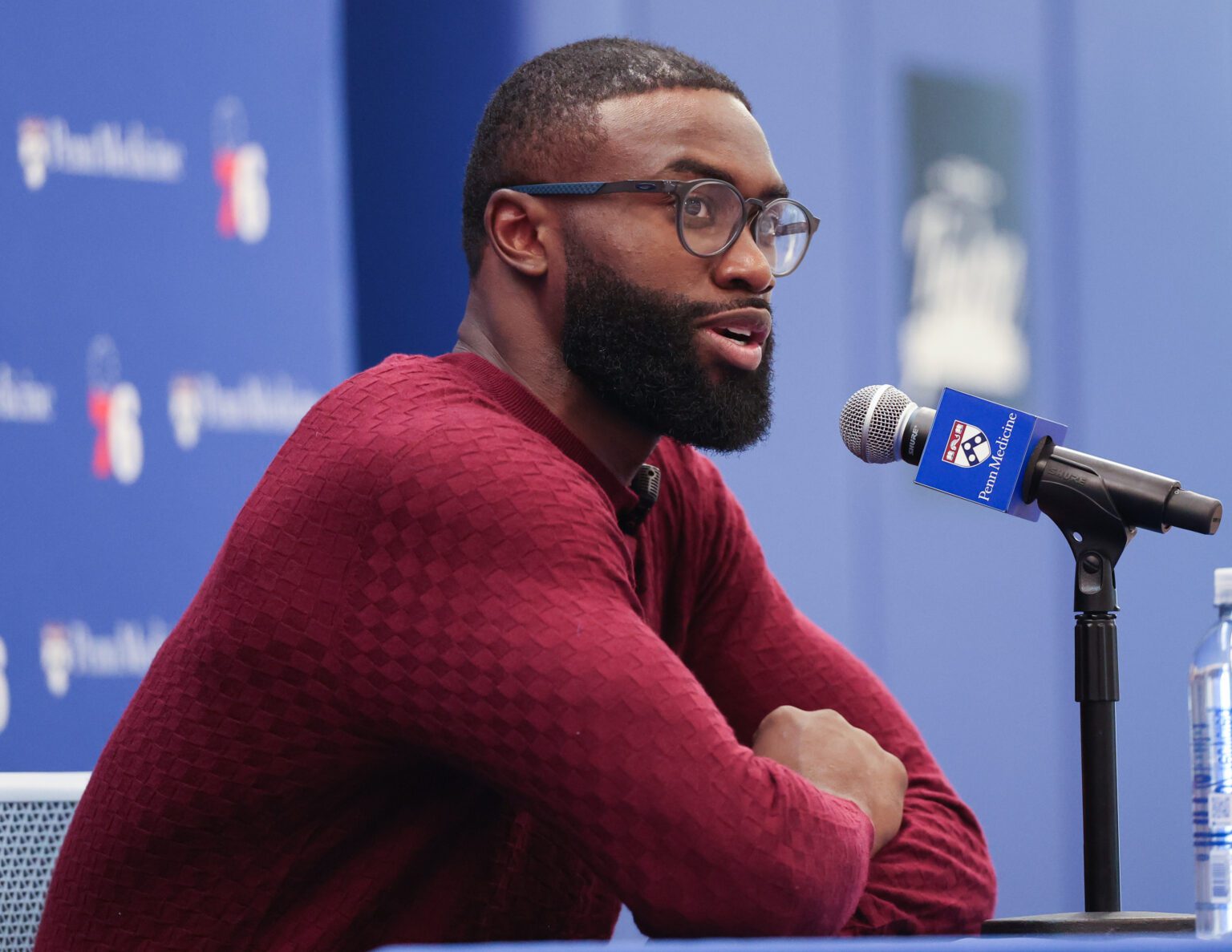
Jaylen Brown has already earned hundreds of millions of dollars throughout his career, but he thinks that young athletes need to understand that making generational wealth and keeping it long-term are two very different things.
During an appearance on the Boardroom podcast, Brown reflected on getting his first NBA paycheck and revealed the advice that he would give the next generation of professional athletes about managing their finances.
Brown still remembers physically holding his first check after receiving some advice from NBA legend Isiah Thomas.
“What I would tell myself now is, I guess I would say there’s some more on the way. Ha, abundance. Some more on the way. Oh, you’re in abundance. But at the time, you know, like, I was, you know, so reserved. So when I got my first check in the mail, I physically touched it because, you know, I got the advice, like, you know, just feel your first check. Isiah Thomas gave me that advice, and I got it in the mail.”
“And it was, you know, as I went to go deposit it and stuff. So I got that first experience. And I’m grateful that I had mentorship to let me experience that because a lot of athletes don’t know how much money is in their bank account or are not in control of it at all.”
“So I would tell the next generation, just keep an eye on your money from day one. You know what I mean? Transactions. Be careful who you give approvals to, from advisors. Like, even if you get busy or people are encouraging you to do things, be like, it’ll be all right. They can wait. You know, make sure that you can have a level eye on what’s going on with your money, is what I would say to the next generation.”
“Because a lot of athletes today, and now, have no idea what’s in their account or who has charge of approving it and how much is leaving per month. Have no clue until they retire, and then it’s not there, and they wonder what happened. So I would tell the next generation, just keep an eye on it.”
“If it’s something that you want to do, make sure you’re approving it or involved. I give a—I refer, like, there should be three approvals before anything gets done, just so there’s a level of order that takes place. Because you get busy and, you know, you look at things, and you might have only seen it once, and people approve stuff. And then it’s bills that pile up, and you wonder where they came from. I would say just try to keep an eye on it as best you can.”
“You work very hard in your career. It would be a shame for, you know, that work to not be able to be withstood long term as you retire so you can enjoy certain things. So, you know, I would say to the next generation, just keep an eye on it. I would say to myself, just, you know, just keep doing what you’re doing. I would just give myself encouragement, for the most part.”
Brown certainly understands the amount of money that can come with NBA success. After being selected No. 3 overall in the 2016 NBA Draft, Brown signed a four-year, $21.4 million rookie contract. And after that, his earnings skyrocketed.
Brown signed a four-year, $106 million extension in 2019 before agreeing to a then-NBA record five-year, $285 million deal in 2023. Once his current contract is fully paid out, Brown’s career earnings will exceed $420 million.
But Brown isn’t simply trusting others to manage that fortune. He has revealed that he prefers having multiple layers of oversight before significant financial decisions are finalized.
For Brown, athletes becoming busy is part of the danger. Between games, practices, travel, and everything else involved in professional sports, it can be easy to approve something once and never check it again, and then the bills start accumulating.
Brown’s financial philosophy fits with other comments that he made during the same podcast. He revealed that he lived like a college student during his first three NBA seasons without a chef or a car, while also discussing the dark side of wealth and fame, where conversations can become invoices.
His message to young athletes is simple: Nobody should care more about protecting their money than they do.
Making millions is an incredible opportunity, and Brown wants young athletes to make sure those millions are still there when their careers end.