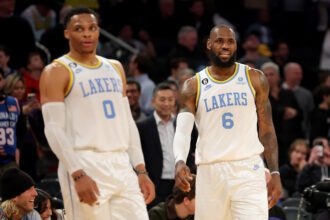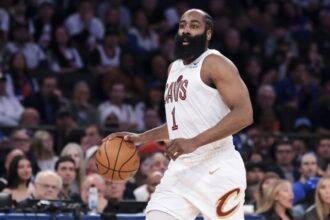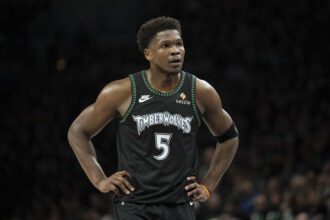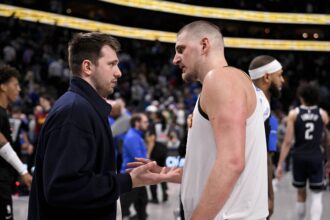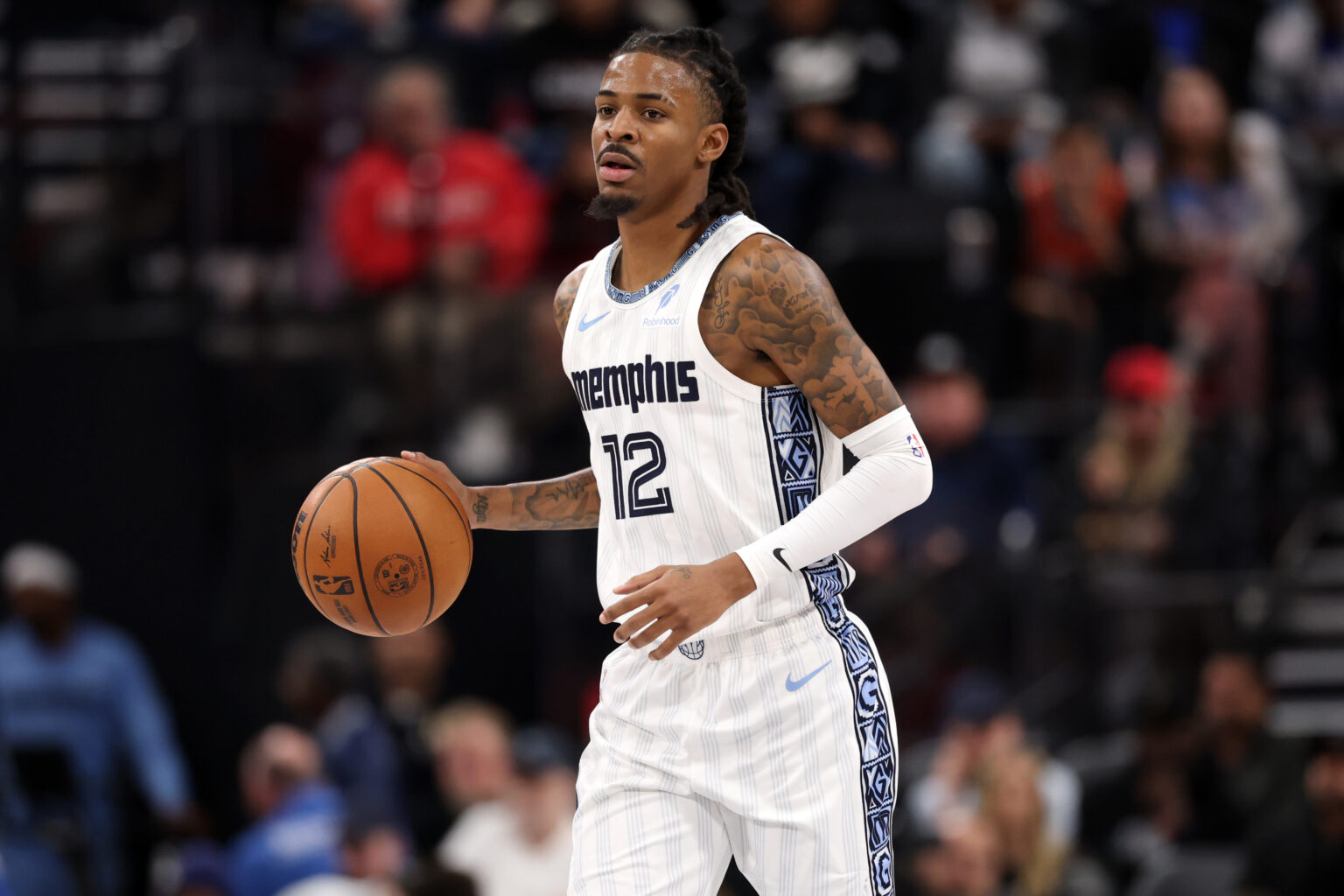
The 2025-26 NBA season was thrilling, but it also came with a massive burst of stars who just couldn’t manage to stay at their best level during the entire campaign. There’s a reason why Trae Young was shipped out of Atlanta for an aging CJ McCollum as the main return, or why the Grizzlies couldn’t even land one first-round pick out of the Ja Morant deal.
Last season really felt like a big number of stars couldn’t get going like they used to, and the combination of injuries, shrinking roles, crowded rosters, and an overall lack of spark might have all been key reasons. For example, Joel Embiid was great at 26.9 PPG, but only played 38 games all year.
That’s the main angle for this article. Some stars were featured in high-stakes trades in the offseason, as their new teams now absolutely need them to perform. Others are coming off a new contract, or looking for one, and need to perform better than last year to back that talk. So, without further ado, here are the NBA stars who need a bounce-back year the most.
8. Zion Williamson
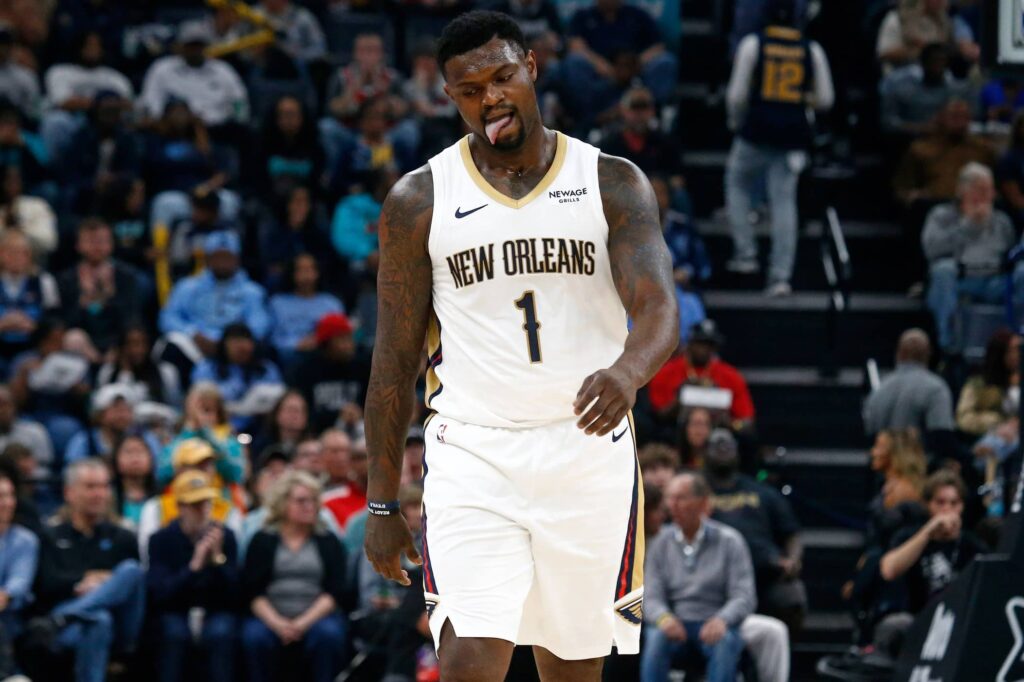
I’ll start with the one that’s actually a little encouraging, weirdly. Zion Williamson stayed on the floor for 62 games last season, which by his standards counts as a genuine win. He played 29.7 minutes a night and put up 21.0 points, 5.7 rebounds, and 3.2 assists on a ridiculous 60.0% shooting. Read those numbers cold, and they look great. For a normal starter, they would be.
Line it up against his own history, and you see the gap. He had 24.6 points, 7.2 rebounds, and 5.3 assists in 2024-25 across 30 games. Back in 2022-23, it was 26.0 points on 60.8% shooting. In 2020-21, 27.0 points on 61.1% shooting. Last year’s 21.0 points a game was his lowest scoring average since his rookie season, and that 3.2 assists mark was a real step down from the 5.0 and 5.3 he’d posted the two years before.
His shot diet is still one of the strangest in the league: 13.0 attempts a game, almost no threes at all (0.1 a night). That’s part of why 60.0% shooting is so absurd, but it also means the Pelicans genuinely need him getting downhill constantly to generate first-option-level volume. Last year, that volume just wasn’t consistent enough.
There’s more competition for the ball now on the roster. Trey Murphy III is on an All-Star trajectory at 21.9 PPG last season, rookie Jeremiah Fears played all 82 games and scored 14.3 points, and New Orleans still has Derik Queen and other pieces who need touches. On top of that, the Pelicans changed coaches, and Jamahl Mosley is now running things after a 26-win season.
So 62 games was real progress. It just can’t be the whole story anymore. Zion’s turning 26 with career averages north of 24 points on some of the most efficient interior scoring the league’s ever seen. The talent’s not the issue. The question is whether he can turn that efficiency back into 25 or 26 points a night, create more for the guys around him, and actually make this team a playoff reality for once.
7. Jalen Green
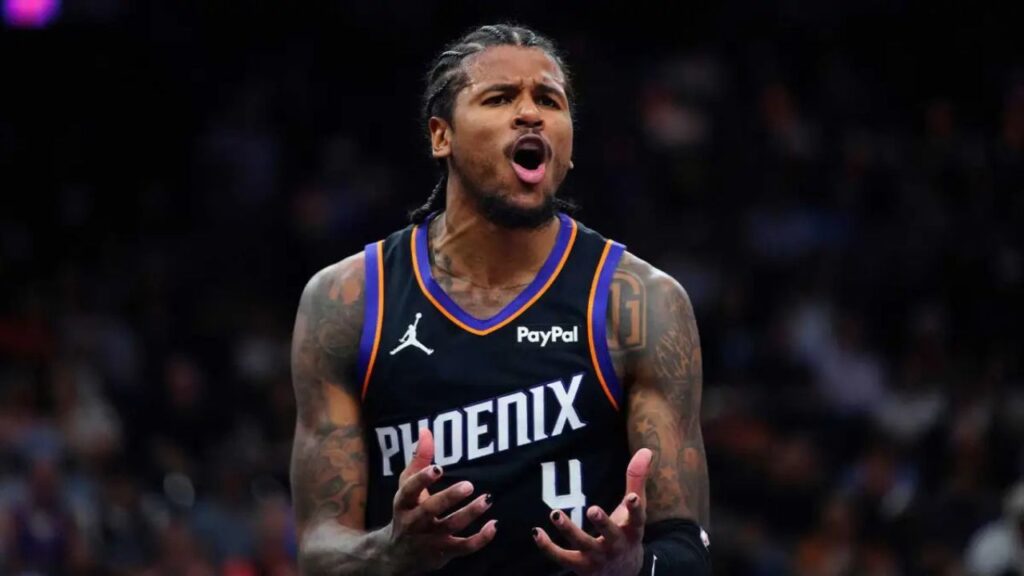
Five years into a career, “he’s still figuring it out” only buys so much patience. Jalen Green went No. 2 in 2021 because the ceiling looked enormous with pure burst, the kind of separation most guards can’t create, and scoring that could take a game over. Nights like that still show up. What hasn’t stabilized is the efficiency, and his first year in Phoenix didn’t really settle anything.
He played just 32 games in 2025-26, finishing at 17.8 points, 3.6 rebounds, and 2.8 assists in 25.9 minutes on 42.2% shooting, 31.3% from three, and 74.7% from the line. His effective field-goal percentage landed at 49.0%, mostly because he was jacking 7.1 threes a night and connecting on only 2.2 of them.
The year before told a different story. Houston got a full 82 games out of him in 2024-25, and he scored 21.0 points with 4.6 rebounds and 3.4 assists. His raw field-goal percentage was nearly identical, 42.3%, but he shot 35.4% from three and 81.3% from the line that year. That gap matters a lot when a guy’s firing up 16-18 shots a night.
But Green isn’t playing for a rebuild team anymore, and the Suns went 45-37 last season before Oklahoma City swept them in the first round. Devin Booker’s still doing his thing at 26.1 points and 6.0 assists, so nobody’s asking Green to become a No. 1 option. They just need him to stop turning every night into a coin flip.
There were flashes worth remembering, like a 36-point night against Golden State in the Play-In that showed exactly why the Suns keep betting on him. But one huge game doesn’t erase 32 nights of 31.3% shooting from three.
Phoenix has kept plenty of scoring around Booker regardless, with Dillon Brooks, Luke Kennard, Collin Gillespie, and a young frontcourt led by Khaman Maluach. Green doesn’t need 25 shots to make a difference. Honestly, fewer bad ones might be exactly the fix.
He’s only 24, so there’s time. But this season should finally tell us whether he’s becoming an efficient 20-point-plus second option or just staying a talented high-volume guard whose whole game hinges on whether the jumper’s falling that particular night.
6. Jalen Williams
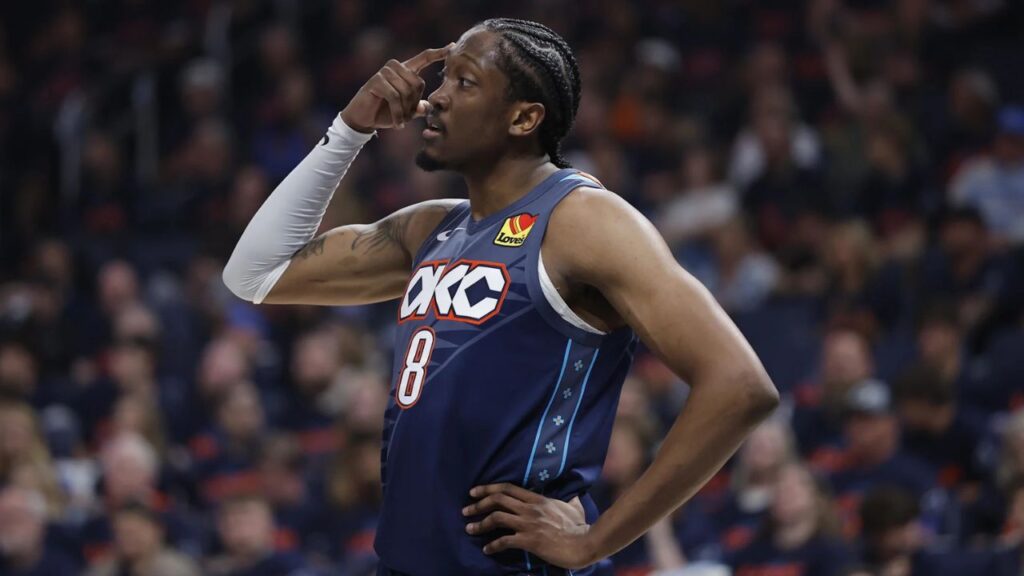
A year ago, this name on a bounce-back list would’ve sounded absurd, since Jalen Williams walked into last season off an All-NBA Third Team, All-Defensive Second Team year, and 21.6 points, 5.3 rebounds, and 5.1 assists across 69 games on 48.4% shooting and 36.5% from three. At 24, he looked completely locked in as Shai Gilgeous-Alexander’s co-star.
Then injuries made him feature in only 33 regular-season games in 2025-26. His scoring fell to 17.1 points, with 4.6 rebounds and 5.5 assists. The two-point game held up fine at 48.4% shooting overall, identical to the year before, but his three-point shot collapsed to 29.9%, just 23 makes on 77 attempts all year.
The injury log is even worse than “33 games” suggests on its own. A right wrist issue cost him 19 games. A right hamstring problem cost him another 30. Then a left hamstring strain wiped out six straight playoff games, including all of Oklahoma City’s second-round sweep of the Lakers. By the West Finals, he’d already missed 55 of the Thunder’s first 90 games between the regular season and playoffs. That’s not a rough patch. That’s basically a season with no rhythm at all.
The encouraging part: when healthy, the old version showed up instantly. In his West Finals return against San Antonio, he dropped 26 points with seven rebounds and three assists in 37 minutes, although he then dealt with hamstring tightness again in Game 2. Those two games basically summed up his whole year.
The GThunder can absorb injuries better than almost any team in the league, luckily for them. Ajay Mitchell averaged 21.2 points across the six playoff games Williams missed before the Finals, and the Thunder still have SGA, Chet Holmgren, Alex Caruso, and ridiculous depth behind them. That doesn’t mean they’re fine with their All-NBA wing turning into an optional piece long-term at over $40 million per season on his contract.
At 25, he should still be trending up. The ask for this season is simple: 65-plus games, something back around 21-22 points, and a three-point number closer to his 37.4% career mark than last year’s 29.9%. Get that, and this whole conversation disappears fast.
5. Trae Young
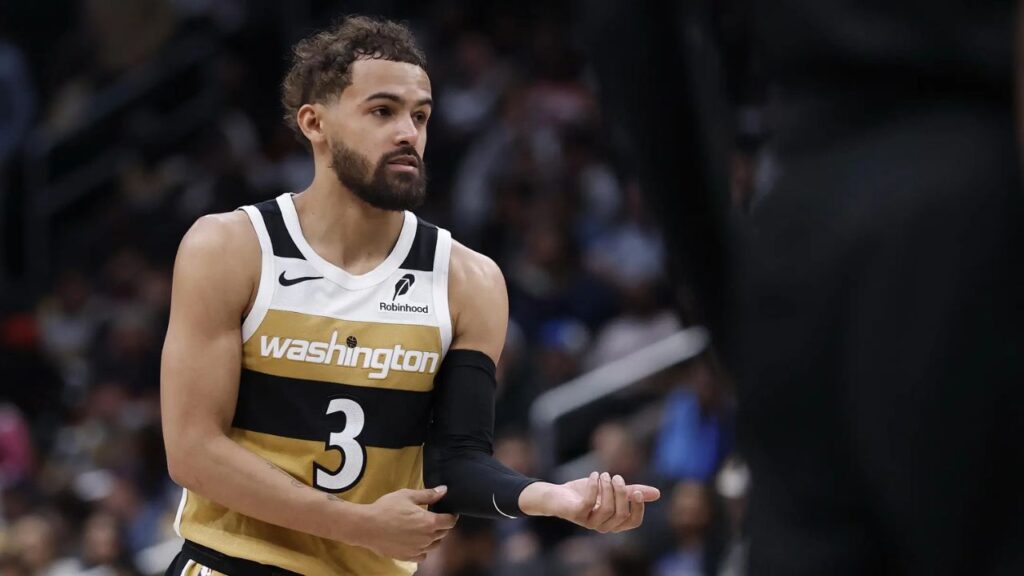
A year removed from playing 76 games and leading the NBA at 11.6 assists a night, Trae Young barely got a chance to find any rhythm at all last season. He finished at 17.9 points, 2.0 rebounds, and 8.0 assists in 25.6 minutes across 15 total appearances between the Hawks and the Wizards. His scoring dropped 6.3 points from the year before, and that was the main issue leading to his trade.
The trouble started almost immediately. A right knee MCL sprain on October 29 sidelined him for a long stretch. Before that, he’d played at least 73 games in four of his previous six seasons. Once he finally got back on the floor, Atlanta traded him to Washington that January for CJ McCollum and Corey Kispert.
Even the fresh start barely lasted. He averaged 15.2 points and 6.2 assists over five games with the Wizards before a right quad contusion and lower-back irritation shut him down again. So his entire body of work in Washington heading into this season is 104 minutes.
The Wizards clearly aren’t sweating it, though, since Young declined his player option and signed a four-year deal worth $212 million this summer. That number resets the bar immediately. Washington isn’t paying to watch him slowly find his game again; they’re paying for the guy with career averages of 25.1 points and 9.8 assists, and four All-Star nods already on the bag.
The roster around him also needs him to find his best level again. Anthony Davis is there, and if they don’t start winning, he may want an exit. AJ Dybantsa arrived with the No. 1 pick, and the team suddenly has bigger expectations than some months before.
A healthy Young should have real lob targets, more size on the floor, and better vertical spacing than he ever had for most of his Atlanta run. The benchmark for this season is straightforward: get back somewhere near the 24.2 points and league-leading 11.6 assists from 2024-25. The three-point shooting needs work too, after 33.8% last year and 34.0% the year before that. He’s 27, just started a $212 million contract, and this genuinely can’t be another lost year.
4. Paul George
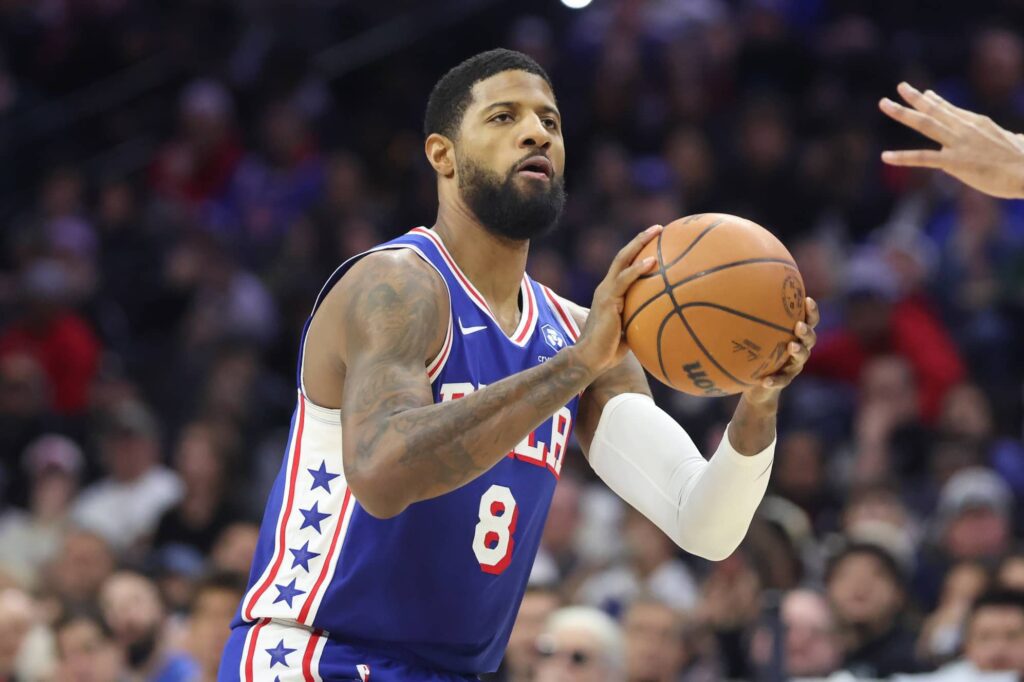
There’s no need anymore to turn back into 2018-19 Paul George for a 36-year-old veteran. At this point, the Celtics would probably just take a healthy season and call it a win after everything that happened in recent years.
That sounds harsh, but availability really has become the entire story. He played 41 games in 2024-25 and 37 in 2025-26, just 78 appearances across two full seasons, less than half of the possible 164. For a guy carrying $54 million into his age-36 year, that number has to move first, before anything else even gets discussed.
What he actually did on the floor last year wasn’t bad at all. He put up 17.3 points, 5.3 rebounds, 3.6 assists, and 1.7 steals on 43.9% shooting, 39.2% from three and 82.0% from the line, still knocking down 2.7 threes a game on 6.9 attempts, so the catch-and-shoot game clearly hasn’t gone anywhere.
There were even a few vintage nights mixed in. He dropped a season-high 39 against Washington and tied the 76ers’ franchise record with nine made threes against Milwaukee. In the playoffs, he scored 17.3 points across 10 games and shot 54.9% from three, hitting 34 total triples. So it’s not like the game itself disappeared.
The real issue is context. Philadelphia originally signed him to be a genuine second star next to Embiid and Maxey. Two years later, they shipped him to Boston along with two first-round picks and two second-round picks for Jaylen Brown. That’s a crazy move, taking into account that Brown was coming off his best-ever season and led the Celtics to a No. 2 seed without Tatum for most of the year.
Boston’s giving him a role that actually fits where his career is now. Tatum can carry the scoring load, so George shouldn’t need 20 shots or a huge usage number. His job looks more like 16-18 points, high-volume catch-and-shoot threes, some secondary creation, and wing defense. None of that works if he’s not on the floor, though.
Boston traded away a 29-year-old coming off 28.7 points a game for a 36-year-old plus draft capital. That only makes sense if George actually shows up in the box score and the box game log: 60-plus games, something close to that 39.0% from three, and this trade starts looking defensible. Another 35-40 game season makes it look a lot worse.
3. Anthony Davis
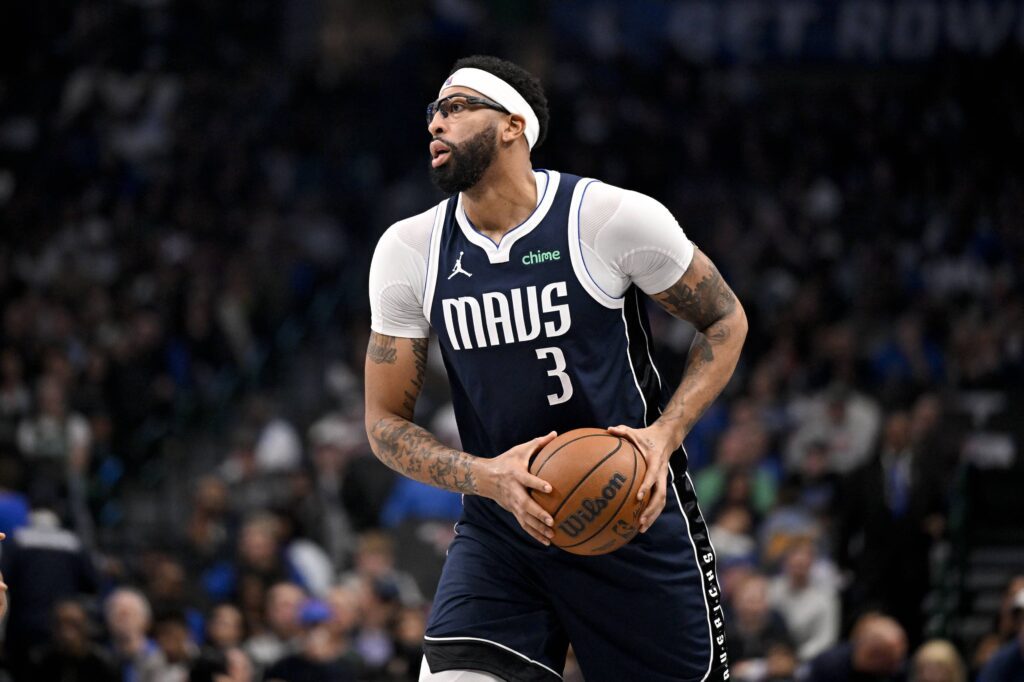
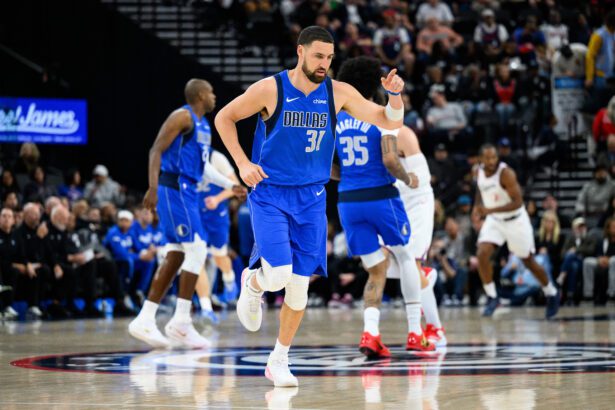
The strangest part of Anthony Davis‘ last season is that his Wizards tenure is still waiting to arrive, since he didn’t play a single game for them so far. He suited up in 20 games for Dallas before the Wizards acquired him in February as the centerpiece of a massive three-team trade. He never got healthy enough to actually debut for his new team, so his full-season stat line just froze at 20.4 points, 11.1 rebounds, 2.8 assists, 1.1 steals, and 1.7 blocks.
Even before the trade, the scoring had already dipped noticeably. He’d put up 24.7 points, 11.6 rebounds, 3.5 assists, 1.2 steals, and 2.2 blocks in 2024-25. Last season he lost 4.3 per game off those numbers, with his shooting slipping from 51.6% to 50.6% and his free-throw percentage dropping from 77.5% to 72.8%.
The interior game held up fine, for what it’s worth: 13.1 points in the paint and 4.7 second-chance points a night across his 20 games, plus 3.1 offensive rebounds a game. Even in a down year, the old AD was still visible in flashes.
The Wizards’ whole timeline looks different now anyway. Trae Young’s locked in on his new deal, AJ Dybantsa looks ready to play winning basketball, Alex Sarr’s developing nicely, and Deandre Ayton adds another veteran presence. Davis doesn’t need to log 38 minutes and single-handedly carry a rebuild. He needs to show he can still be the defensive anchor and 23-25 point scorer Washington thought it traded for.
But the biggest thing for Davis is actually showing that his demand for a new four-year, $275 million max contract is actually feasible. With numbers like 2025-26 again, the Wizards shouldn’t feel inclined to offer that massive deal at all, so AD must prove to the franchise that he can still be on that level of superstardom.
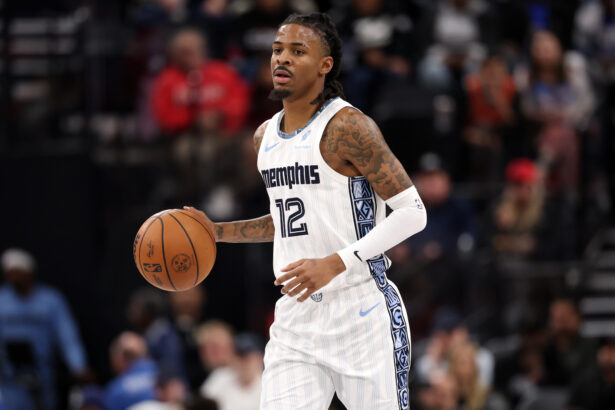
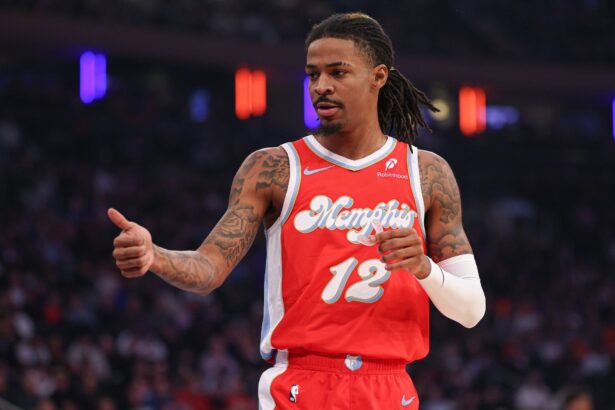
2. Ja Morant
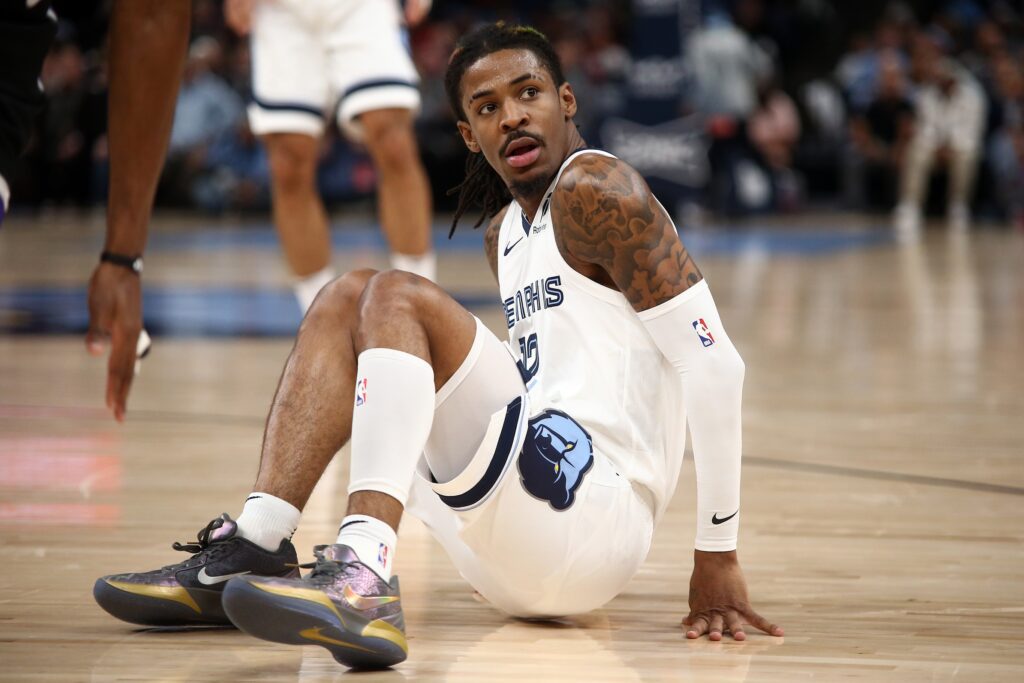
Four years ago, Ja Morant was 22, averaging 27.4 points, and making the All-NBA Second Team. Now he’s 27, on his second franchise, coming off arguably the worst season of his career. That gap is exactly why so much pressure is riding on his first year with the Blazers.
He played just 20 games for Memphis last season, putting up 19.5 points, 3.3 rebounds, and 8.1 assists. The assist number was actually strong (tied his career high), but nearly every scoring number went the wrong direction. He shot 41.0% from the field, 23.5% from three, and finished with a 44.1% effective field-goal percentage. That 19.5 points a game was his lowest mark since 2020-21.
Set that next to peak Morant, and it barely looks like the same player. In 2021-22, he had 27.4 points on 49.3% shooting and 34.4% from three. The following year, 26.2 points, 5.9 rebounds, and 8.1 assists. Even in 2024-25, he was still at 23.2 points on 45.4% shooting.
The availability trend is just as concerning. He’s played 9, 50, and 20 games across the last three seasons, only 79 total appearances out of a possible 246. Memphis eventually shut him down in March, and three months later they moved on entirely, sending him to Portland for Jerami Grant and Kris Murray.
Portland’s essentially betting the old version is still in there. He can still pressure the rim in a way almost nobody else in the league can, and 8.1 assists in an otherwise miserable season shows the playmaking never actually left. The Blazers also have enough size and defense around him now that he doesn’t have to solve every problem on his own.
But 23.5% from three can’t stick around. Neither can 20-game seasons. A real bounce-back looks something like 23-25 points, seven-plus assists, mid-40s shooting, and at least 60 games played. He doesn’t need to instantly become the 27.4-point All-NBA version again.
He just needs to look like himself.
1. Joel Embiid
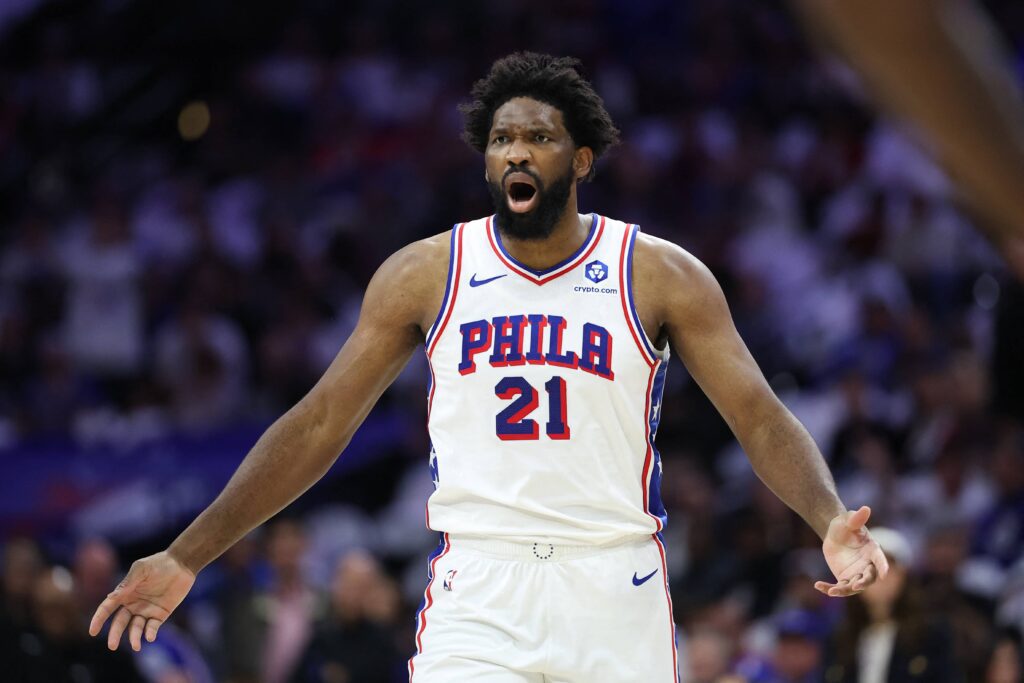
Given how good his numbers were last year, Joel Embiid’s bounce-back has nothing to do with proving he can still score like the other players on this list. The thing with Embiid runs entirely through health.
Even in another broken-up season, he put up 26.9 points, 7.7 rebounds, 3.9 assists, and 1.2 blocks in 31.6 minutes, shooting 48.9% from the field, 33.3% from three, and 85.4% from the line. He dropped a season-high 40 points, put together a 32-point, 15-rebound, 10-assist triple-double, and crossed 13,000 career points along the way.
The number that actually matters is 38. As in games. That came right on the heels of playing only 19 games the year before because of his left knee. Add the two seasons together and Philadelphia’s gotten 57 regular-season appearances from its franchise center out of a possible 164, which is 34.8% availability.
For a guy who won MVP in 2022-23 at 33.1 points a game and then somehow topped that with 34.7 the following year, dropping to 26.9 isn’t alarming at all. Philadelphia doesn’t need 35 points a night from him anymore. It needs him actually there in April and May.
Last season made even that feel impossible again. His minutes were managed hard because of the knee all year, and then an appendicitis diagnosis came in April right before the playoffs started. Somehow, he still came back and gave the Sixers 24.0 points, 7.7 rebounds, 5.7 assists, and 1.0 blocks across six playoff games.
At this point, there’s basically no roster excuse left either. Jaylen Brown arrived off a career year of 28.7 points, LeBron James signed after seriously weighing retirement, and Tyrese Maxey’s already playing at an All-NBA level. This might be the deepest roster Embiid’s ever had around him, which should also mean less forced regular-season burden.
The ideal version of this bounce-back isn’t 34 points a game. It’s something closer to 26-28 points, 10 rebounds, elite rim protection, and 55-60 healthy games that actually get him to the playoffs in one piece.
He turns 33 during the season, and Philadelphia’s built about as aggressive a win-now roster as it can. For Embiid, 2026-27 was never going to be about reminding anyone how dominant he can look for one night. It’s about finally stacking enough healthy ones together for that dominance to actually appear in June.