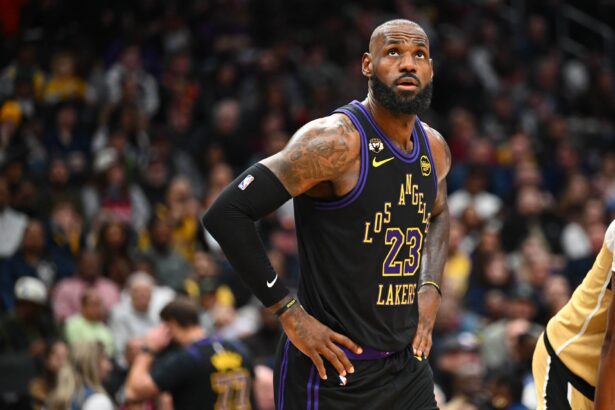
Former No. 1 pick Kwame Brown has never shied away from strong opinions, and his latest comments have sparked another debate across the basketball world. Speaking on the Fearless podcast with Jason Whitlock, Brown argued that the NBA is shifting toward what he described as ‘Euro and white players,’ tying that trend to money, marketing, and global appeal.
“I predicted this a couple years ago. It’s going to be the Euro and the white league. Outside of LeBron James, Stephen Curry, maybe Kevin Durant, a lot of our superstar guys that come with a lot of baggage, myself included, they come with a whole country behind them.”
“Think about the advertising dollars that Luka Doncic is creating being at the top of the league. Why would we get that little kid from the hood that the Black community is not really going to promote and push anyway? They’re going to be divided on talking about them and disrespecting them.”
“Instead of a kid from Venezuela or any other country, Mexico, they’re going to get an entire country that supports them. We don’t support each other.”
Brown’s core argument centers on economics. He pointed out that international stars bring entire countries with them, which translates into massive commercial value. Players like Luka Doncic and Nikola Jokic do not only represent teams, they represent nations. That creates a built-in fan base, stronger global reach, and more sponsorship opportunities. According to Brown, that matters when the league and brands decide who to promote heavily.
He also made a broader claim about internal division within American basketball culture. Brown suggested that American players, particularly Black athletes, often face more criticism from within their own communities, which can affect how they are perceived and marketed. In his view, that lack of unified support contrasts with the way international stars are backed by their home countries.
There is a layer of truth in parts of what Brown is saying. The NBA has clearly become more global. The last seven MVP races have been dominated by international players. Jokic has three MVPs. Doncic is in the middle of a historic run. The talent pool has expanded, and front offices now scout globally at a level never seen before.
But the conclusion Brown draws does not fully hold up. The NBA is not being ‘taken over,’ it is being expanded.
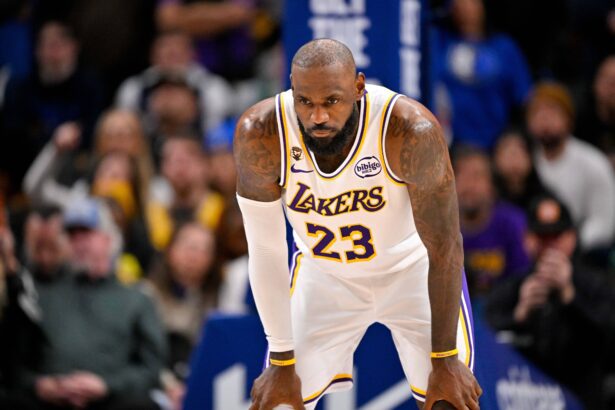
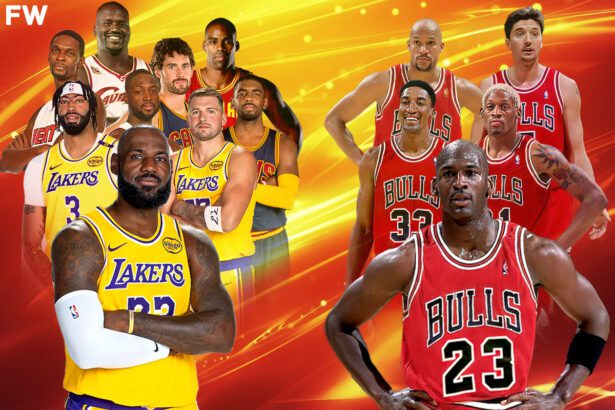
Even today, the majority of players in the league are American, and a large percentage are Black athletes. The top tier of the league still includes names like LeBron James, Stephen Curry, Kevin Durant, and a wave of younger stars who continue to dominate headlines and production. The league’s identity has not shifted away from American talent. It has simply added more global stars to the mix.
What has changed is visibility.
International players now arrive more polished. Many grow up in structured systems, play professional basketball earlier, and enter the NBA with advanced skill sets. That has allowed them to compete at the highest level immediately. At the same time, the NBA has pushed harder into global markets, which naturally elevates players who connect with those audiences.
Brown’s take raises an important discussion about marketing, identity, and support systems in basketball. But the numbers and the talent pool tell a different story.