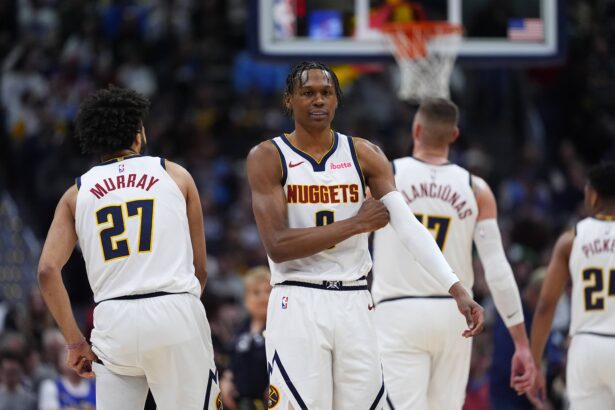
After a long and arduous period of contract negotiations, the Peyton Watson free agency saga has finally come to an end. With the Denver Nuggets moving the 23-year-old forward to the Cleveland Cavaliers in a five-team deal, the franchise closes another chapter in this year’s offseason. Unfortunately, the consequences of this are far from favorable.
Before the trade, the Nuggets were just a touch below the second apron, primarily since Lonnie Walker IV’s $3.2 million contract is not yet guaranteed. While this would give Denver some flexibility to bring Watson back, ClutchPoints’ Brett Siegel revealed why the franchise would be unwilling to do so when he wrote:
“For those asking why the Nuggets wouldn’t just keep Peyton Watson for $22M, it’s because that $22M would have resulted in Denver’s tax bill jumping from $68M to over $220M. A near $500M season between taxes and payroll just wasn’t something the Nuggets were prepared to do.”
Thus, as has been reiterated before, Peyton Watson’s exit was inevitable. Given Denver’s salary cap issues and the growing disconnect between the two parties, the Nuggets had virtually no means of retaining him. In many ways, a sign-and-trade seemed like the only viable outcome.
Sadly, the assets gained from the deal weren’t too promising for the Nuggets either. In return for the promising young two-way prospect, Denver gained one first-round pick (2031), a second-round pick (2032), and a 50% trade exception from Peyton Watson’s new four-year, $88 million contract.
To some extent, the trade exception could be somewhat meaningful as the Nuggets look to fill out the two remaining roster spots. However, according to the Third Apron’s Yossi Gozlan, there are finer details that may prevent the franchise from doing so. He shared:
“The Nuggets are currently prohibited from using their newly created trade exception. As a second apron team, they aren’t allowed to A: take back players under contract in a sign-and-trade or B: use a trade exception created by signing and trading a player. They could unlock it by getting under the second apron. Using it would then hard-cap them to the second apron. They’re unlikely to use it this season anyway due to their payroll situation.”
ESPN’s Bobby Marks backed Gozlan’s point, highlighting that the Nuggets cannot use the trade exception as long as they remain above the second apron. With Marks also noting that Denver is currently $1.3 million above the second apron, the circumstances certainly look more dire.
The Nuggets Must Shed More Salary
While parting with Peyton Watson is difficult as it is, the Nuggets’ luxury tax situation hasn’t improved much. Given that they are still expected to field a bill of nearly $68 million, it is apparent that Denver will be forced to shed more salary, especially if they wish to add more talent this summer.
The move that is currently looking most likely involves offloading Zeke Nnaji’s $7.4 million contract. Since the Nuggets are considered a second-apron team at this stage, Denver will only be able to accept draft compensation for Nnaji. Given that parting with this contract would help Denver get roughly $6.5 million below the second apron, the front office is likely to weigh this approach.
Getting under the second apron would also give the Nuggets access to the potential $10.2 million trade exception gained from the Watson trade. Even though this would effectively hard-cap them at the second apron, Denver may use this to complete the signing of DeMar DeRozan, who has reportedly been on their radar this offseason.
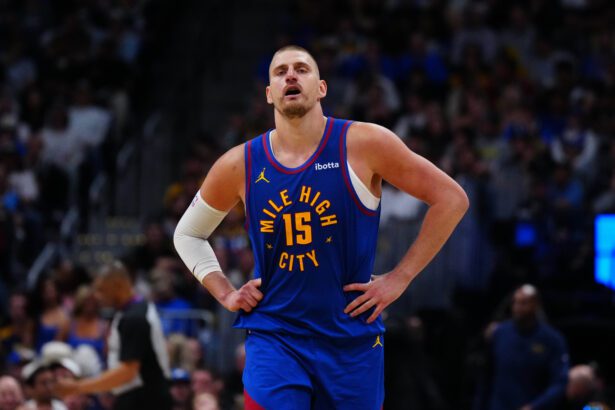
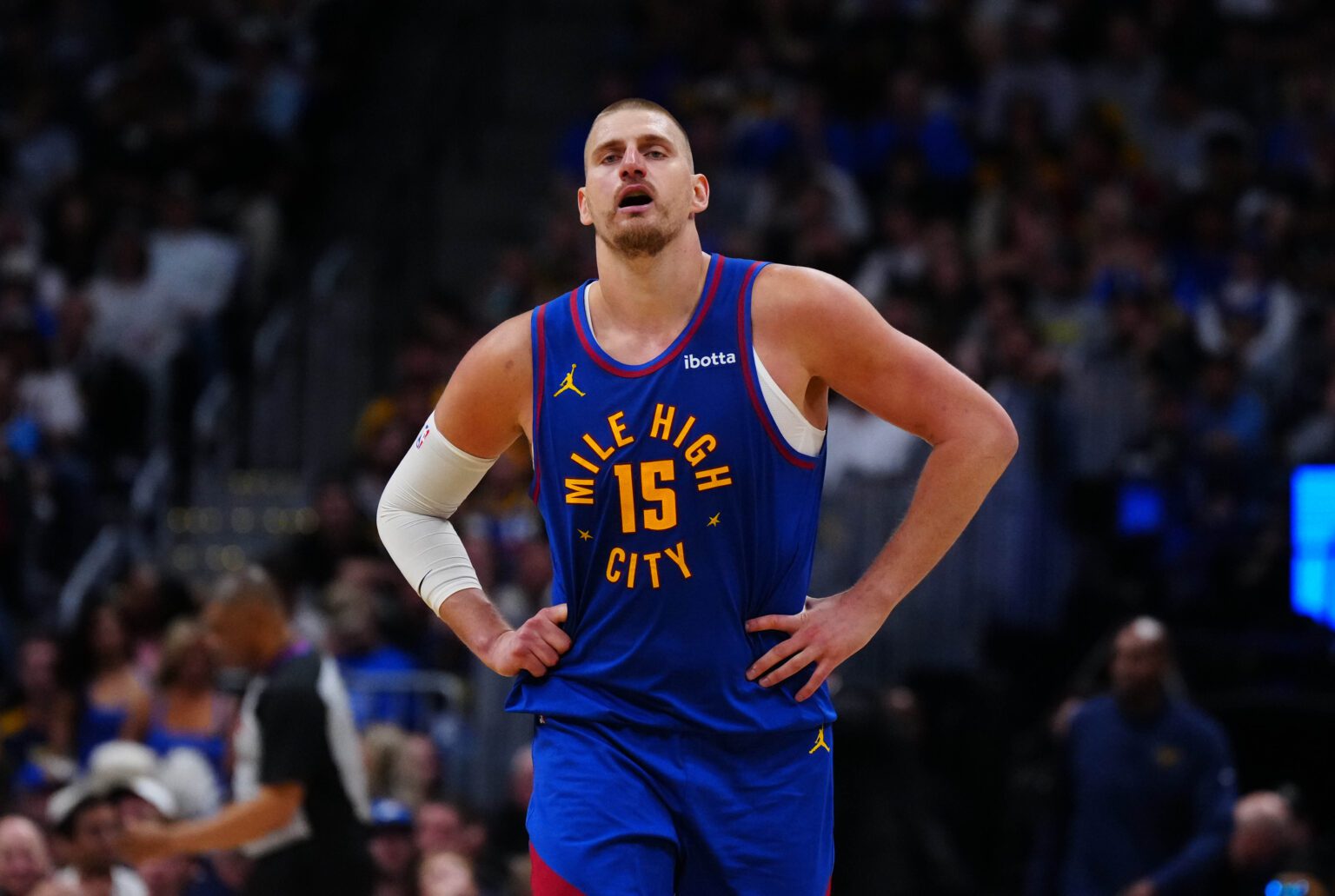
With the departure of Peyton Watson, the Nuggets have effectively placed their future in the hands of Nikola Jokic, Jamal Murray, Aaron Gordon, and Christian Braun. In light of how this offseason has gone, however, it is safe to say that Denver is likely to enter the new campaign as a weaker team than last year.