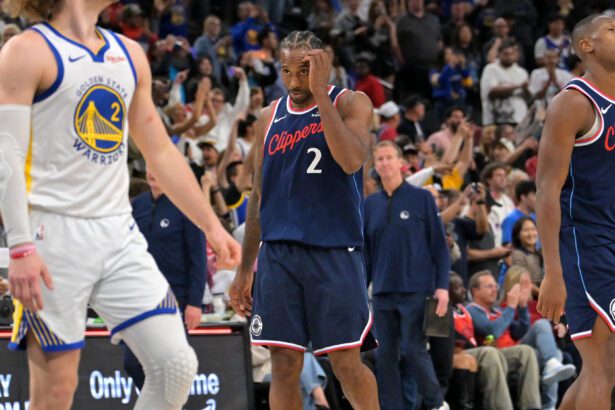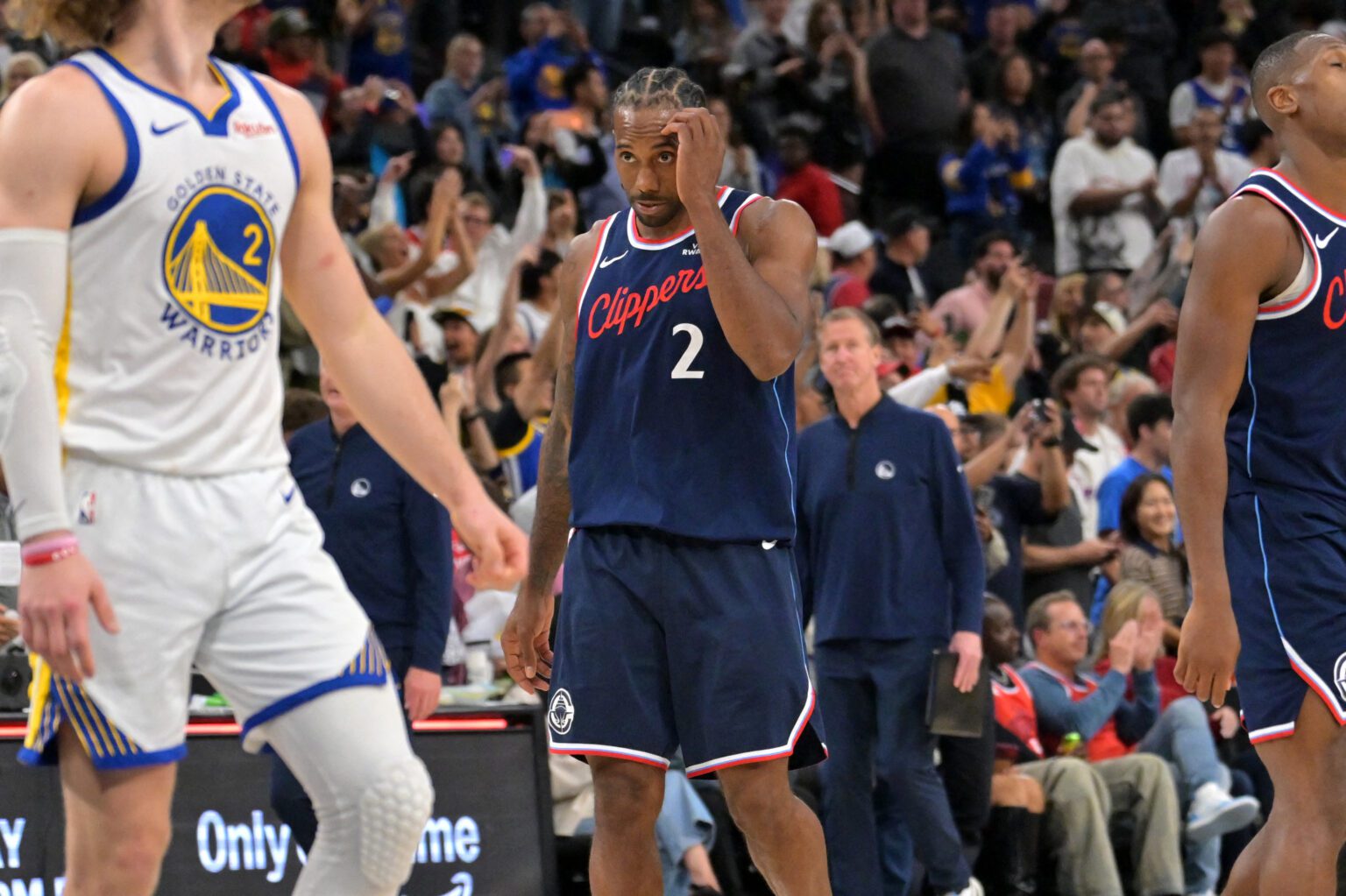
This year’s offseason has been marked by several intriguing storylines, most of which have pertained to player movement. However, the investigation into the Los Angeles Clippers‘ salary cap circumvention involving Kawhi Leonard‘s contract remains a key saga this summer.
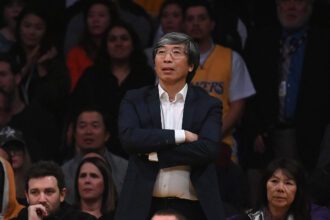
The news about Leonard’s salary cap scandal broke last year, when a report by Pablo Torre delved into Leonard’s $28 million “no-show” deal with Aspiration, a fraudulent company that was allegedly compensating the superstar under the table. Although investigations into this matter revealed no direct links between the Clippers owner Steve Ballmer and the team’s sponsors, even leading the NBA to dispute ESPN’s report, the official findings are yet to be released.
Needless to say, the consequences could be significant, causing the Toronto Raptors to put a hold on finalizing Kawhi Leonard’s acquisition. While penalties may be levied depending on the eventual evidence, a recent report by Sportico’s Michael McCann revealed why the NBA must weigh its next steps carefully. McCann raised an important question about the matter when he asked:
“Can a league restrict opportunities for a business to engage in sponsorship and endorsement negotiations with a team and a player on that team?”
In the Clippers’ case, it has become clear that Steve Ballmer wasn’t directly involved in any transactions involving Kawhi Leonard. In that case, McCann questioned whether the NBA could still fine the franchise’s employees for introducing Leonard’s team to sponsors.
He mentioned similar cases in the league, including Stephen Curry‘s endorsement deal with Rakuten, which was also the Golden State Warriors‘ sponsor. However, this didn’t demand further probing, as it was common for a brand to sponsor teams along with a player on the team.
While one could argue that the Clippers’ situation is an outlier because of Leonard’s suspicious contract demands in the past, McCann raised another intriguing point about the players’ right of publicity, which may be far more relevant.
Given the NBPA’s emphasis on each player’s right to enter individual endorsement deals (as long as it doesn’t intersect with group licensing), McCann added:
“If a team were punished because of communications that contributed to a player on the team signing a deal with a team sponsor, the player could argue that such a move would have a chilling effect on his endorsement opportunities. The player and NBPA might go so far as to argue that the league has suppressed or damaged players’ rights of publicity and freedom to enter into individual contracts.”
Given that players have the right to engage with sponsors without any restrictions, if the NBA chooses to penalize the Clippers or Kawhi Leonard harshly, the league risks backlash from the NBPA over the limitations on commercial freedom.
Since this could also indirectly deter sponsors from engaging in new deals with other players, primarily out of fear of another probe, any damage to a player’s off-court income may also trigger a heated response from the NBPA.
Overall, this is a tricky situation for the NBA. If the league penalizes the Clippers aggressively, the resultant pushback could lead to greater collateral damage. However, if the NBA isn’t harsh enough, other players may choose to enter similar deals, effectively nullifying the purpose of the salary cap.
Although there is no conclusive update on when the investigation into the Clippers will conclude, some expect the league to decide ahead of the next Board of Governors’ meeting. Given what’s at stake, the NBA and Adam Silver may have to tread carefully.