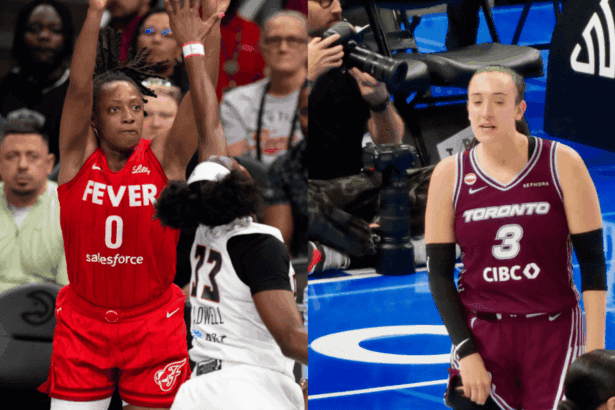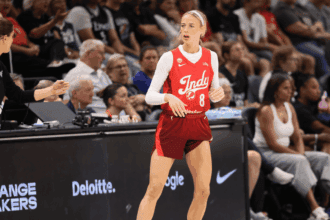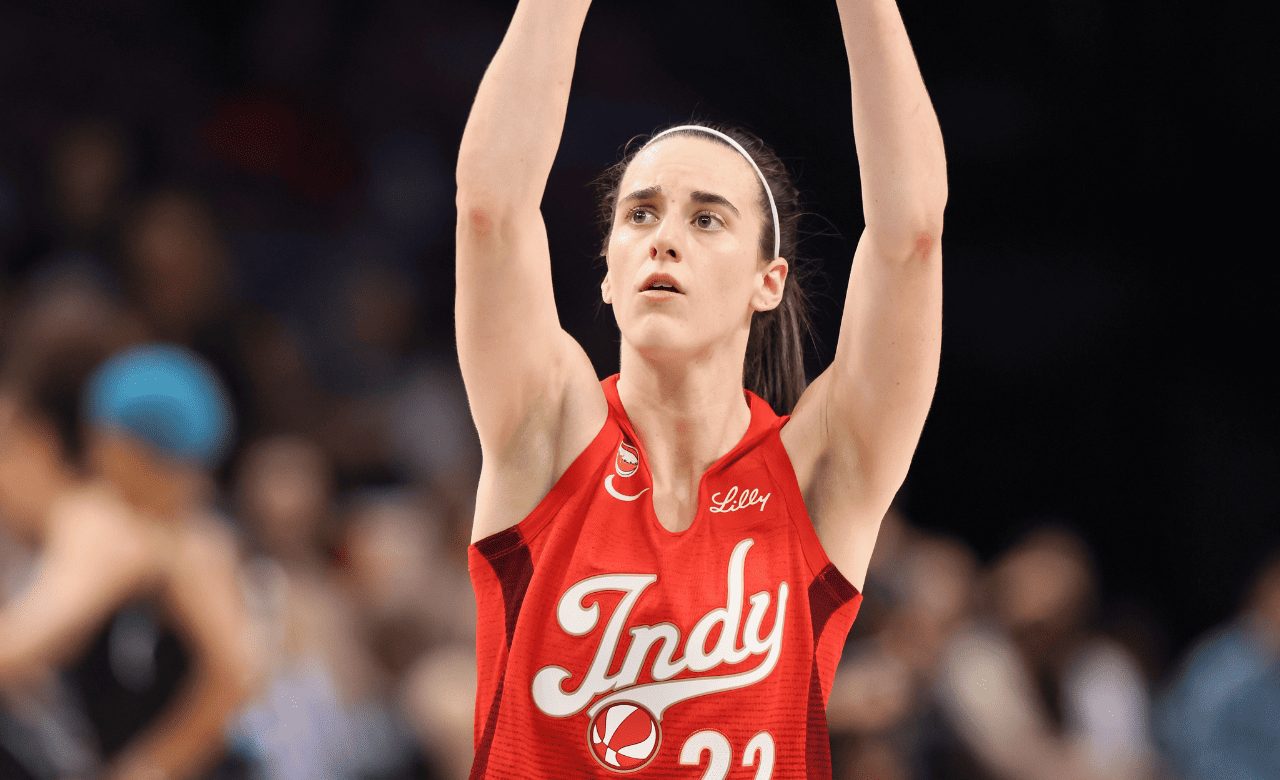
Sunday’s overtime thriller between the Indiana Fever and the Atlanta Dream had already delivered enough drama on its own. Then the officials opened their mouths, and the story took a turn nobody saw coming.
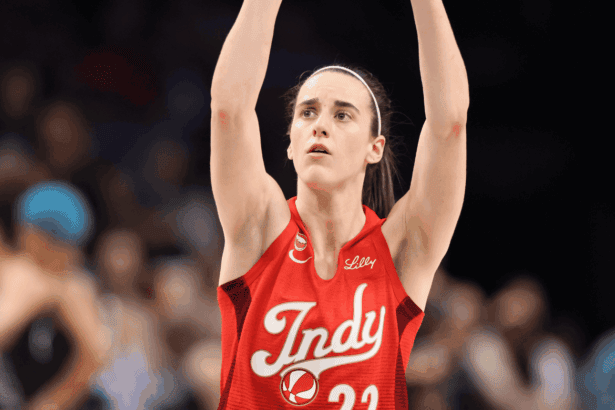
With just over 10 seconds left in overtime and Indiana clinging to a 93-88 lead, Caitlin Clark was whistled for a foul on Atlanta’s Rhyne Howard during a three-point attempt. The Fever challenged the call, believing Clark barely grazed Howard on the shot. After review, the officials upheld it, and the way they announced the ruling is what set off the real controversy.
“The contact by Caitlin Clark is deemed illegal,” the referee said over the arena microphone, naming Caitlin Clark directly instead of simply describing the play.
That phrasing caught the attention of Terry McAulay, a longtime NFL official who spent two decades on the field before becoming a broadcast analyst. He didn’t weigh in on whether the foul itself was correct. He went after the way it was delivered.
“Using a player’s name during a foul or review announcement is incredibly unprofessional,” McAulay wrote on X, adding that he had never once seen it happen across any sport he had covered or worked.
Using a player’s name during a foul or review announcement is incredibly unprofessional.
I’ve never heard it done before in any sport I’ve watched or been involved with.
It personalizes the ruling which should always be avoided. https://t.co/iKLS4cHr2U
— Terry McAulay (@tjmcaulay) August 17, 2026
ESPN’s broadcast team had also flagged the call in real time before the review even wrapped up. Rebecca Lobo, watching the replay live, said flatly,
“It’s a touch, and you don’t call that all game long,” predicting the officials would reverse course.
They didn’t, and the decision stood. In the same game, Angel Reese wasn’t given a foul for ‘dirty’ neck contact against Caitlin Clark.
McAulay’s post didn’t stay a one-way conversation for long. One fan pushed back directly, pointing to a specific instance from the NBA.
“Same thing happens in the NBA as well, Terry,” the fan wrote. McAulay seemed genuinely thrown by the claim.
“Really? Is it a regular occurrence in both leagues?” he asked.
The fan then referred to the incident in which referee Josh Tiven named LeBron James on the floor during a foul review in Game 4 of the 2025 Western Conference playoff series between the Lakers and Timberwolves. Minnesota closed that contest on a 14-6 run to win 116-113, powered by 43 points, nine rebounds and six assists from Anthony Edwards and 25 points from Julius Randle, while Luka Doncic answered with 38 points and five threes for Los Angeles. The result pushed the Timberwolves to a 3-1 series lead.
McAulay’s follow-up made clear he hadn’t expected the confirmation.
“Wow…that’s terrible. Do they still do this or did the league tell them to stop?” he wrote.
What McAulay initially framed as a WNBA-specific lapse turned out to be a habit shared, at least occasionally, by the league he spent his career officiating.
Caitlin Clark shrugged off the moment and kept producing. She finished with 26 points, and nine assists, marking the 23rd game of her career with at least 25 points, and five assists. That total now ranks fifth all time in WNBA history, a number that keeps climbing as her third season rolls on.
Caitlin Clark wasn’t alone in carrying Indiana. Kelsey Mitchell added 20 points, stretching her streak of 20-point games to 19 straight outings. Rookie Makayla Timpson chipped in a career-high 20 points, including six crucial ones in overtime, as the Fever pulled away late.
Atlanta didn’t go quietly either. Angel Reese posted 15 points, 14 rebounds, and six assists for her 23rd double-double of the season, and Allisha Gray matched her career high with 32 points in the losing effort. The Dream simply ran out of time once the review went Indiana’s way.
Indiana’s 95-91 win pushed its winning streak to four games and gave the Fever a game-and-a-half cushion over Atlanta in the standings, with both teams still jockeying for playoff seeding down the stretch. Whether the WNBA quietly adjusts how its officials announce reviews or simply lets the moment pass, McAulay’s own replies suggest the practice is bigger than one Sunday night broadcast.