The Miami Heat have long built their identity on toughness, conditioning, and availability. That is why the growing frustration surrounding Tyler Herro’s injury-filled season feels louder than usual. An NBA assistant coach speaking to Sean Deveney on Heavy On Sports:
“They can’t admit it, but the frustration level with Herro is off the charts there. They can’t get rid of him, there is really no market for him out there. But what’s the use of a guy who shows up ready to play like 20% of the time? And they have young players who can replace him pretty easy.”
On paper, Herro remains one of Miami’s most gifted scorers. He is averaging 21.9 points, 4.7 rebounds, and 2.7 assists while shooting 49.7% from the field and 35.8% from three. Those are strong numbers. The problem is availability. Herro has appeared in just 11 of the team’s 56 games this season.
The timeline of setbacks only adds to the tension.
It began with ankle surgery. Herro dealt with discomfort in the offseason but delayed the procedure until September 19. That decision cost him the first 17 games of the year.
When he finally returned, there was optimism that the worst was behind him. Instead, he lasted only a handful of games before a bruised toe sidelined him for another month.
Most recently, a rib cartilage injury, officially labeled a right costochondral injury, has kept him out for 14 more games. Add it all up, and Herro has missed 45 of 56 games at one point this season. For a player earning $31 million this year and $33 million next season, that absence stings.
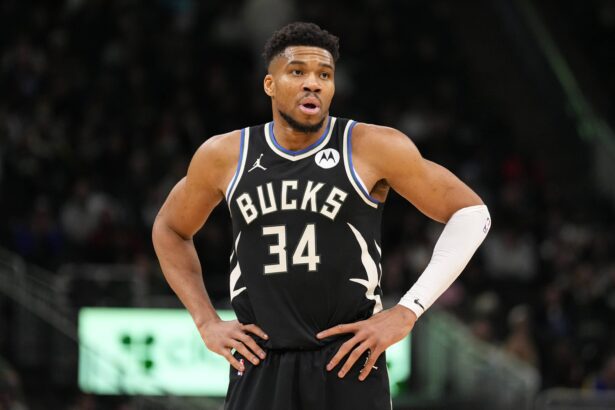
There is also the business side. Herro was reportedly included in Miami’s trade discussions for Giannis Antetokounmpo. The Heat has not labeled him untouchable. Instead, they have been willing to explore moving him in blockbuster deals.
Complicating matters further is the emergence of rookie guard Kasparas Jakucionis. The 6-foot-5 combo guard has stepped into meaningful minutes and provided steady production. While he does not replicate Herro’s exact scoring skill set, he offers size, defensive energy, and availability.
The Heat sit at a crossroads. They remain competitive in the Eastern Conference, but their margin for error is thin, as they sit 8th in the league with a 29-27 record. In a league that now emphasizes depth and durability, having a high salary tied to a player who has suited up roughly 20% of the season is difficult to justify.
Herro’s talent is not in question. He can score at all three levels and take over stretches of games. The concern is reliability. Miami’s culture demands players who show up nightly, embrace physicality, and push through adversity.
Until Herro proves he can consistently stay on the floor, the frustration is unlikely to fade. And if the right trade opportunity arises again, it would not be surprising if Miami listens.