Matt Barnes did not sugarcoat it. He simply read the receipts.
On a recent segment on All The Smoke, while breaking down Sacramento’s history, Barnes ran through a list that felt less like analysis and more like a timeline of self-inflicted wounds.
“2011, they picked Jimmer Fredette with the 10th pick. The next pick was Klay Thompson, and three picks after that, Kawhi Leonard.”
“2012, they picked Thomas Robinson with the fifth pick. The next pick was Damian Lillard. I’m sorry, I’m sorry, I’m bringing this up.”
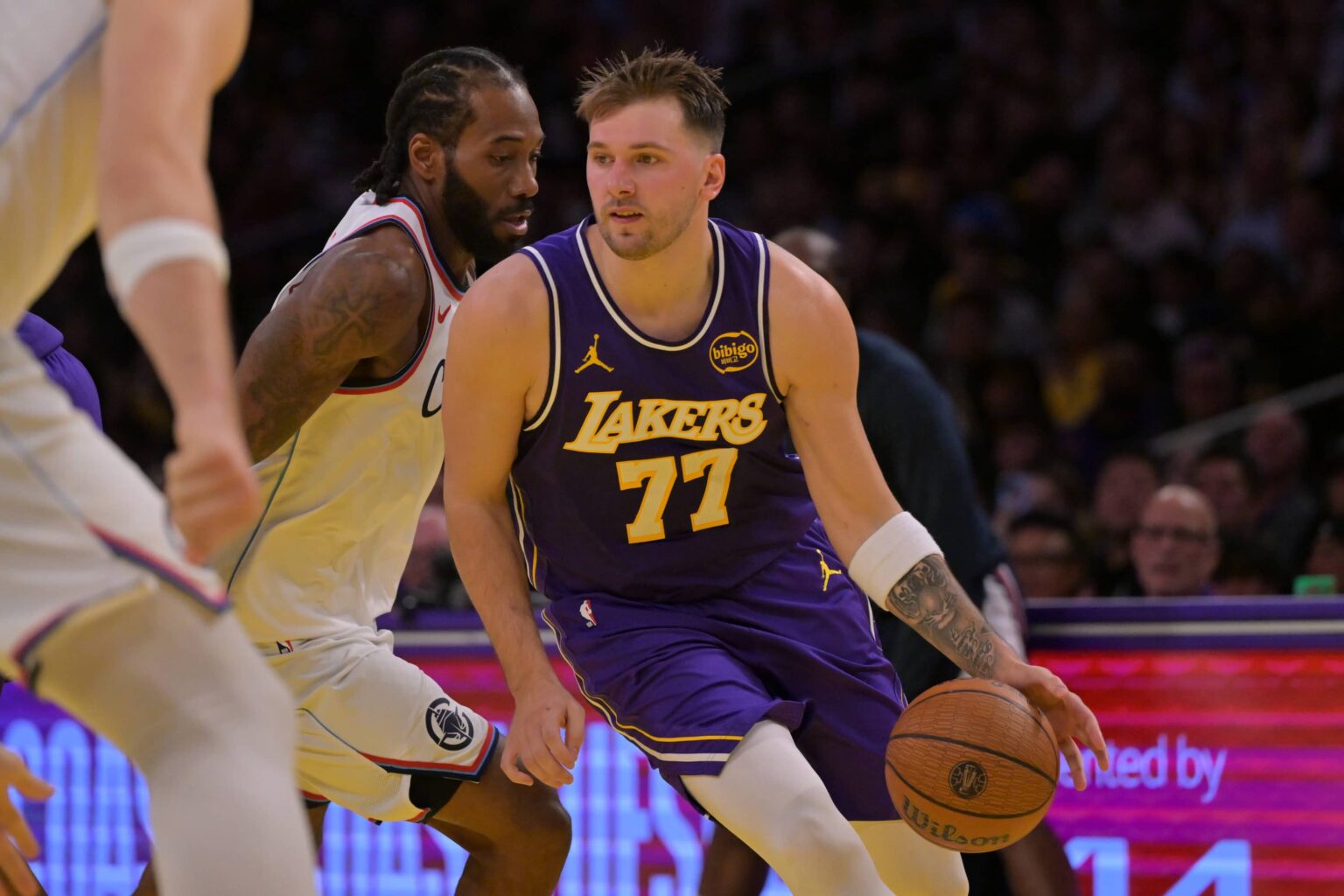
“2018, they drafted Marvin Bagley, number two. The next pick, Luka Doncic.”
“And the two good picks they did make, Fox and Haliburton, they ended up trading Haliburton for Sabonis. And then they ended up trading De’Aaron Fox, who both have been All Stars. Haliburton, before getting hurt, had taken his team to the Finals.”
“So when they do actually draft good players, they don’t keep them.”
That, in a nutshell, is the Sacramento Kings experience.
This is a franchise that has not won a championship since 1951 and has spent the better part of two decades wandering through irrelevance. The early 2000s Chris Webber era was the last time Sacramento truly mattered. Since then, the draft has been less a lifeline and more a landmine.
In 2011, they passed on Klay Thompson (11th pick) and Kawhi Leonard (15th pick) by picking Jimmer Fredette with the 10th pick. Thompson became a four-time champion and one of the greatest shooters ever. Kawhi became a two-time Finals MVP and arguably the best two-way wing of his generation.
In 2012, they missed Damian Lillard (6th pick). Lillard went on to become a perennial All-Star and one of the most clutch scorers of the era. Sacramento instead chose Thomas Robinson with the 5th pick, who lasted half a season before being traded.
Finally, in 2018, Sacramento chose Marvin Bagley III at No. 2 instead of Luka Doncic (3rd pick), a move that fundamentally altered the trajectory of two franchises in opposite directions.
Doncic has been an MVP candidate almost every year of his career, carrying franchises deep into the playoffs. Bagley struggled with injuries and inconsistency before being moved. That decision alone altered the direction of two organizations.
What makes the situation worse is that when the Kings actually made the right selections, they failed to build around them. De’Aaron Fox developed into an All-Star-level guard and was viewed for years as the face of the franchise, yet he was eventually traded to the Spurs.
Tyrese Haliburton looked like a foundational piece and blossomed into one of the league’s premier young playmakers, even leading the Pacers to the Finals before injury cut that run short, but Sacramento dealt him for Domantas Sabonis.
Sabonis delivered early success alongside Fox, particularly during the 2022-23 season when the Kings finished third in the Western Conference with a 48-24 record and appeared to have finally turned a corner, yet that momentum has completely evaporated.
The Kings now sit at 12-44 with the worst record in the NBA and a 14-game losing streak, a collapse that feels shocking considering the names on the roster.
Sabonis remains one of the most productive big men in the league, Zach LaVine and DeMar DeRozan are proven scorers, Russell Westbrook brings veteran intensity, and Keegan Murray continues to show promise as a young forward.
On paper, that should not translate to the worst team in basketball, but the pieces simply do not fit together. There is redundancy in skill sets, defensive inconsistency, and no clear identity that ties the roster into a cohesive unit.
Barnes’ frustration is not just about missing Luka Doncic, Kawhi Leonard, Damian Lillard, or Klay Thompson. It is about a pattern of instability and short-term thinking that has defined the organization for years.
Three seasons ago, the Kings were celebrated as a feel-good story and a model of offensive innovation, but that progress has not been sustained. Instead of building on that foundation, the roster has shifted again, and the team finds itself back at the bottom of the standings.
When Barnes says that even the good picks do not stay in Sacramento, he is highlighting the deeper issue, which is a lack of long-term vision and continuity at every level of decision-making.
The draft mistakes are easy to list, and the what-if scenarios are endless, but the true problem is organizational consistency.
Until Sacramento commits to a clear plan and resists the urge to reset whenever adversity hits, the ghosts of Luka, Kawhi, Lillard, and Klay will continue to loom over the franchise, serving as reminders of what could have been and what still is not.