Some All-Star selections age like trophies. Others age like trivia questions.
Every February, the league sells the weekend as a clean snapshot of who played the best that season. But the All-Star Game has always had its loopholes. Fan voting can get weird. Injuries open replacement spots. A team gets hot and suddenly needs “a representative.” A role player has the perfect mix of winning context, narrative momentum, and timing.
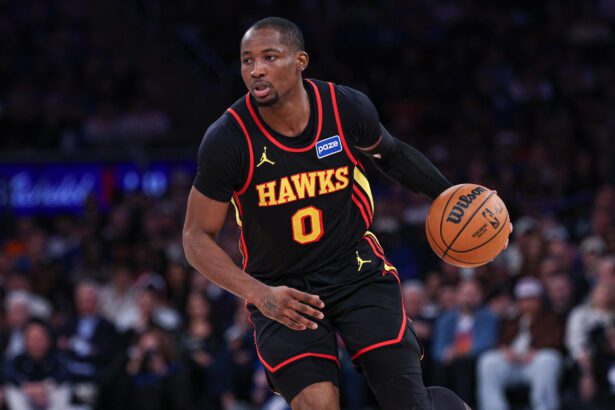
That’s how you end up with seasons like 2014-15, when Kyle Korver made the East squad even though he was barely above 12 points per game. Korver wasn’t a star in the traditional sense, but he was the league’s cleanest floor-spacer on a Hawks team that won with five-man synergy and elite shot quality.
And sometimes the chaos almost breaks the whole thing. In 2017, Zaza Pachulia came dangerously close to starting for the Warriors because fans piled on votes, a reminder that the process isn’t always a meritocracy.
But the truly wild part is this: there are picks even stranger than Korver, and stories even more random than the Zaza near-miss. These are the six All-Stars who made it, got the photo, and somehow disappeared from the collective memory anyway.
1. Doc Rivers
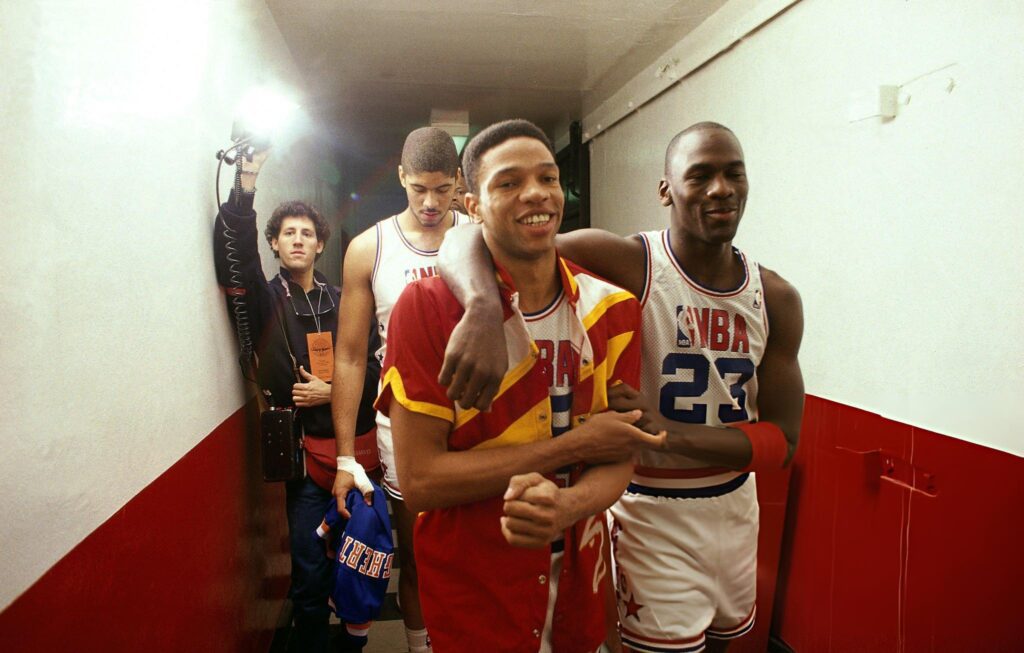
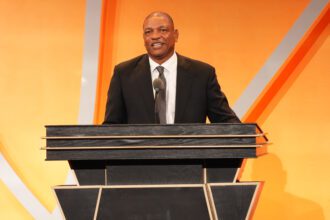
Doc Rivers making an All-Star team in 1988 is one of those “wait, really?” moments, mostly because the name now lives in a different lane. But as a player, Rivers had one season where the case was legitimate, even if it didn’t come with superstar scoring.
That season was 1987-88 with the Hawks, when they were 50-32 and finished fourth in the East. Winning mattered more for selections back then, and the Hawks were a real contender-tier team most of the year, sitting 30-15 at the break. Dominique Wilkins was the obvious headliner, but the second All-Star slot was basically a “who’s driving the bus next to him?” question.
Rivers’ answer was control. He averaged 14.2 points, 4.6 rebounds, and 9.3 assists, plus 1.8 steals in 31.3 minutes per game. That’s not a volume stat line, but it’s a lead-guard stat line, especially in an era where pace and scoring looked different and where a point guard’s value was often framed around organization and two-way impact.
The Hawks didn’t need him to be a 22-point guy because Wilkins was putting up 30.7 a night. They needed Rivers to feed the star, keep the turnovers low, and defend at the point of attack.
His All-Star Game box score was quietly solid too: 9 points and 6 assists in 16 minutes. It wasn’t a “remember me” performance, but that’s part of why he fits this list. Rivers’ All-Star case wasn’t built on highlight plays or a scoring spike. It was built on the Hawks being good and him being the stabilizer next to a true megastar.
That’s also why people forget it. When a player’s legacy becomes coaching, the memory of a single All-Star nod as a pass-first guard tends to fade fast, even if the season itself was pretty decent.
2. Jameer Nelson
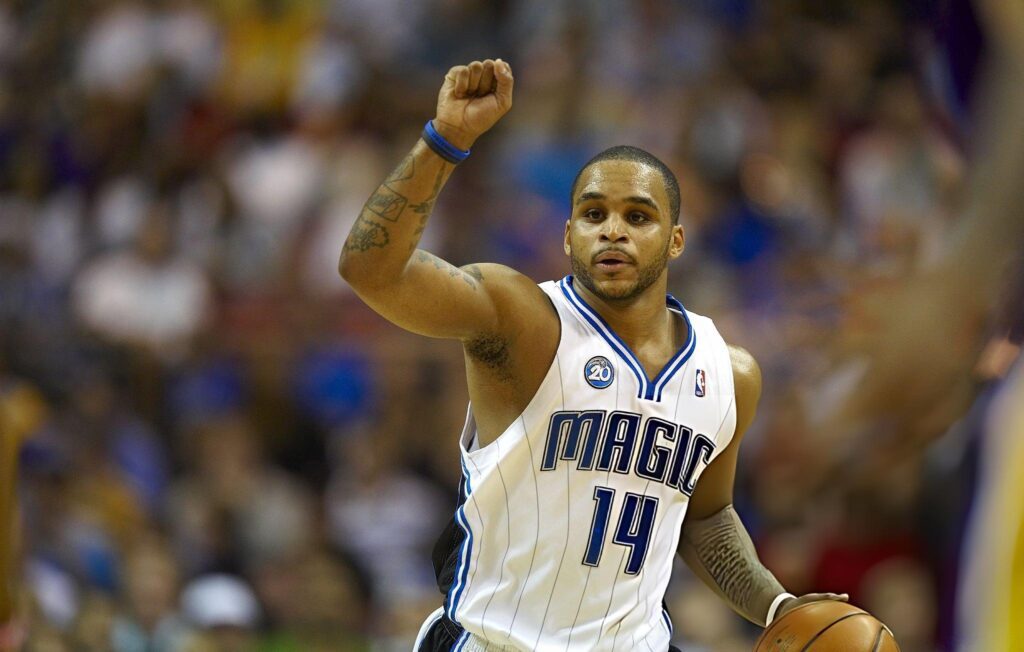
Jameer Nelson’s All-Star season is the rare “forgotten” one in 2009, because it ended right when it was getting real. He didn’t make it as a lifetime achievement pick or a fan-vote gimmick. He made it because the Magic were winning at an elite level, and he was driving the engine.
At the break point of the 2008-09 season, the Magic were 33-8 after 41 games, sitting among the league’s top records. Coaches used to reward lead guards on teams that were actually stacking wins, especially when the offense was built around pace, threes, and efficient pick-and-roll.
Nelson’s numbers were stronger than people remember, too. He played 42 games that season and averaged 16.7 points, 5.4 assists, and 3.5 rebounds in 31.2 minutes. And the shooting pop was real: he hit 45.3% from the field and an absurd 45.0% from three. For context, that’s not “solid for a point guard.” That’s elite efficiency, especially in 2008-09, when volume three-point shooting still wasn’t what it is now.
So why does nobody remember it? Because the timing erased it. On February 2, he dislocated his right shoulder and was later diagnosed with a torn labrum that required surgery, basically wiping out the rest of his season. The All-Star nod stayed on his résumé, but he never got the All-Star moment. He didn’t get the weekend. He didn’t get the “wow, this guy belongs here” sequence on national TV.
And then the replacement chain made it even easier to forget. Nelson was injured, so Ray Allen took his spot on the East roster. That’s a Hall of Fame name replacing him, which naturally pushes Nelson’s story further into the background.
But the actual selection was earned. He was the lead guard on a top-tier Magic team and playing the best basketball of his career when the injury hit. The All-Star label stuck, the season didn’t.
3. Mo Williams
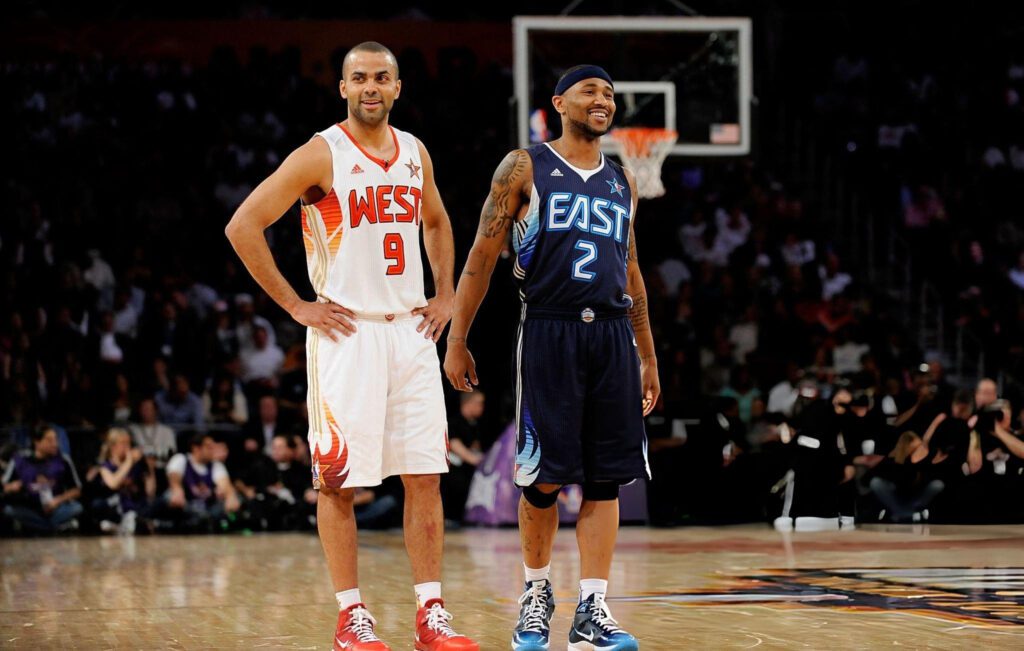
Mo Williams’ 2009 year is the perfect “All-Star that feels like a glitch” because his selection wasn’t clean. It wasn’t fans. It wasn’t the coaches. It was a commissioner move, after a mini drama cycle that’s basically impossible to explain without people thinking you’re making it up.
Start with the reality: the Cavaliers were a juggernaut. They finished 66-16 and had the league’s best defense. LeBron James was the obvious All-Star, but the team’s second-best offensive piece mattered, and Williams played that role exactly the way a contender needs.
In 2008-09, Williams averaged 17.8 points, 4.1 assists, and 3.4 rebounds in 81 games, while shooting 46.7% from the field, 43.6% from three, and 91.2% at the line. That’s borderline-perfect efficiency for a guard who mostly played next to a heliocentric star, spacing the floor, running secondary pick-and-roll, and punishing teams for loading up on James.
But he still got snubbed at first. He wasn’t voted in by fans, wasn’t picked by coaches as a reserve, and then got passed over again when the league needed an injury replacement for Nelson. The Cavaliers complained publicly about it, with LeBron calling it “a total smack in the face.”
Then the door opened again. Chris Bosh had to miss the All-Star Game with a knee injury, and commissioner David Stern finally added Williams as the replacement. So yes, Mo made it, but through the weirdest possible path: injury chain, politics, and a late correction.
That’s why people forget it. There’s no iconic All-Star memory attached to him, and his selection doesn’t fit the usual pattern. But the season itself was legit. The Cavaliers were an elite team, Williams’ shooting was a major reason their offense had space, and the numbers hold up even now.
4. Josh Howard
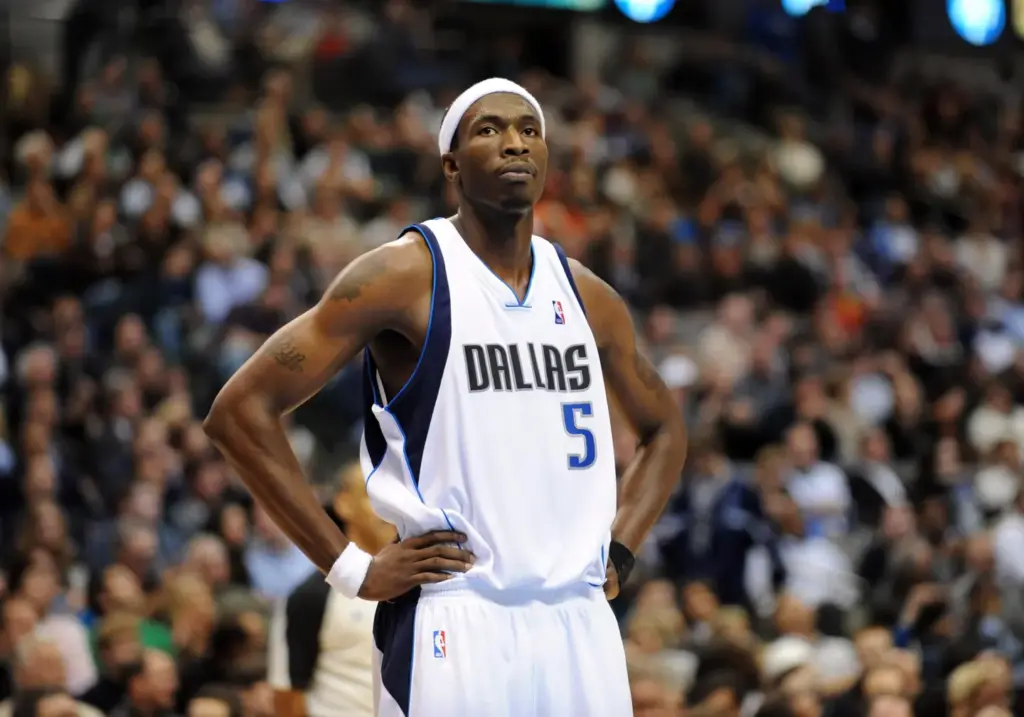
Josh Howard is a perfect entry for this list because his 2007 All-Star tag reads bigger than his actual profile. He was a good starting wing on an elite team. He was not a star in the way people usually mean it.
The context did most of the heavy lifting. The Mavericks went 67-15 in 2006-07, the best record in the league, and basically lived in cruise control for months. Howard was their clear No. 2 scorer behind Dirk Nowitzki, and his regular-season line was solid: 18.9 points and 6.8 rebounds per game.
But here’s the part that makes him “nobody remembers.” Howard didn’t even make the roster at first.
He was added later as an injury replacement, after Yao Ming and Carlos Boozer were ruled out, and commissioner David Stern filled the open spots with Howard and Carmelo Anthony. That’s the entire story in one sentence: a strong team needed another representative, the forward pool in the West had openings, and Howard was next in line.
Also, his selection wasn’t driven by some signature skill that stands out in hindsight. He wasn’t an elite shooter. He wasn’t a top-tier creator. He wasn’t a defensive stopper you build a scheme around. He was a straightforward, athletic wing who benefited from playing next to an MVP-level engine on a 67-win machine.
Even the All-Star weekend itself didn’t create a lasting memory. He showed up in Las Vegas, played, and blended into the box score and highlights like most injury replacements do. Then, of course, that Mavericks season ended in the most infamous way possible, which didn’t exactly help anyone’s individual shine stick in people’s brains.
Howard’s All-Star nod is real. It’s just the kind of real that only makes sense when you remember how many wins the Mavericks had and how the injury chain opened the door.
5. Jeff Teague
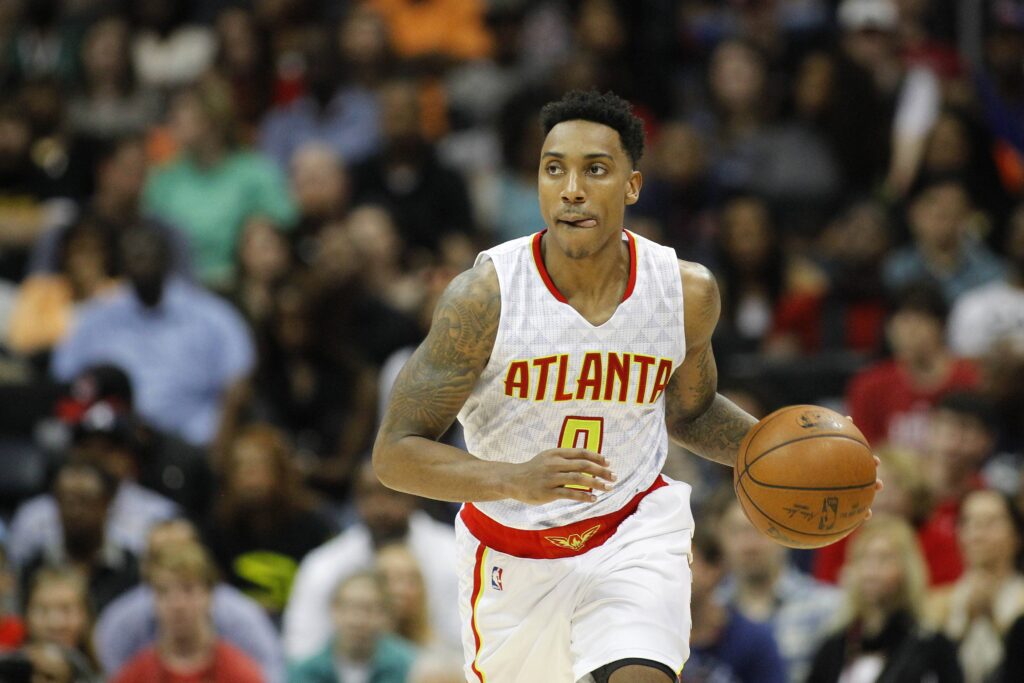
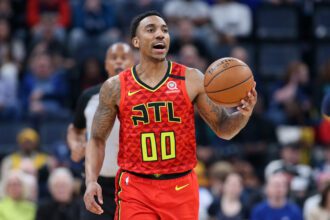
Jeff Teague making the 2015 All-Star Game is one of those selections that sounds more impressive than it was. He wasn’t bad at all. But he also wasn’t playing like a top-tier guard that season. The pick was more about the Hawks being great than Teague being the Brunson-type leader.
That Hawks team won 60 games and finished with the East’s best record. They had a system identity, they moved the ball, they defended, and they piled up wins without a traditional superstar scorer. And when a team plays like that, coaches tend to reward it with multiple All-Stars.
Teague got in as a coaches’ reserve, alongside Al Horford, Kyle Korver, and Paul Millsap. The numbers were fine, not loud: 15.9 points, 7.0 assists, and 2.5 rebounds in 73 games. His efficiency was respectable (46.0% from the field), but he was not some sniper bending defenses either (34.3% from three).
And that’s the “forgotten All-Star” angle. Teague wasn’t the face of the team. He wasn’t the league’s best at anything. He was the lead guard on a winning group that spread credit across five starters. When the Hawks got their famous January run and national buzz, the All-Star math started to lean toward “they need more than one guy.” Teague benefited from that wave.
Even the All-Star Game didn’t help his case in the memory department. He played 13 minutes, scored 6 points, and had 2 assists. Nothing iconic, nothing that lives in highlight packages.
So yeah, Teague was an All-Star. But it’s the kind of selection that only makes sense when you zoom out: the Hawks were a 60-win machine, the East guard pool wasn’t stacked at the very top, and coaches rewarded the team more than the individual.
6. Jamaal Magloire
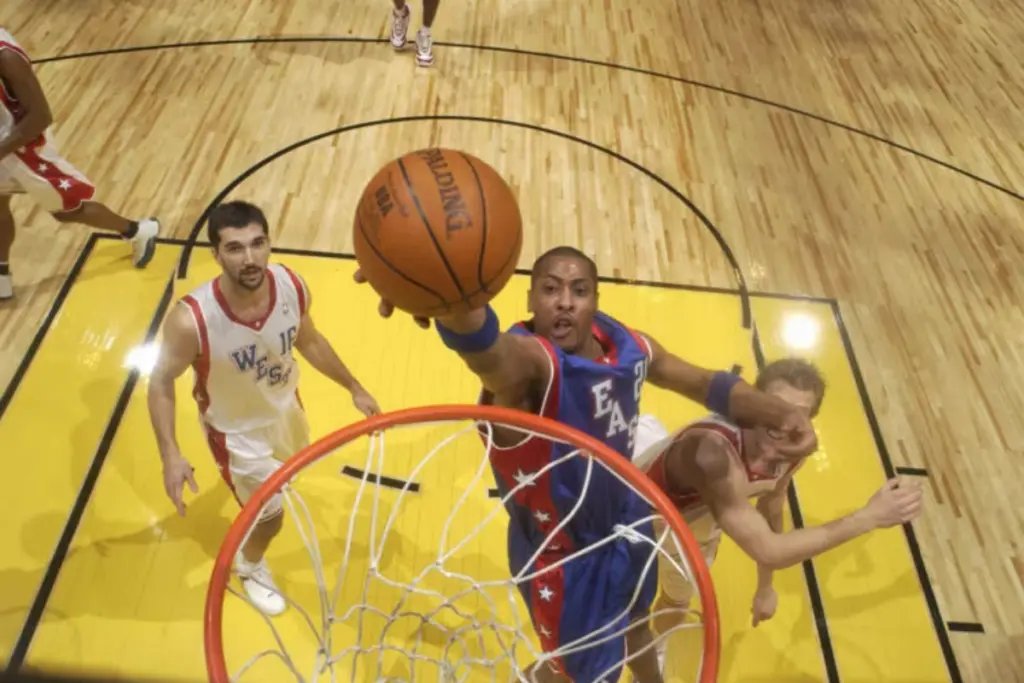
Jamaal Magloire is the ultimate “how did that happen?” All-Star in 2004, because the resume doesn’t scream it. He wasn’t a franchise guy. He wasn’t a dominant scorer. He wasn’t even a clear top-five center in the league. He was a solid, physical starting big who landed in the perfect storm of timing, position scarcity, and team context.
The raw numbers that season were decent but not star-level: 13.6 points, 10.3 rebounds, and 1.2 blocks in 82 games. That’s a good double-double, but it’s also the kind of line we’ve seen from plenty of “fine starter” centers who never sniffed an All-Star nod.
So why did it happen?
Two reasons. First, the Hornets were good early and were sitting at 28-24 at the break, which put them in the mix in a weak East and made them feel like a “multiple All-Stars” team in the moment. Second, the center position was thin league-wide at the time, and Magloire benefited from that shortage more than almost anyone.
When a position pool is shallow, coaches start rewarding reliability, durability, and “we need a big body on the roster” as much as actual stardom, as he got the nod over a 20.9 points, 5.9 assists, and 5.5 rebounds rookie LeBron James.
The funniest part is that his All-Star Game itself was better than his season. Magloire led the East in scoring with 19 points and added eight rebounds in about 21 minutes. That single box score probably convinces more people he belonged than the full season does.
But that’s exactly why he fits this list. Magloire’s selection is a snapshot of how messy All-Star history can be. It’s not always about being great. Sometimes it’s about being available, being a center in the right year, and being on a team that looked bigger than its talent for a few months.