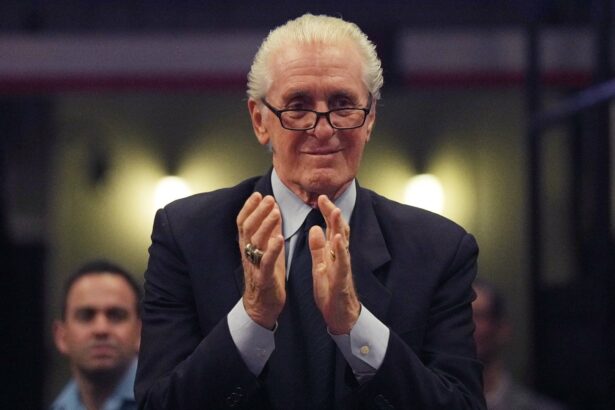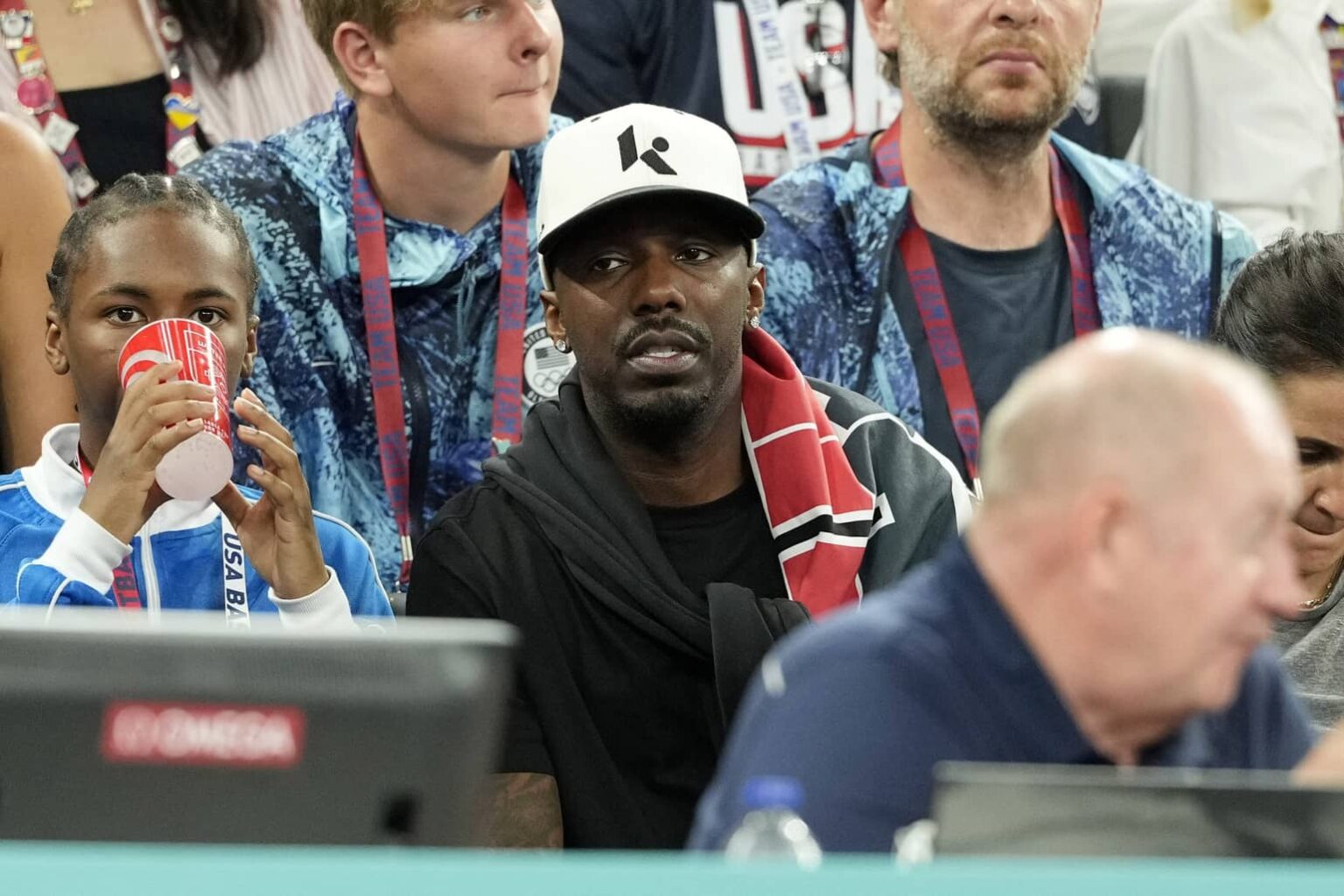
Rich Paul is not wrong. He is just saying out loud what a lot of people inside the NBA media have been muttering for the last few years.
On the Game Over podcast, Rich Paul laid out a simple idea with big implications. Once Elon Musk turned verification on Twitter into a paid feature, Paul believes the NBA should have immediately stepped in and created its own verification system for real journalists and credible voices. Not to control coverage, but to protect credibility.
Rich Paul: “Verification. Yeah, well, that helped the self-esteem of the person, the consumer.”
Max Kellerman: “Because it became prestigious to have a blue check.”
Rich Paul: “Yes, but it hurt the credibility.”
Max Kellerman: “Of course. It defeats, it undermines the purpose of that. It’s idiotic. You have to be such an idiot not to see that what Elon was doing was completely taking away the idea of verification and turning it into a status symbol.”
Rich Paul: “But at that very moment, the leagues, because at that very moment, the league should have been able to carve out something different for platforms and journalists to say, OK, yes, he’s doing that, but this is an NBA-verified reporter.”
Max Kellerman: “I love that. Rich, that’s so good, because first of all, the leagues should love this because it actually gives them a little more control over the media. They would be thinking they’re going to have to play nice with us or at least implicitly, or at least behave responsibly.”
“The leagues could abuse that power and say, ‘Oh, we’re only going to give verification to people who treat us well.’ But if they do that responsibly and you figure out how to put safeguards in so they can’t just use it to control the media, then as long as you behave responsibly, you can be verified by the league. Amazing. It does give the league better control of the media, which they like, even if the consumer might not love that part.”
“But it also means that when you see this is coming from a verified NBA account, you know it’s not going to be BS. They’re going to have the real info.”
Rich Paul: “Now, that doesn’t mean that account has to say everything to your liking. It just can’t be so outlandish where there’s no truth to it at all or no substance to it at all, because there are some fancy basketball situations you have to play, hypotheticals. Obviously, I’ve been down that road.”
Max Kellerman: “But how do you put safeguards in to make sure the league doesn’t just hand it out to those who will cover them favorably?”
Rich Paul: “Well, I don’t get paid the big bucks for that. That’s for them to get paid the big bucks for. I think it’s more helpful than hurtful.”
Max Kellerman: “The consumer will know, OK, if that’s a verified account, that there may be some pressure not to cover the league unfavorably. That’s always been the case with all quote-unquote legitimate media through the years, right? They get press passes. They have a certain relationship with the league. But the main thing is the consumer will know they’re not getting bullshit from this. They’re getting responsible journalism.”
Since Elon Musk bought Twitter in October 2022 and opened up paid verification, NBA discourse has been flooded with fake insiders, aggregator accounts pretending to be reporters, and viral posts built entirely on vibes and guesswork. The problem is not just that these posts are wrong. It is that they often sound right. The logic checks out, timing makes sense, and the quotes look believable. Until they are not.
Even established figures have been fooled.
Stephen A. Smith amplified a fake NBA Central post on national television. Kevin Durant publicly called him out for it. Draymond Green fell for a fake Kevin Garnett quote that was never real. These are not casual fans scrolling at midnight. These are people inside the ecosystem.
For journalists, this is exhausting.
Real reporting requires verification. Multiple sources, context, understanding cap mechanics, league politics, and timing. Trade rumors do not just appear out of thin air. They are vetted, cross-checked, and often held back because one missing detail can change everything. Meanwhile, accounts with a million followers and a blue check post baseless claims with zero sourcing, no links, and no accountability. And because they look official, the damage spreads instantly.
Paul is not arguing for censorship. He even acknowledged that verified accounts would not need to say things the league likes. They just cannot be completely outlandish with no substance at all. Hypotheticals are fine. Speculation is part of the job. Fabrication is not.
The key point is that the consumer wins. Fans deserve to know when information is real, vetted journalism versus engagement farming. Right now, everything looks the same on the timeline. That is the problem.
An NBA-verified media platform or designation would not fix everything overnight. But it would be a massive step toward restoring trust in an ecosystem that badly needs it. And for once, this is an idea that helps journalists, fans, and the league at the same time.