The Philadelphia 76ers just needed discipline and execution to earn a win, and that’s what happened. Against a Minnesota Timberwolves team that struggled to find rhythm despite their desire to climb the Western Conference before the playoffs, Philadelphia leaned into its defensive identity and controlled the game where it mattered most, securing a 115-103 victory.
Minnesota generated volume, but not quality. The Timberwolves attempted 101 shots, 19 more than the Sixers, yet still lost by double digits. That alone tells the story: inefficiency, missed opportunities, and an inability to convert pressure into points.
1. Timberwolves’ Inefficiency Undermined Everything
Minnesota didn’t lack chances – they lacked results. Shooting just 37.6% from the field (38-101), the Timberwolves consistently settled for difficult looks and failed to capitalize on second-chance opportunities.
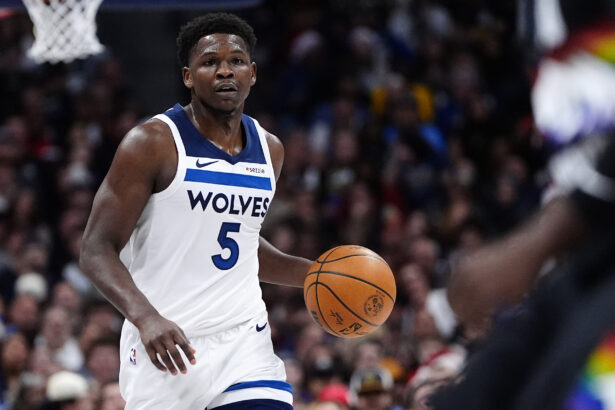
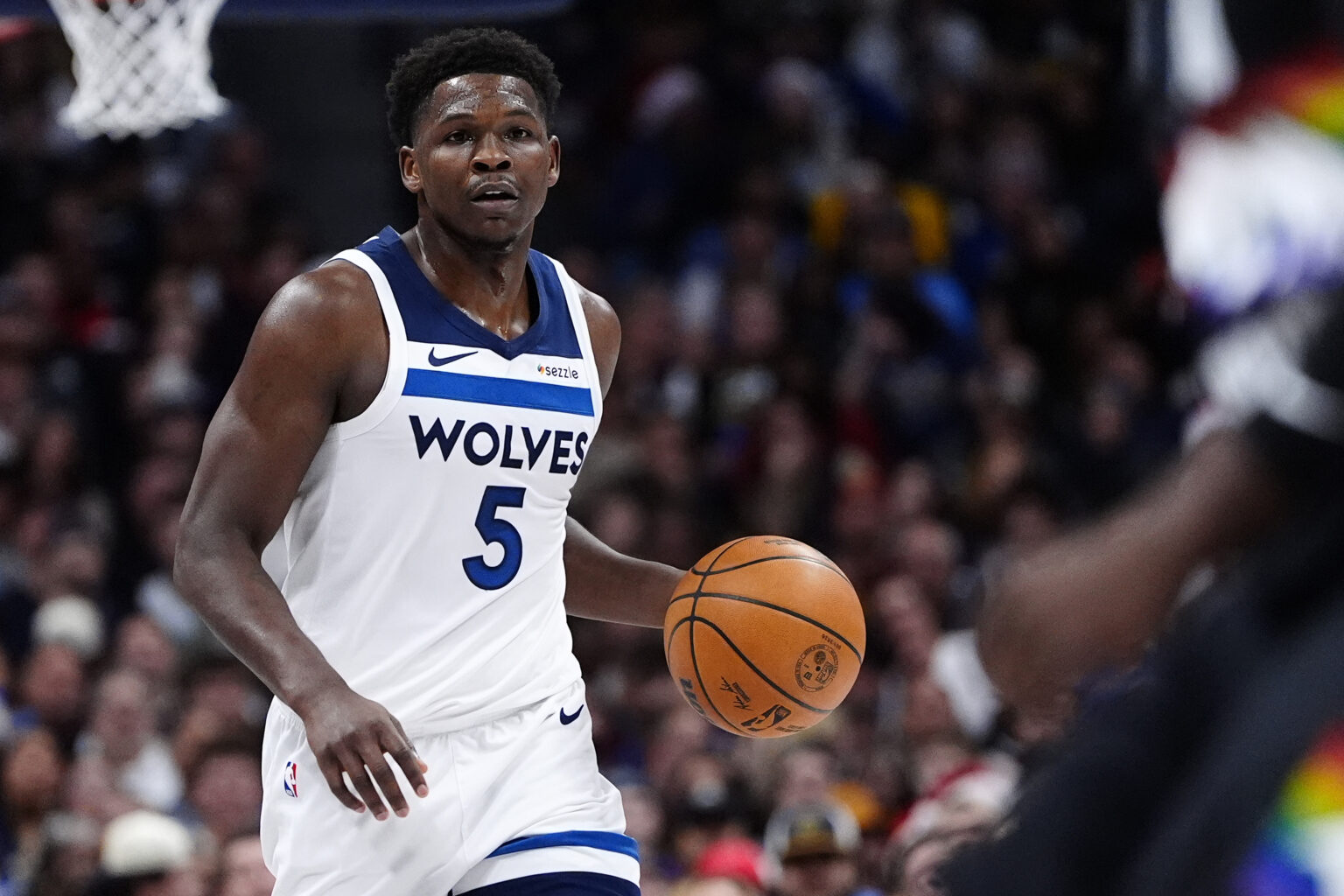
Anthony Edwards had one of his roughest outings, finishing with just 8 points on 3-15 shooting and going 0-7 from three. Despite remaining active defensively, his offensive struggles set the tone for a team that never found consistency.
Even when Minnesota created extra possessions, grabbing 13 offensive rebounds, they couldn’t convert. Missed putbacks, rushed perimeter attempts, and poor shot selection turned what could have been a competitive edge into empty production.
2. Joel Embiid Anchored The Game On Both Ends
Joel Embiid didn’t dominate with efficiency, but he controlled the game with presence. He finished with 19 points, 13 rebounds, and 7 assists, serving as the central hub offensively while protecting the rim defensively.
Philadelphia recorded 12 blocks as a team, with Embiid playing a major role in altering shots and deterring drives. Minnesota managed just 40 points in the paint despite their size advantage, a direct reflection of Embiid’s interior impact.
His ability to facilitate also stood out. With seven assists, he punished double teams and found open shooters, helping the Sixers maintain offensive flow even when his shot wasn’t falling consistently.
3. Balanced Scoring Gave Philadelphia Control
This wasn’t a one-player takeover – it was layered production across the roster. Tyrese Maxey led with 21 points and 8 assists, consistently breaking down the defense and pushing the pace.
Paul George added 23 points, 6 rebounds, and 6 assists, contributing across the board despite six turnovers. His ability to create offense in multiple ways helped stabilize the team during key stretches.
Off the bench, Kelly Oubre Jr. delivered a crucial 21 points on 8-12 shooting, providing efficient scoring that Minnesota simply couldn’t match from its second unit. Four Sixers scored at least 19 points – that kind of balance is difficult to defend.
4. Free Throw Disparity Created Separation
Philadelphia’s ability to get to the line created a quiet but decisive advantage. The Sixers went 24-28 from the free-throw line (85.7%), while Minnesota finished just 13-20 (65.0%).
That’s an 11-point gap at the stripe in a 12-point game – effectively the difference. Paul George and Tyrese Maxey consistently attacked downhill, forcing fouls and converting efficiently.
Meanwhile, Julius Randle struggled at the line, going just 2-6 despite an otherwise strong 21-point outing. In games where shooting is inconsistent, free throws become critical, and Philadelphia capitalized.
5. Defensive Discipline Sealed The Outcome
The 76ers may only have 7 steals, but they managed to control the pace of the game. Defensive contests, solid rim defense, and disciplined rotations all held the T-Wolves to low-quality shot attempts.
Dominick Barlow added 3 blocks and 10 rebounds, contributing to the 76ers’ tremendous interior defense. With the ever-present Embiid, the Sixers’ defense made everything inside the paint a constant struggle.
Even though Minnesota wanted to push the tempo, they only managed to score 18 points in transition. Philadelphia held the pace and focus to make sure the game never slipped from them.