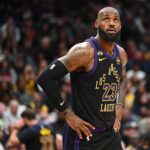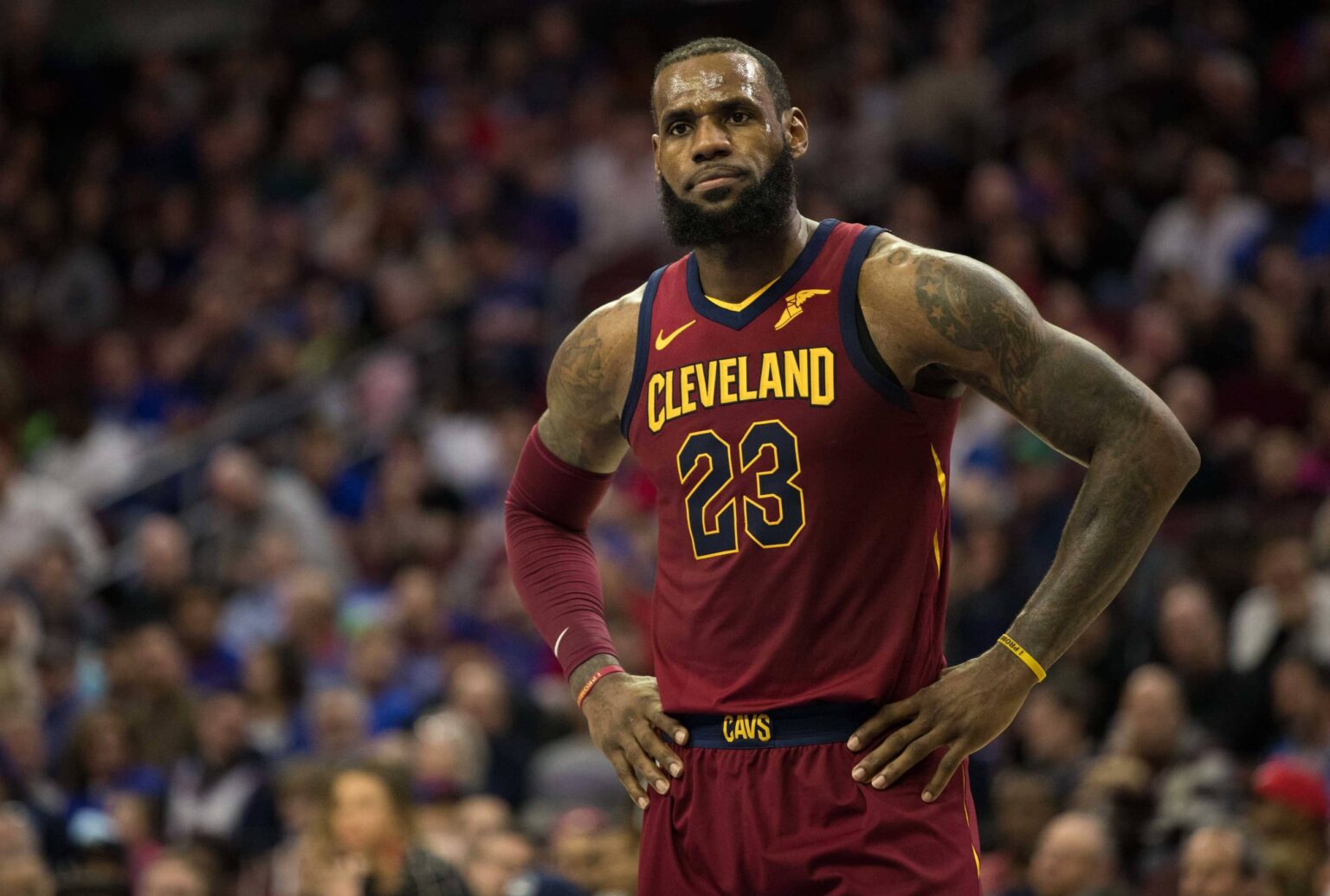
Rich Paul has never been one to exaggerate LeBron James’ impact for effect, but his recent comments on the Game Over podcast captured something that box scores and banners never could. According to Paul, LeBron James did not just transform the Cleveland Cavaliers. He transformed Cleveland itself.
“I always say it’s one thing to change the basketball team. It’s a whole other thing to change the economy. You know, the economy changed. Let me tell you something, going to the playoffs every year, restaurants, hotels, parking lots, valet attendants, all of it.”
“You know, all these different things changed. We had Warren Buffett there. We had Jay Z there. We had Lil Wayne there. We had, I mean, everyone came to Cleveland. Cleveland became like the Hollywood of the Midwest because of LeBron. It really did.”
“And people would fly in, and by it being so close to New York, you could get there and get out. But also, again, just seeing the restaurant owners and the success that they had throughout the years.”
The franchise valuation tells an even clearer story. Before LeBron returned in 2014, the Cavaliers were valued at approximately $515 million. Within a year of his homecoming, that figure crossed the $1 billion mark. That kind of jump is almost unheard of in professional sports without a new arena or ownership change. When LeBron left Cleveland in 2010, the Cavs’ valuation dropped sharply, falling below $400 million. When he came back, the value didn’t just recover. It doubled.
Independent economic research backs this up. Studies found that LeBron’s presence increased the number of restaurants and bars within one mile of the arena by roughly 13%. Employment at those establishments rose by more than 23%. Those are not abstract benefits. That is real job creation tied directly to one player’s presence. The effect was strongest near the arena but still measurable several miles out, something rarely seen with sports figures.
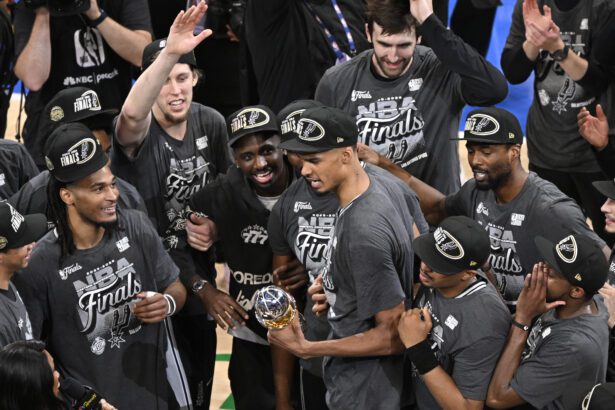
On the court, the success fueled the cycle. From 2014 to 2018, the Cavaliers reached four straight NBA Finals, hosted dozens of playoff games, and delivered the city’s first championship in 2016. That title alone generated millions in merchandise sales, tourism, and local business revenue. Parade attendance was estimated in the hundreds of thousands. For a city long defined by near misses and economic struggle, the moment was transformative.
This context explains why the backlash to LeBron’s departure in 2010 ran deeper than basketball fandom. Cleveland is not Los Angeles or New York. It is a smaller market, and LeBron was not just its best player. He was its economic anchor. When he left, businesses felt it. When he returned, they thrived again.