The Knicks didn’t go into the February 5 deadline acting like a team just trying to “survive the East.” They went in like a contender that understands the regular season is mostly about building a rotation you trust in May. They’re 34-19 and sitting second in the Eastern Conference, which has turned every small weakness into a real talking point because the margin at the top is thin.
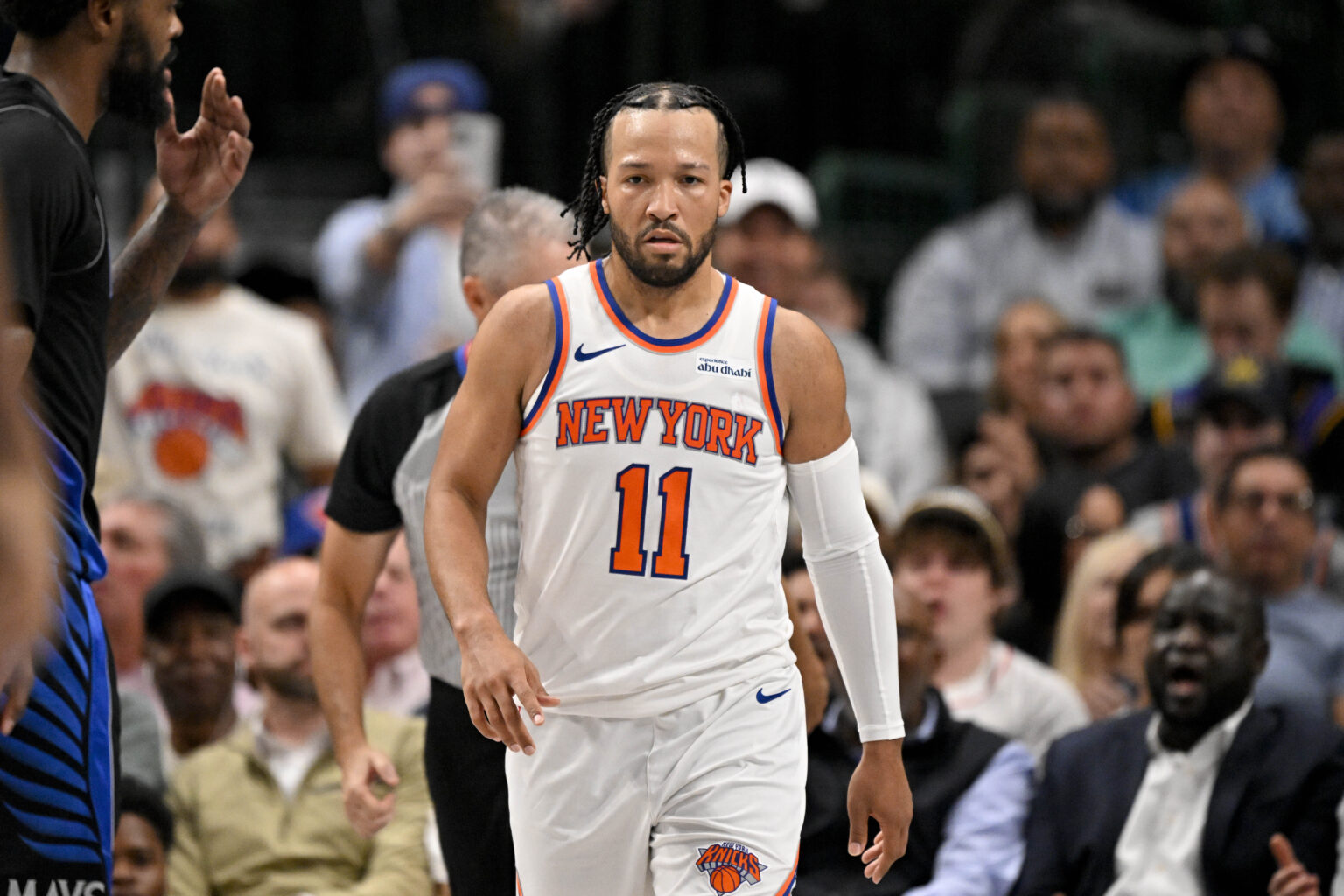
Their actual deadline work was clean and targeted. The Knicks’ main move was adding guard Jose Alvarado, sending out Dalen Terry, two second-round picks, and cash to the Pelicans. Alvarado gives them a different gear behind Jalen Brunson, with real on-ball pressure, quick decision-making, and a willingness to make the game annoying for opposing guards.
The context is important too. Miles McBride underwent surgery, and the uncertainty around his timeline made “find another ballhandler” feel less like a luxury and more like a necessity. The Knicks didn’t chase a headline. They chased an insurance policy that actually fits the role.
Now they hit the buyout window with a strong top-end team, a clearer bench plan, and a roster spot battle that can still be upgraded on the margins. So, here are five great buyout additions the Knicks could explore in the market.
1. Haywood Highsmith
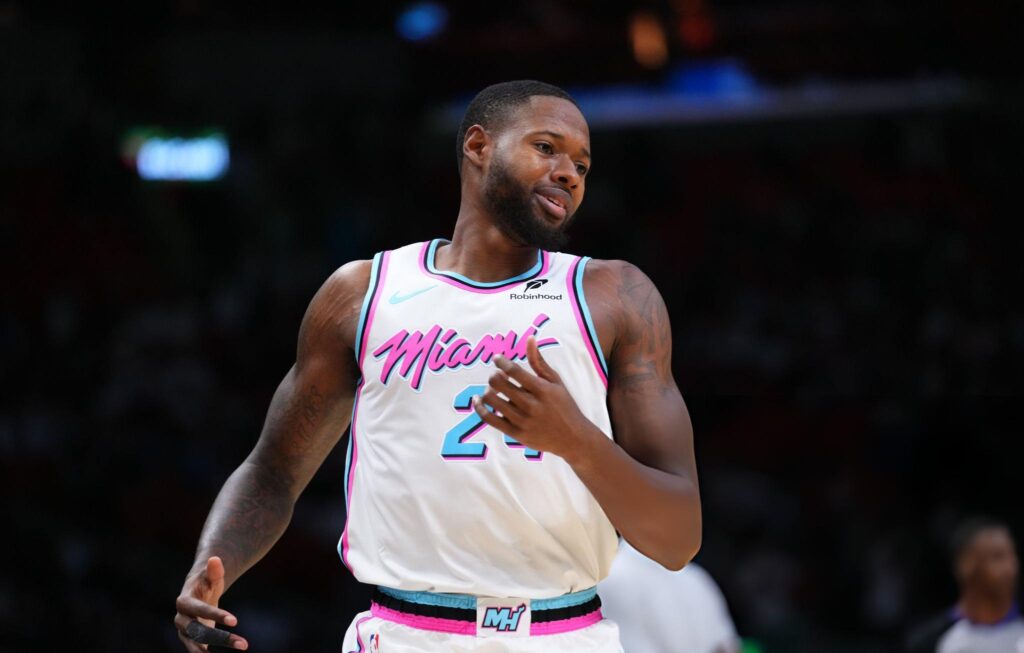
Haywood Highsmith is actually free right now because the Nets waived him at the deadline to open a roster spot as part of the Ochai Agbaji trade chain. He came over from the Heat last offseason and never played a game in Brooklyn, then got cut by the Nets when they needed to get to 15 standard contracts.
The tricky part is the stat context. Highsmith hasn’t been on the floor this season due to offseason knee surgery, so his production is basically a blank slate. That’s why his market is going to be about role clarity, rehab timeline, and how quickly he can ramp, not about what he did in January.
If you’re looking for the best snapshot of what he is when healthy, last season with the Heat is the cleanest reference point: 6.5 points, 3.4 rebounds, 1.5 assists, and 38.2% from three. He’s a low-usage wing who plays like a specialist, and the value is that he can survive defensively in playoff matchups without needing touches.
For the Knicks, the fit is pretty simple. They don’t need another creator. They need wings who defend, hit open threes, and don’t compromise the spacing around Jalen Brunson. Highsmith’s best role is as a plug-in option next to the starters when the Knicks want OG Anunoby and Mikal Bridges to do less chasing, or when they want a bigger look without losing perimeter mobility.
My only hesitation is the timing. If the Knicks are trying to win in May, they can’t carry a “maybe he’s ready” rehab guy unless the medical info is strong. If he’s cleared and moving well, he’s the kind of boring add that ends up mattering in a second-round series.
2. Khris Middleton
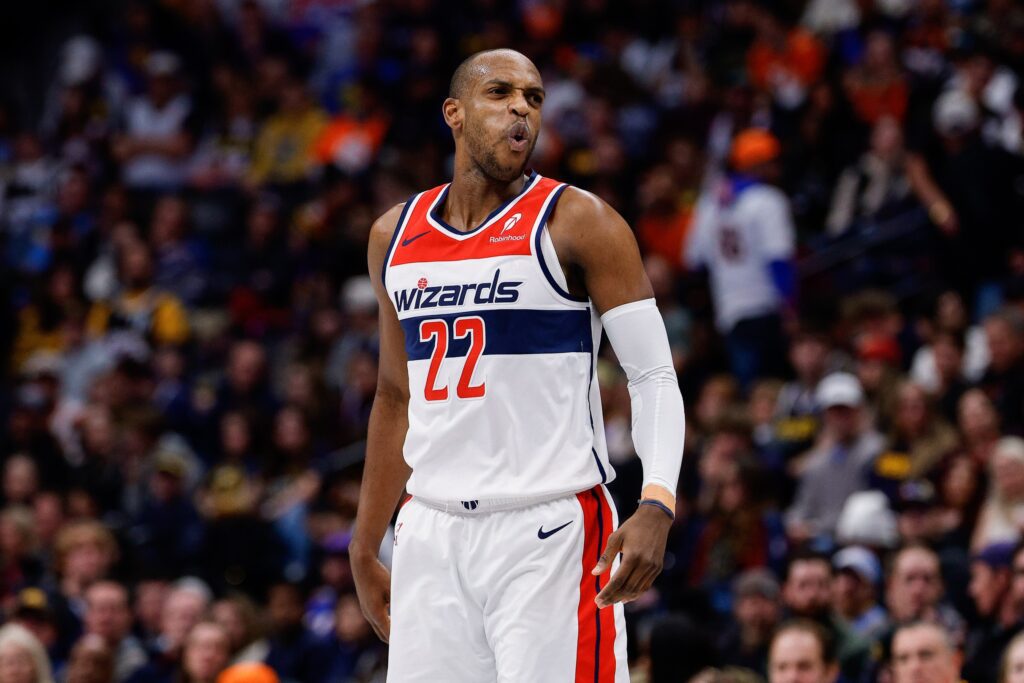
Khris Middleton is the name everyone throws around because it sounds like an instant contender cheat code. But two things matter here.
First, Middleton is not a free agent, right now, at least. He was traded from the Wizards to the Mavericks in the Anthony Davis blockbuster, and while some reports have indicated there’s no immediate plan to waive him, the likely scenario is that he hits the open market in March.
Second, even if he did reach the buyout market, the Knicks have a real rules problem. They’re operating right up against the second-apron restrictions, and that’s exactly the zone where teams get blocked from adding a bought-out player whose pre-buyout salary was above the non-taxpayer mid-level exception (around $14.1 million).
Middleton’s $33.3 million salary is far above that line. In other words, the Knicks can talk themselves into the basketball fit, but the CBA can still say “no.”
On the floor, Middleton’s 2025-26 line is modest: 10.3 points, 3.9 rebounds, 3.3 assists, with 43.3% from the field, 33.3% from three, and 84.1% at the line. That’s not prime Middleton, but it’s still a smart wing who can pass, shoot, and play in structured playoff possessions.
If the Knicks were allowed to sign him, I’d love the fit as a secondary shot-maker who can punish switches and let Brunson breathe. He would also give the Knicks a real “close the game with five shooters and two creators” option without asking Bridges to do too much off the bounce.
But unless the cap situation changes or the reporting shifts hard, Middleton is closer to a fun idea than an actual Knicks pathway.
3. Dario Saric
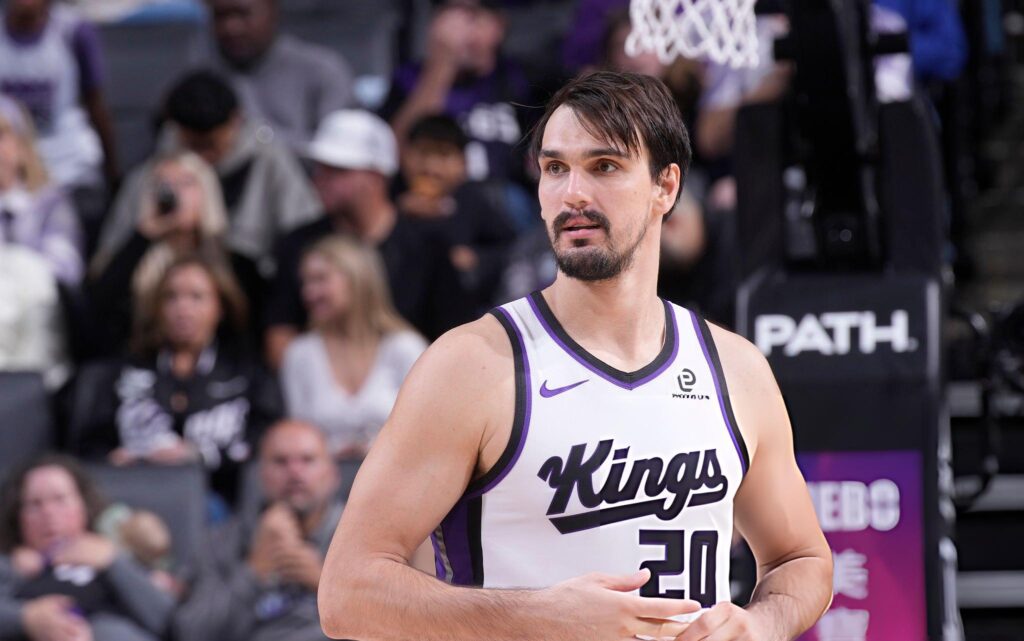
Dario Saric is the cleanest “actually available big” on the list. He was traded from Sacramento to Detroit and then waived almost immediately by the Pistons to clear a roster spot, which puts him directly into the buyout pool.
The season stats are ugly because the sample is tiny. Saric has played five games and is at 1.0 points, 1.2 rebounds, 0.4 assists in 8.2 minutes, with 16.7% shooting and 33.3% from three. That looks like “washed,” but it’s really “never played,” which is a different evaluation.
So the Knicks case is not about what Saric did this season. It’s about what he represents as a specific type: a stretch big who can keep the ball moving, make the extra pass, and give you a different look when the offense bogs down.
The Knicks already have Karl-Anthony Towns as their spacer at the five, so Saric isn’t a “solve the spacing” guy. He’s more of a rotation stabilizer if the Knicks want a second-unit big who can operate as a hub for handoffs, short-roll passing, and quick swing-swing possessions.
Defensively, Saric is always the concern. He’s not saving you at the rim, and playoff teams will hunt him in space. That’s why his best use is matchup-based minutes: a few stints where the Knicks want more shooting at the five without pushing Towns into extra wear.
If the Knicks can get him and keep the role tight, I’d do it. Not because it’s sexy, but because it gives them a chess piece for very specific series problems.
4. Cole Anthony
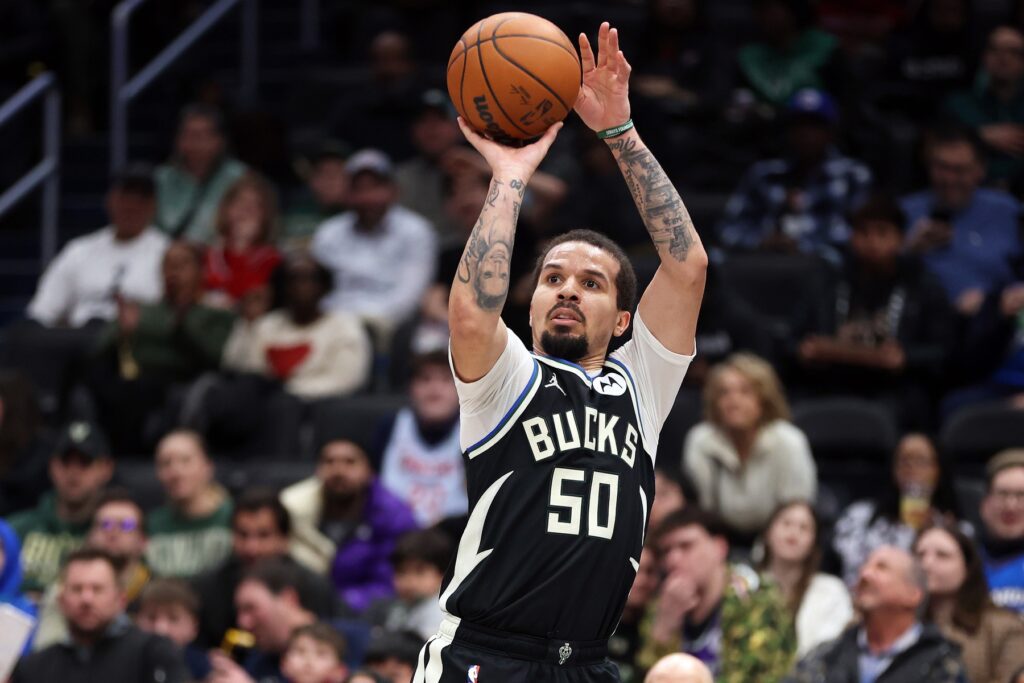
Cole Anthony is the messy one because his “free agent” status depends on the Suns actually waiving him.
Right now, the reporting points strongly in that direction. John Gambadoro of Arizona Sports 98.7 connected the dots: roster math, silence around his arrival, and the Suns’ need to open flexibility. Gambadoro specifically expects the Suns to waive him.
Anthony’s 2025-26 season line is clear: 6.7 points, 2.5 rebounds, 3.5 assists, shooting 42.4% from the field and 30.6% from three across 35 games with the Bucks. That’s a career-low level of impact, but the assist number still matters because it signals he can run a unit without it turning into chaos.
For the Knicks, the pitch is simple: another ballhandler behind Brunson. Jose Alvarado helps, but he’s more of a tempo-and-pressure guard than a “settle the offense and get you a clean shot” guy. Anthony can get downhill, draw help, and generate rim pressure that second units sometimes lack.
The problem is the shooting. If he’s at 30.6% from three, teams will go under everything, and that can suffocate bench spacing fast. On a Knicks roster that wants clean driving lanes for Brunson, that matters.
If the Knicks believe the three-point number is an outlier tied to role and confidence, he’s worth a look because the creation is real. If they think the shot is broken, he’s the kind of buyout swing that looks fine in February and gets unplayable in April.
5. Eric Gordon
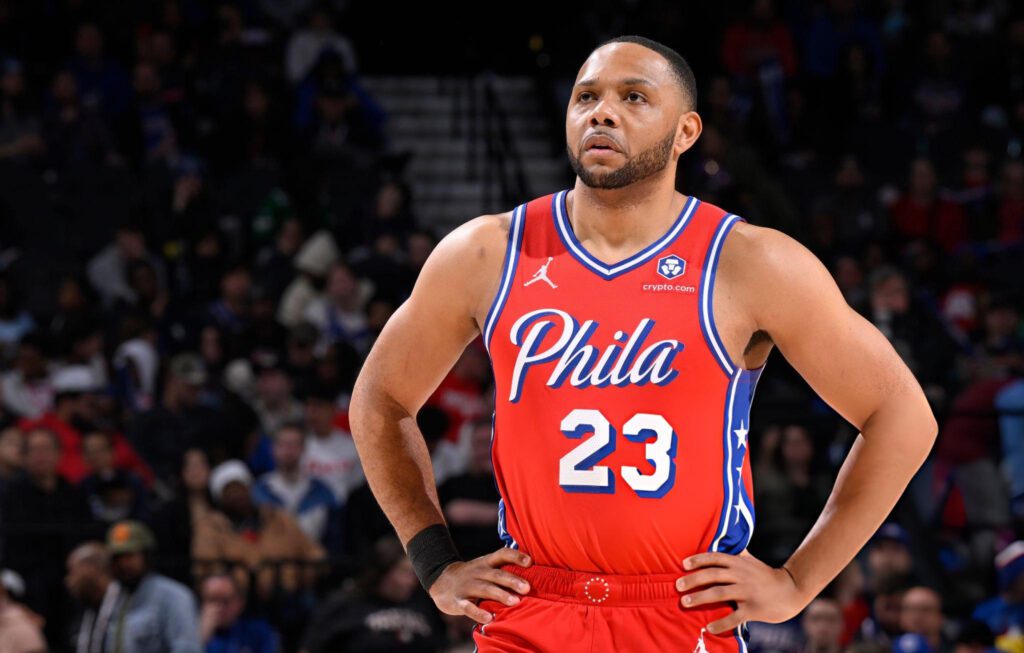
Eric Gordon is openly on the market. The Grizzlies acquired him in a salary dump from the 76ers and then waived him a day later, which is exactly how these veteran shooters hit the market every year.
The season sample is small, but it tells you what his role is at this stage. Gordon has played six games and is at 5.5 points in 12.3 minutes, shooting 57.1% from the field and 57.1% from three. The percentages are obviously not stable, but the takeaway is: he can still get a shot off, and he still thinks like a shooter.
For the Knicks, Gordon is a “do we trust you in a playoff game?” bet. Their offense can go cold when Brunson sits, and they’ve had stretches where the bench needs a quick-hit scoring threat who doesn’t need plays run for him. Gordon fits that as a catch-and-shoot spacer who can also attack a closeout once or twice a night.
The defensive end is where it gets real. In the playoffs, teams will try to drag him into action. If the Knicks add him, they’re basically saying, “We can hide you enough, and the shooting is worth it.” With Bridges and Anunoby around, that’s not impossible. The Knicks have the perimeter defenders to cover for one specialist if the minutes are controlled.
I like this one more than most because the Knicks don’t need another “pretty good” player. They need one elite skill off the bench. Gordon’s elite skill is shooting confidence. In a seven-game series, that can swing a quarter.