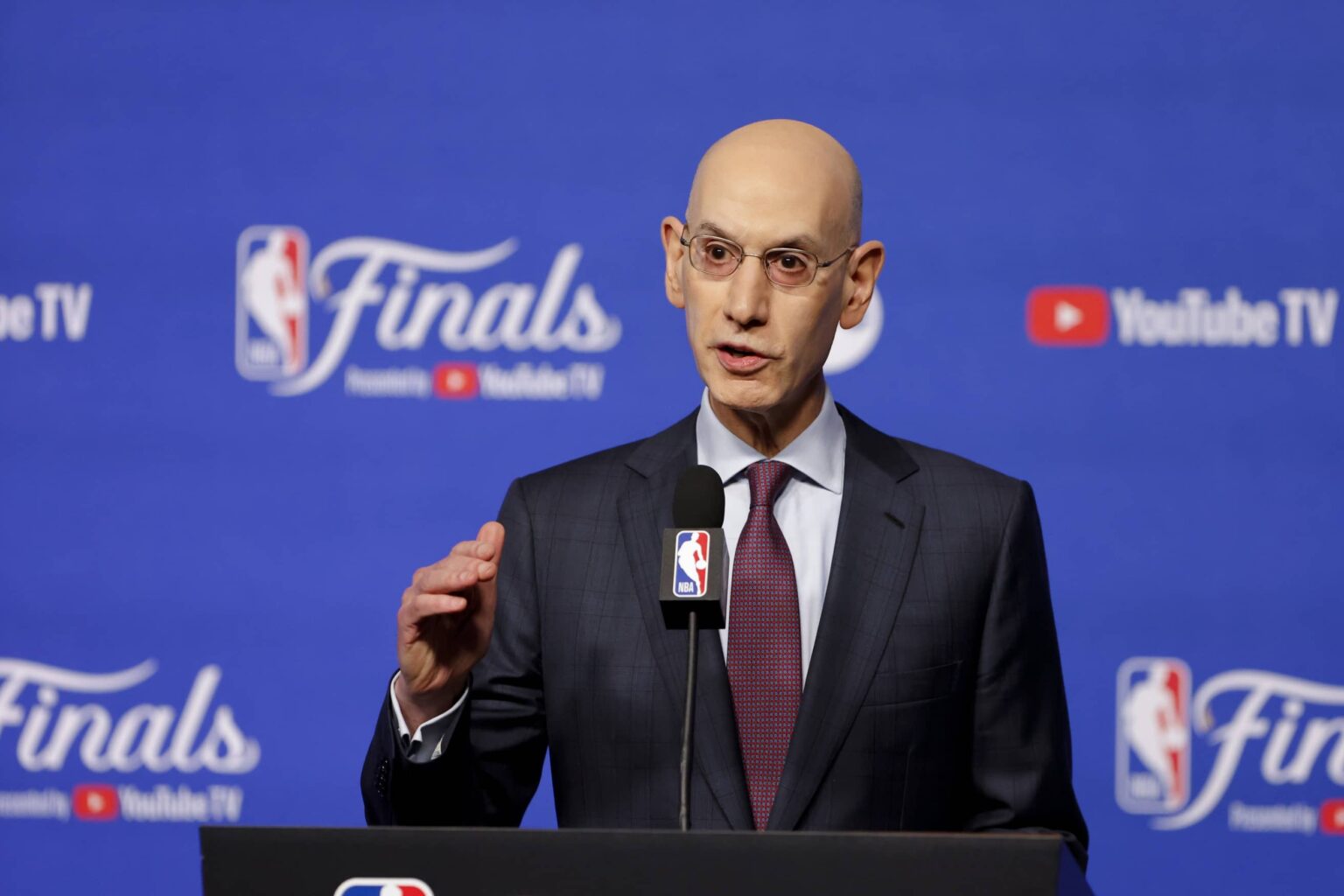
NBA Commissioner Adam Silver attempted to calm the waters during All-Star Weekend when addressing Giannis Antetokounmpo’s recent investment in prediction market platform Kalshi, describing the stake as ‘minuscule’ and ‘much smaller than 1%,’ while emphasizing that it does not violate collectively bargained league rules. Yet when the numbers are examined more closely, the broader conversation becomes harder to dismiss.
“In the case of Giannis, from what I understand, it’s a minuscule investment, much smaller than 1%, so that does not violate the rules that have been collectively bargained with the players association. Obviously, it’s an issue that I’m paying an enormous amount of attention to.”
“It’s rapidly evolving. We currently are looking at prediction markets essentially in the same way that we’re looking at sports betting.”
Silver added that the league is treating prediction markets similarly to traditional sports betting and acknowledged the scale of the industry. The NBA now operates in roughly 40 U.S. jurisdictions with legalized sports betting, alongside approximately 80 countries internationally where wagering on NBA games is permitted.
“It concerns me, in the totality of all this betting, that we need a better handle, no pun intended, on all the different activity that’s happening out there.”
The optics, however, remain complex.
Kalshi is reportedly valued at $11 billion. Under NBA rules, players are permitted to own up to 1% of a gambling-related entity. One percent of an $11 billion company equals $110 million. Even half of that would represent a $55 million stake. Silver characterized Giannis’ ownership as far below that threshold, but even a fraction of a percent in a company of that size is not insignificant in absolute financial terms.
No one is suggesting Antetokounmpo has engaged in improper conduct. There is no evidence of wrongdoing, nor any indication that he would bet on himself or provide information to family members or associates. Giannis has maintained a clean reputation throughout his career. The concern lies not in intent, but in perception.
The timing intensified scrutiny. Kalshi had active prediction markets tied to Giannis’ trade odds leading up to the deadline, during a period when his future in Milwaukee dominated league headlines.
Within days of the trade deadline passing, Antetokounmpo announced he had become a shareholder in the platform. Even though Kalshi has stated that he is prohibited from participating in NBA-related markets, the proximity of events inevitably raised eyebrows.
Compounding the issue is a growing cultural shift around sports betting and player interaction. The line between fan frustration and personal confrontation has blurred. A fan confronted Fred VanVleet in church over a $3,000 parlay that failed. Dejounte Murray publicly clapped back at a bettor who blamed him for ruining a wager. Zach LaVine engaged in a heated exchange with a Kings fan who had lost money on a bet.
These incidents illustrate a troubling trend in which athletes are being treated as extensions of gambling slips rather than competitors in a sport.
Meanwhile, the league has faced far more serious betting-related controversies. Jontay Porter received a lifetime ban for gambling violations in 2024.
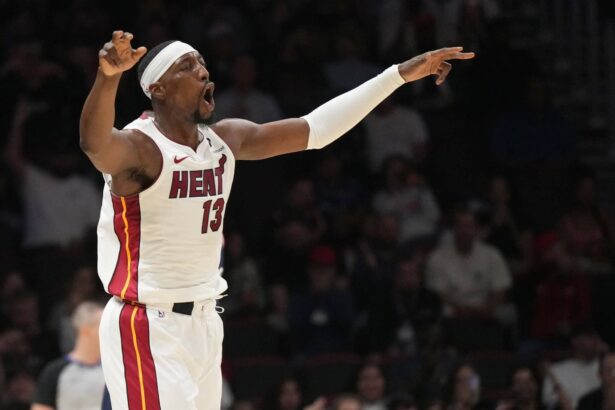
Earlier this season, Miami Heat guard Terry Rozier and Portland Trail Blazers head coach Chauncey Billups were arrested in connection with a broader federal gambling investigation and remain under scrutiny. Against that backdrop, any association between active players and betting-adjacent platforms invites heightened sensitivity.
Financially, Antetokounmpo may not need the investment. His career earnings stand at approximately $338 million, and that figure will surpass $459 million once the remaining two years of his current contract are completed. He is also eligible for a four-year, $275 million extension later this year. His reported net worth exceeds $100 million. From a wealth perspective, this investment is unlikely to materially alter his financial standing.
The larger issue is structural. The NBA is navigating an unprecedented betting landscape, one in which traditional sportsbooks, daily fantasy platforms, and now prediction markets intersect with player branding and investment opportunities. Silver’s comments acknowledge that the league is still adapting to a rapidly changing environment.
Calling the stake ‘minuscule’ may be technically accurate in percentage terms. Yet in a company valued at $11 billion, even small slices represent serious capital. As prediction markets continue to expand and player influence grows, the league will face increasing pressure to clarify boundaries and protect competitive integrity before perception becomes a larger problem than policy.