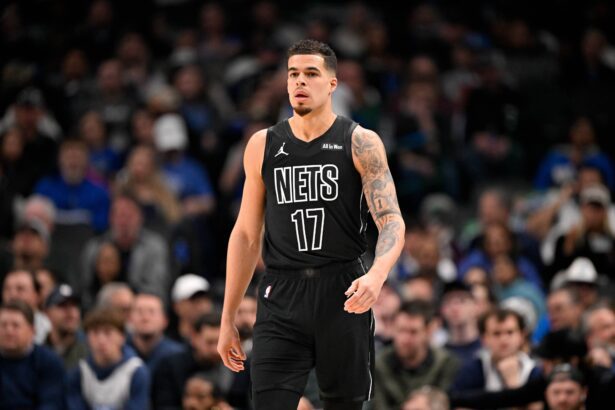
The Los Angeles Lakers slammed the door shut in the first round. In a dominant Game 6 performance, L.A. overwhelmed the Houston Rockets from the opening tip, ending the series with a 98-78 victory.
Behind a dominant showing from LeBron James and a strong effort on the glass, the Lakers turned what should have been a tense elimination game into a one-sided statement win. Houston simply had no answers.
The Rockets shot just 35% from the field and an abysmal 18% from three, while the Lakers controlled the boards (54-45), dominated second-chance opportunities, and dictated the tempo throughout.
By the time the fourth quarter rolled around, the outcome was no longer in doubt. Now, with momentum firmly on their side, the Lakers shift their focus to a much tougher challenge ahead: a second-round showdown with the Oklahoma City Thunder.
1. LeBron James Was The Best Player On The Floor
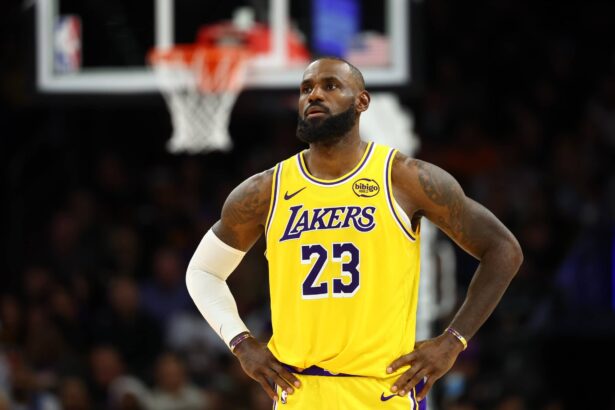
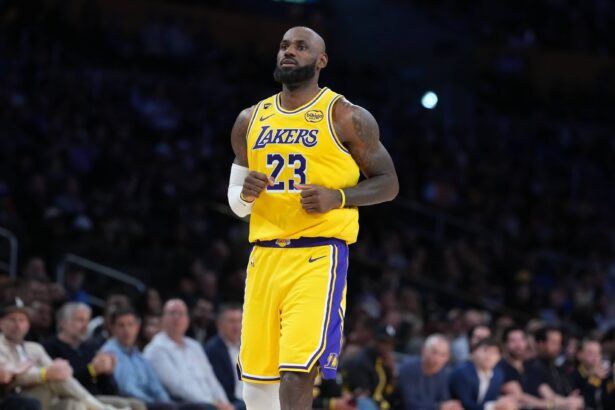
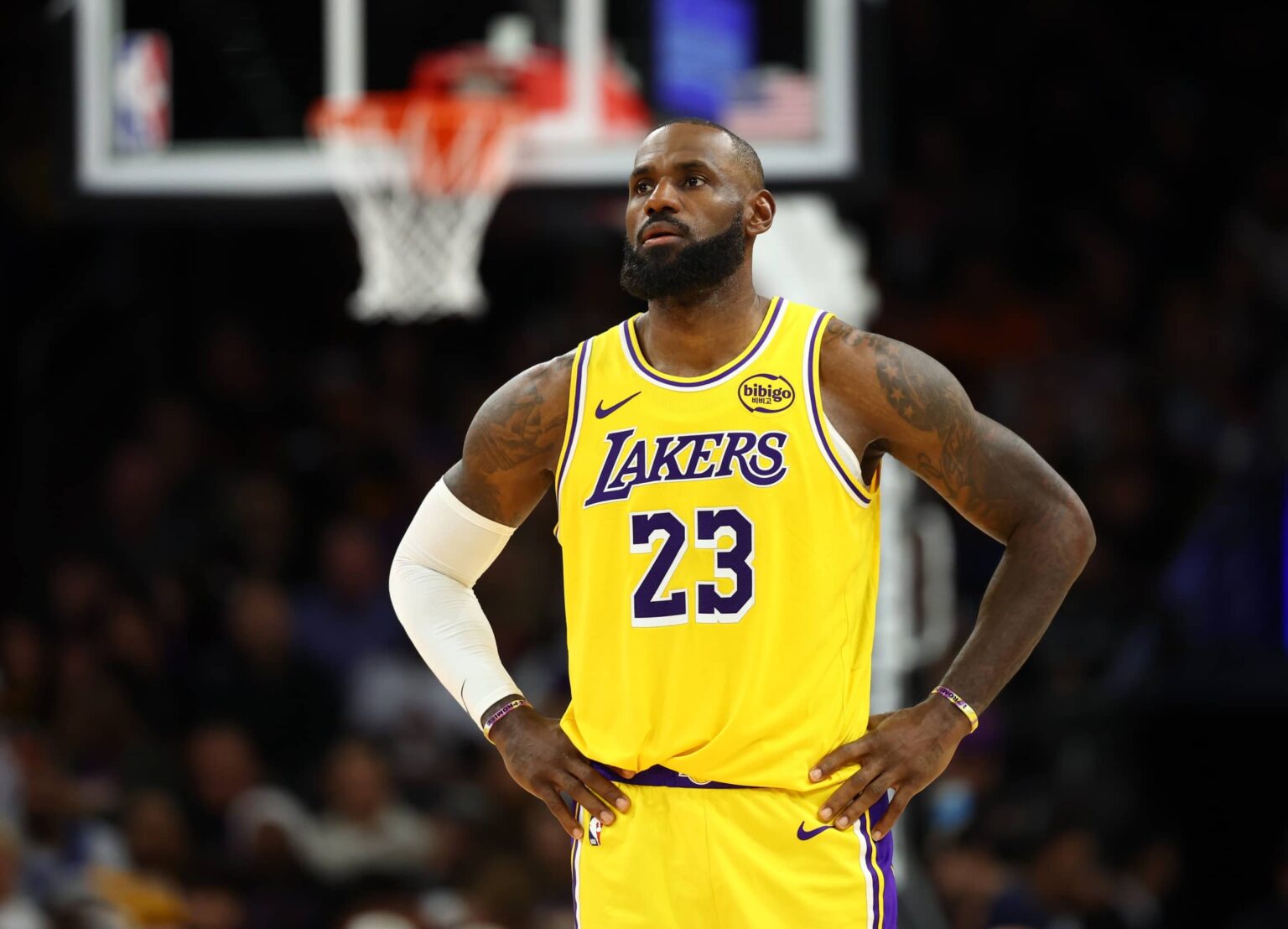
If this was supposed to be a “passing of the torch” series, nobody told LeBron James. In 37 minutes, he controlled the entire game with 28 points, 8 assists, and a +26 plus/minus, but the real story was how he did it.
He picked apart Houston’s defense possession by possession. The Lakers scored 19 fast-break points compared to just 8 for Houston, and that starts with LeBron pushing the pace and making the right read every time.
Even on a 10-25 shooting night, he bent the game to his will. Houston couldn’t speed him up, couldn’t trap him effectively, and couldn’t keep him out of the paint long enough to matter. Make no mistake, LeBron gets his flowers tonight.
2. Los Angeles Lakers Were Better Physically
The Lakers wore the Rockets down. A 54-45 rebounding edge, including 15 offensive boards, tells you everything about the tone of this game. Deandre Ayton dominated inside with 16 rebounds (13 defensive), while the team as a whole turned second chances into momentum-killing sequences.
Houston had size and athleticism, but they couldn’t match the Lakers’ persistence. Every missed shot felt like it belonged to L.A. anyway.
The Rockets only grabbed 8 offensive rebounds themselves, which meant fewer second chances and more empty trips. In a closeout game, that kind of physical edge was ultimately demoralizing.
3. Houston Rockets Once Again Collapsed Offensively
There’s no sugarcoating this: 5-28 (18%) from deep in a must-win game is a death sentence. Reed Sheppard went 1-10 from beyond the arc, and as a team, Houston never found any rhythm.
Meanwhile, the Lakers hit 12-28 (43%), which effectively doubled Houston’s efficiency from distance. That’s your game right there.
What makes it worse is that many of those looks were clean. The ball movement was decent, but the execution just wasn’t there.
When the Rockets missed early, you could feel the hesitation creep in. By the second half, every three looked heavier than the last, and the Lakers fed off that doubt. We have seen this too many times this season, and it is clear: the Rockets are a horrific offensive team.
4. Rui Hachimura And Role Players Stepped Up
This wasn’t a one-man show. Rui Hachimura dropped 21 points on an efficient 8-15 shooting, including 5-7 from three, spacing the floor perfectly and punishing every defensive mistake.
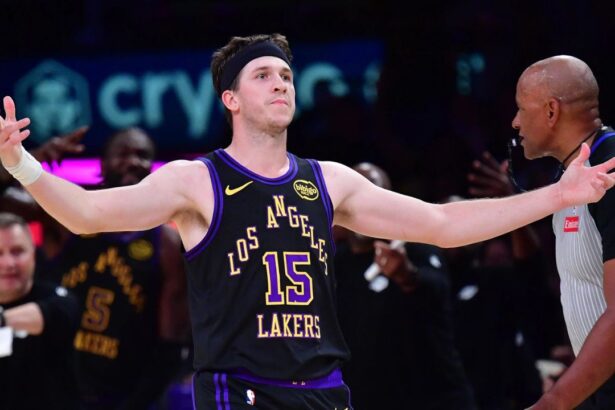
Marcus Smart added defensive chaos (+25), while Austin Reaves chipped in 15 with solid two-way play. The depth difference showed up in subtle ways, too.
The Lakers’ bench didn’t explode statistically, but they maintained control, finishing with multiple positive plus-minus contributors. Compare that to Houston, where nearly every starter was deep in the negatives, and you start to see why this turned into a blowout.
This was a complete team performance, and the role players deserve their praise.
5. Thunder vs. Lakers Will Be A Different Contest
Now comes the real test. Advancing is one thing, but dealing with OKC is another. The Thunder bring the highest level of modern basketball, led by Shai Gilgeous-Alexander. If Houston struggled to score efficiently, OKC won’t have that same problem.
But the Lakers have something Houston didn’t: playoff control and physical dominance. If they can replicate the rebounding edge (54-45) and defensive presence (9 blocks), they’ll make this a grind.
The contrast in styles sets up one of the most fascinating second-round matchups. And if Game 6 showed anything, it’s that the Lakers are rounding into form at exactly the right time. The question will be whether Luka Doncic plays or not, because if he doesn’t, it could be a 4-game sweep. If he plays, it could get a tad more interesting.