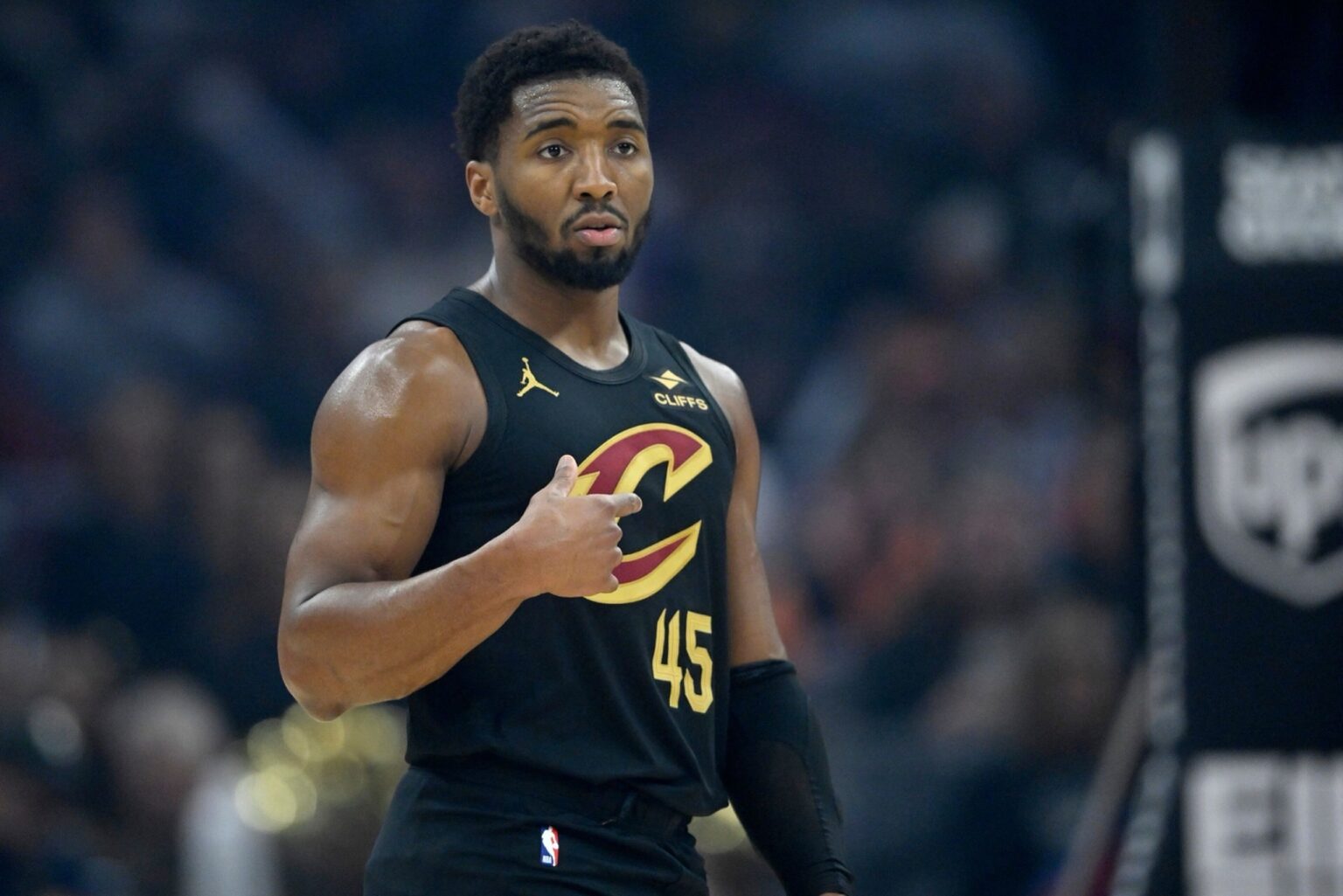
The Cleveland Cavaliers walked into Game 6 with a chance to close out the Toronto Raptors, but failed 112-110 in the most painful way imaginable. Despite dominating the glass 52-38 and generating 19 offensive rebounds, Cleveland still couldn’t land the knockout punch and lost to an incredible RJ Barrett game-winning three-pointer.
To their credit, the Toronto Raptors refused to go out. Despite being outworked in certain areas, they leaned on timely shot-making, sharper execution, and ultimately delivered a jaw-dropping game-winner that flipped the entire narrative of the series.
Can the Raptors do the unthinkable and steal Game 7? Or can the Cavaliers get into the second round as the favorites in the series?
1. The Raptors Made Winning Plays When It Mattered
The Toronto Raptors executed under pressure when everything tightened late. They shot a more efficient 46.0% from the field and 36.1% from three, compared to Cleveland’s 43.0% and 26.8%, and those margins became massive in crunch time.
While the Cleveland Cavaliers were grinding through possessions, Toronto found timely buckets, including the ridiculous game-winner that forced a Game 7. And it was mainly composure.
Toronto led for 71% of the game and built a lead as large as 15, consistently controlling the tempo. They trusted their sets, moved the ball (27 assists), and leaned into execution.
2. Scottie Barnes Was A Superstar On The Night
This felt like a signature playoff performance from Scottie Barnes. He finished with 25 points, 7 rebounds, and a staggering 14 assists, essentially dictating every possession.
Every time Cleveland sent help, he punished them by finding shooters or cutters, turning defensive pressure into open looks. What stood out most was his control of pace.
Barnes never looked rushed despite heavy defensive attention, finishing with just 3 turnovers across 48 minutes. Add in 3 steals and 3 blocks, and you’re looking at a complete two-way performance.
3. Cleveland’s Inefficiency From Three Ended It For Them
For all the things Cleveland did well, like dominating the glass 52-38 and grabbing 19 offensive rebounds, their shooting ultimately let them down. Going 11-41 (26.8%) from three in a tight playoff game is a recipe for disaster.
Donovan Mitchell alone went 2-10 from deep as part of a 24-point night that required 26 shots. The missed threes fueled Toronto’s transition game.
The Raptors turned defense into offense, scoring 20 fast-break points compared to Cleveland’s 6. Every long miss felt like a runway for Toronto to push the pace, and that swing in tempo kept the Cavaliers from ever fully settling into control.
4. The Cavaliers Dominated Inside But Couldn’t Capitalize
Inside the arc, Cleveland had the advantage, and it showed. Evan Mobley was outstanding with 26 points on 9-15 shooting and 14 rebounds, while Jarrett Allen added 14 points and 7 boards on an efficient 6-8 from the field.
The Cavaliers also scored 54 points in the paint and grabbed nearly double the offensive rebounds of Toronto. But they never fully leaned into it.
Instead of consistently punishing the Raptors inside, Cleveland drifted back to perimeter-heavy offense, especially late. That decision-making, settling for jumpers instead of forcing the issue inside, allowed Toronto to hang around and ultimately steal the game.
5. Toronto’s Defense Changed The Game
The Raptors’ defensive energy was impossible to ignore. They racked up 13 steals and 9 blocks, constantly disrupting Cleveland’s rhythm. Ja’Kobe Walter and Barnes combined for 6 steals, while multiple players rotated to protect the rim.
That activity translated directly into offense. Toronto forced 18 Cleveland turnovers and turned them into 25 points.
In a game decided by a single possession, that’s the difference. The Cavaliers had more rebounds, more second chances, and still lost – that tells you how impactful Toronto’s defensive pressure was.