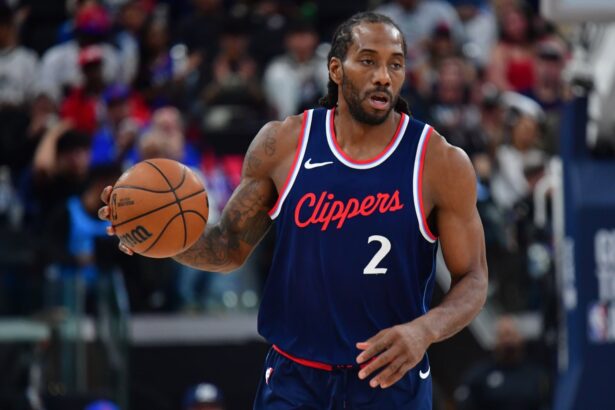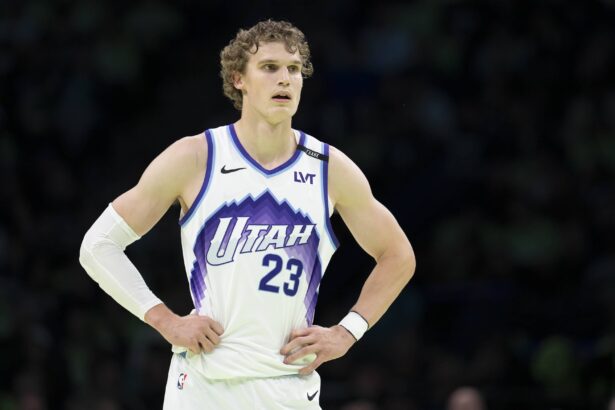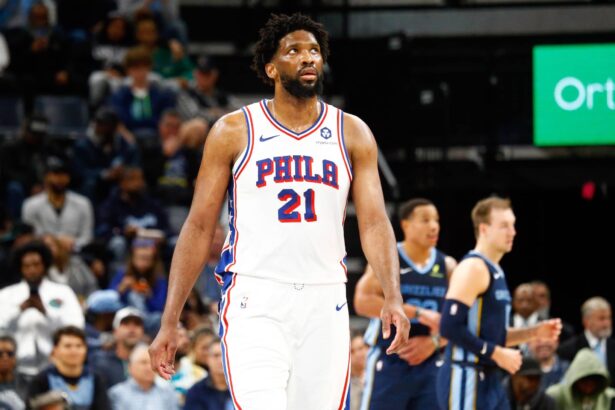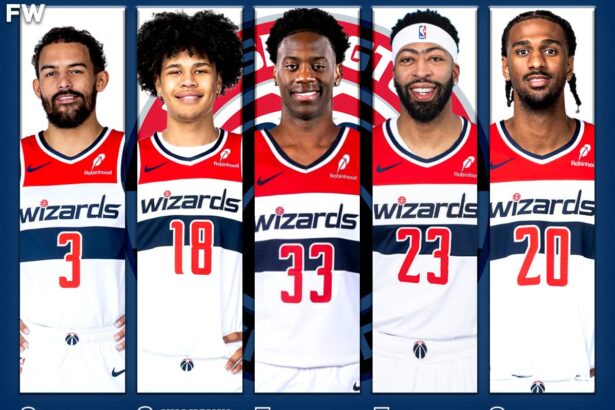
The Utah Jazz moved up in the NBA Draft Lottery for the first time in franchise history when it was announced that they had received the No. 2 pick in the 2026 NBA Draft. The franchise is guaranteed to select one of four potentially generational prospects at the top of the draft class – AJ Dybantsa, Darryn Peterson, Cameron Boozer, and Caleb Wilson.
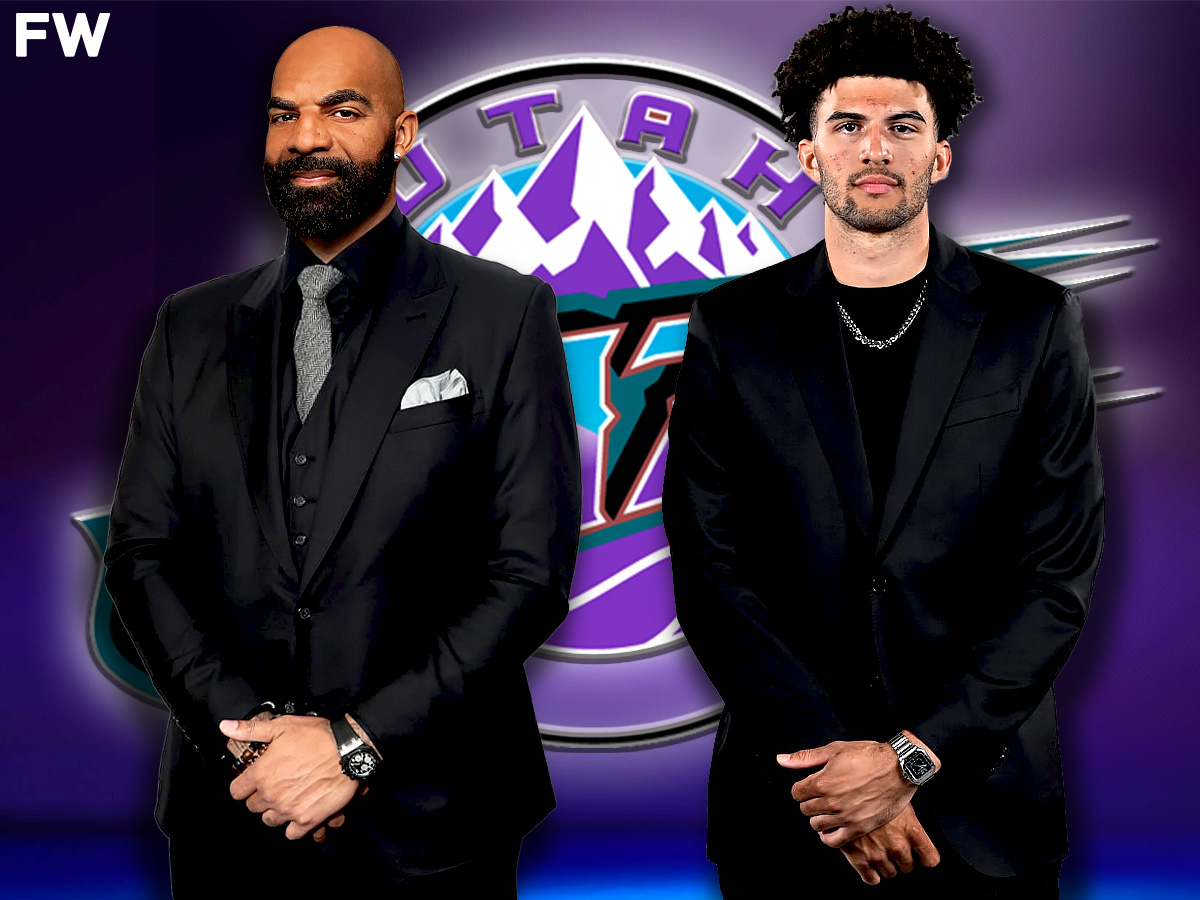
There is an interesting connection between Boozer and the Jazz that might have been ignored by everyone. Cam Boozer is the son of former Jazz legend Carlos Boozer, with Carlos currently working as a member of the Jazz’s scout department.
Boozer had joined the Jazz as a scout before the start of the 2025-26 NBA season, according to HoopsHype. This means he’ll be one of the leading voices advising the franchise on whether they should select his son with the No. 2 pick, with the Washington Wizards expected to pick either Dybantsa or Peterson.
This will be a test for Boozer, as the Jazz might be better off picking off the prospect the Wizards don’t pick with the No. 1 overall pick than his son.
This isn’t to disparage Boozer as a prospect, who averaged 22.5 points, 10.2 rebounds, 4.1 assists, and 1.4 steals with the Duke Blue Devils last season, and measured at 6’8.25 barefoot and 253 pounds, with a 7’1.5″ wingspan and 9’0″ standing reach in yesterday’s NBA Draft Combine. But the Jazz already have Lauri Markkanen, Jaren Jackson Jr., and Walker Kessler forming their five-man unit.
There’s an argument for Boozer to Utah, but only if they move on from Kessler. The 18-year-old Duke forward is a multi-positional modern NBA center that coach Will Hardy might prefer compared to the defense-oriented Kessler, whose offensive contributions don’t come outside of the paint. But when healthy, Kessler is among the most impactful rebounders and rim-protectors in the NBA, so it’d be a risk to trade him away to accommodate Boozer, especially if it means passing on Dybantsa or Peterson.
Most mock drafts have the Wizards selecting Dybantsa at No. 1, so the Jazz should go with Peterson at No. 2. The 19-year-old guard is coming off averaging 20.2 points, 4.2 rebounds, 1.6 assists, and 1.4 steals with the Kansas Jayhawks in a troubled NCAA season. He was considered by many to be the preseason favorite to go No. 1, so he could bring the same value as a No. 1 pick one spot later for the Jazz.
Utah can accommodate Peterson next to Keyontae George and reap the rewards, making Isiah Collier expendable for the franchise. That’s a better bet than moving off Kessler to accommodate Boozer, so unless the Jazz discover something that makes Peterson too much of a risk to select No. 2, he should be their pick.
If the Wizards pick Peterson at No. 1, selecting Dybantsa might be a no-brainer for the Jazz. He averaged 25.5 points, 6.8 rebounds, 3.7 assists, and 1.1 steals in his only season with the BYU Tigers, playing in Utah and already familiarizing himself with the community. Going to BYU was a choice for Dybantsa, so staying close to that University by playing for the Jazz would be too enticing a prospect to pass up on.
Dybantsa would also require the Jazz to make a sacrifice within the Markkanen-Jackson-Kessler frontcourt trio, but Dybantsa could also be a choice in the backcourt next to George. After all, Dybantsa showed better playmaking instincts than Peterson, and basketball is mostly positionless anyway. Dybantsa would be a better fit as a wing player than Boozer’s post-oriented play for the Jazz, allowing them to create some incredible lineups if required.
The decision-making process for a team is far more nuanced than the opinions of one scout, so it’s unlikely Boozer can unilaterally shape the franchise’s draft decision. However, it must be challenging for him to see the franchise have an opportunity to select his son and potentially have to pass on him for a different prospect.
The Jazz are better-off having Boozer focus on what to do with potential undrafted signings for the summer league and for two-way slots than what they do atop the Draft, since his opinions on the No. 2 pick clearly come with an inherent conflict-of-interest.