The OKC Thunder picked up a much-needed 127-114 win over the San Antonio Spurs in Game 5 of the Western Conference Finals to take a 3-2 series lead. They’re one win away from becoming the first Western Conference team to return to the NBA Finals in back-to-back seasons since the Golden State Warriors did it in 2018 and 2019.
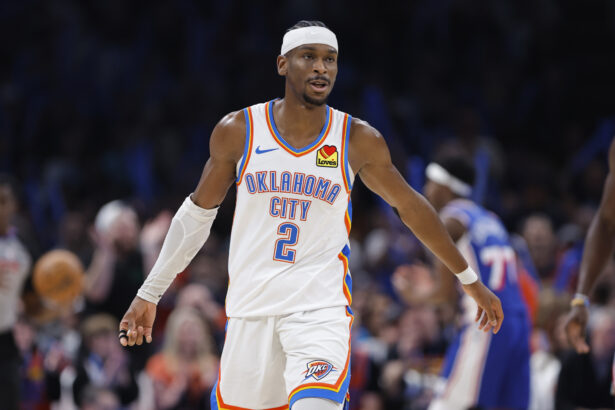
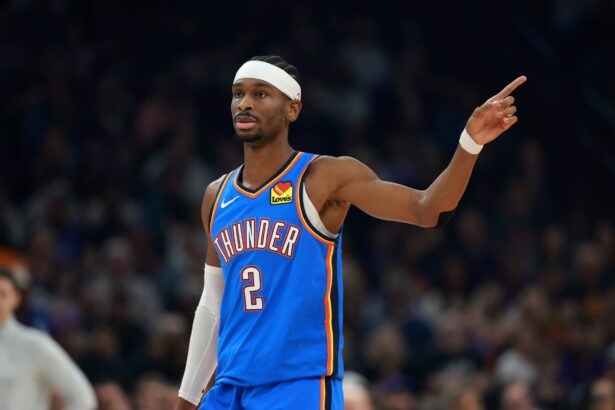
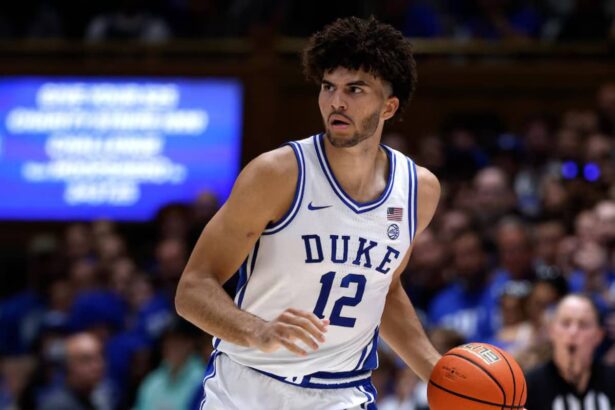
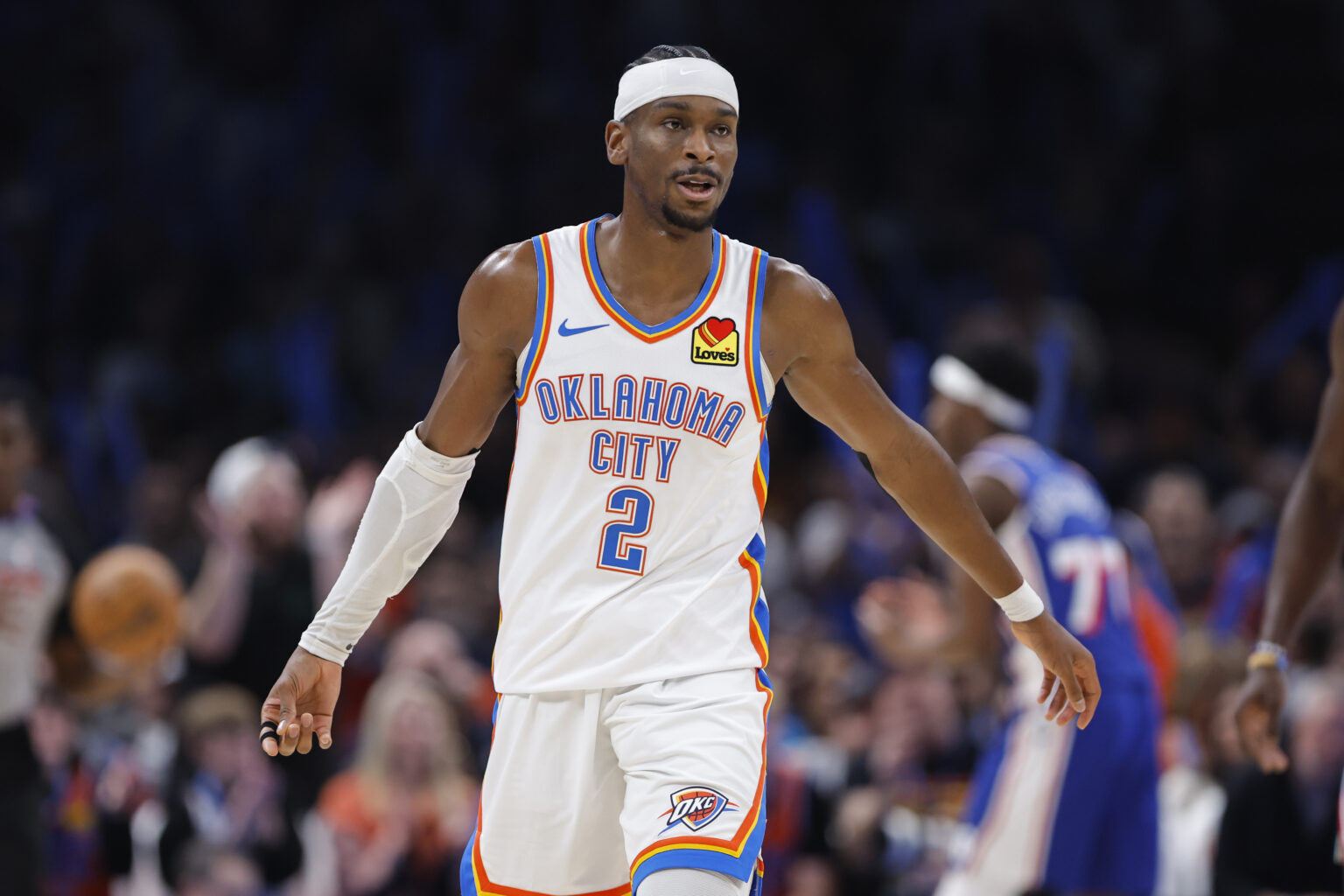
Despite being without Jalen Williams and watching Alex Caruso pick up an injury, the Thunder secured this win behind 32 points (7-19 FG, 16-17 FT) and nine assists from Shai Gilgeous-Alexander, as the entire team shot 38 free throws in the win. Jared McCain had another 20-point game, getting the opportunity to start for the first time in the postseason.
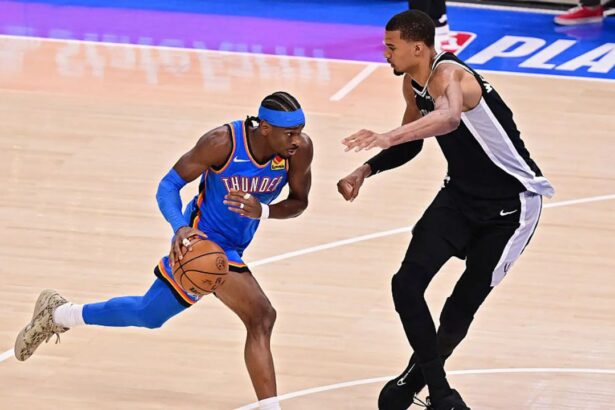
The Spurs couldn’t push past Victor Wembanyama’s inefficent 20-point night (4-15 FG), as the Thunder created a masterful defensive game plan to limit his production.
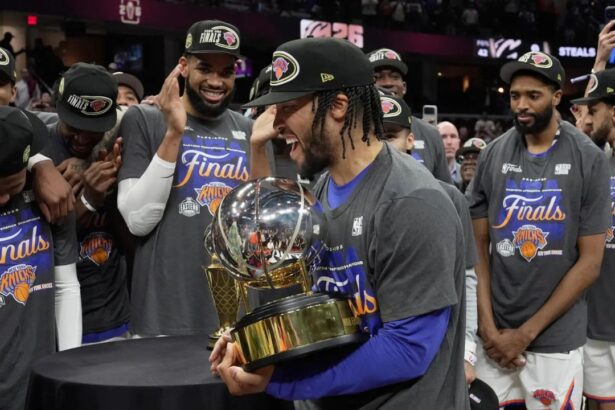
Let’s analyze the five reasons why the Thunder are now one win away from facing the New York Knicks in the 2026 NBA Finals.
1. Shooting Efficiency Was The Biggest Factor
The Thunder lost Game 4 after a horrendous shooting performance where they went 6-33 from long-range, but that completely changed tonight. The Thunder went 14-32 (43.2 3P%) in tonight’s win while the Spurs were restricted to 12-41 (29.3 3P%) from three in the clash. While it led to just a six-point difference, San Antonio’s inefficiency with outside shots gave the Thunder a platform to keep increasing their lead with their measured and efficient play.
It’s not like the Spurs could re-focus their attention to finding a new way to attack, as the team ended the game with an overall 37-92 (40.2 FG%) from the field, which would rank among their worst offensive games in the 2026 Playoffs. The Thunder made more of fewer opportunities, going 40-83 (48.2 FG%) over the game and ensuring the Spurs didn’t catch fire to break their lead down after it became a single-digit lead in the fourth quarter.
2. Thunder Figured Out How To Slow Wembanyama Down
Wembanyama has played just 15 Playoff games in his young career, but Game 5 against the Thunder was arguably his worst offensive performance in this small sample size. The 22-year-old center has had a historic run through the postseason and was the key factor that enabled San Antonio to pick up the wins they did in Games 1 and 4. As a result, the Thunder fully committed to ensuring Wembanyama can’t dominate offensively, especially in the paint.
The frontcourt duo of Chet Holmgren and Isaiah Hartenstein were relentless with Wembanyama. Hartenstein would be in single-coverage with Wembanyama and trying to use his physicality to alter the play as Holmgren flies into sight as a help-defender. While this style of play allowed Julian Champagnie to have a 22-point night, it took the sharpness out of Wembanyama’s offense. Adding Alex Caruso to the defensive rotation for when Wemby is on the perimeter made it a rough night for the French center.
3. Spurs’ Point Guard Issues
The Spurs have a genuine problem to figure out, as they have gotten virtually no production from their point guards this series. De’Aaron Fox missed the first two games with an ankle injury and has averaged 12.0 points, 7.0 rebounds, and 6.3 assists on 38.1% shooting from the field since returning.
Fox’s on-ball presence has helped guys like Stephon Castle thrive in a secondary ball-handler role, the lack of production from point guard is taking a toll on the Spurs offense.
Fox’s backup, Dylan Harper, has had some incredible moments in the postseason but has averaged 6.0 points, 4.7 rebounds, and 2.3 assists over the last three games since picking up a hamstring injury in Game 2 of the series.
The Thunder’s aggressive perimeter defense has made both Fox and Harper look quite weak, as the backcourt duo tries to figure out how to keep themselves safe from injury against a physical Thunder defense while also being productive contributors.
Both Fox and Harper are fighting through injuries, which has limited their porduction. However, OKC also has major absences in their rotation, so this guard duo needs to find a way to break through if they want their season to stay alive in Game 6.
4. A Hard-Fought Rebounding Battle
The Thunder were able to eke out a crucial edge on the glass in this game, which undoubtedly was one of the biggest factors in their win. The 7’5″ Wembanyama has had multiple games with under 10 rebounds in this series already, which is a credit to the Thunder for managing to box him out of potential rebounding opportunities and maximizing those for themselves instead.
The Spurs are one of the best rebounding teams in the NBA not because of their tall center, but because their rotational players aggressively crash the boards. Castle, Champagnie, Harper, and many others make an active effort to fight for rebounds, but the Thunder managed to do it better.
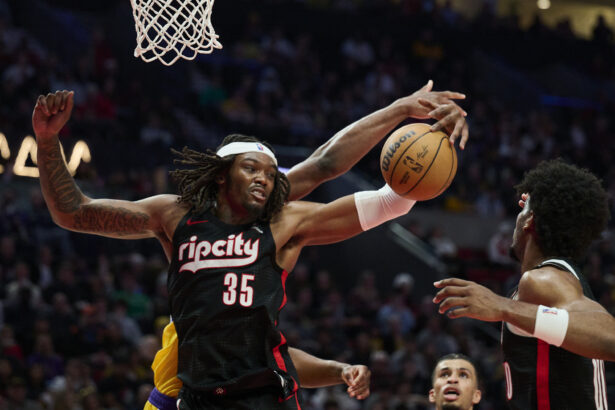
The Thunder grabbed 48 rebounds over the game compared to San Antonio’s 41. This was despite the Spurs having a 15-14 edge in offensive rebounding, as OKC got to grab more boards as a result of the Spurs’ poor shooting on the night. Nonetheless, the Thunder had to fight for every possession after a missed shot and their ability to maximize that led to them going 26-15 in second-chance points, which added to their three-point efficiency, likely made the difference for this outcome.
5. Free Throws Are Still A Major Story
This game saw the two teams shoot a combined 70 free throws during Game 5, the most of any clash in the 2026 NBA Playoffs. Fans were incredibly critical of the officials in this game, as the Thunder went 33-38 from the line while the Spurs went 28-32. The free throws didn’t make a difference to the outcome, but the frequency of calls seemed to get both teams out of their usual rhythm.
It was clear after the game that many fans believed the Thunder got a lenient whistle once again, especially Gilgeous-Alexander, who scored 32 points on just seven made field goals because he went 16-17 from the free throw line. Even Wembanyama’s poor shooting night with just four field goal makes led to 20 points because the French star went 12-12 from the line.
Hopefully, Game 6 can lead to minimal referee intervention, although that’s unlikely.