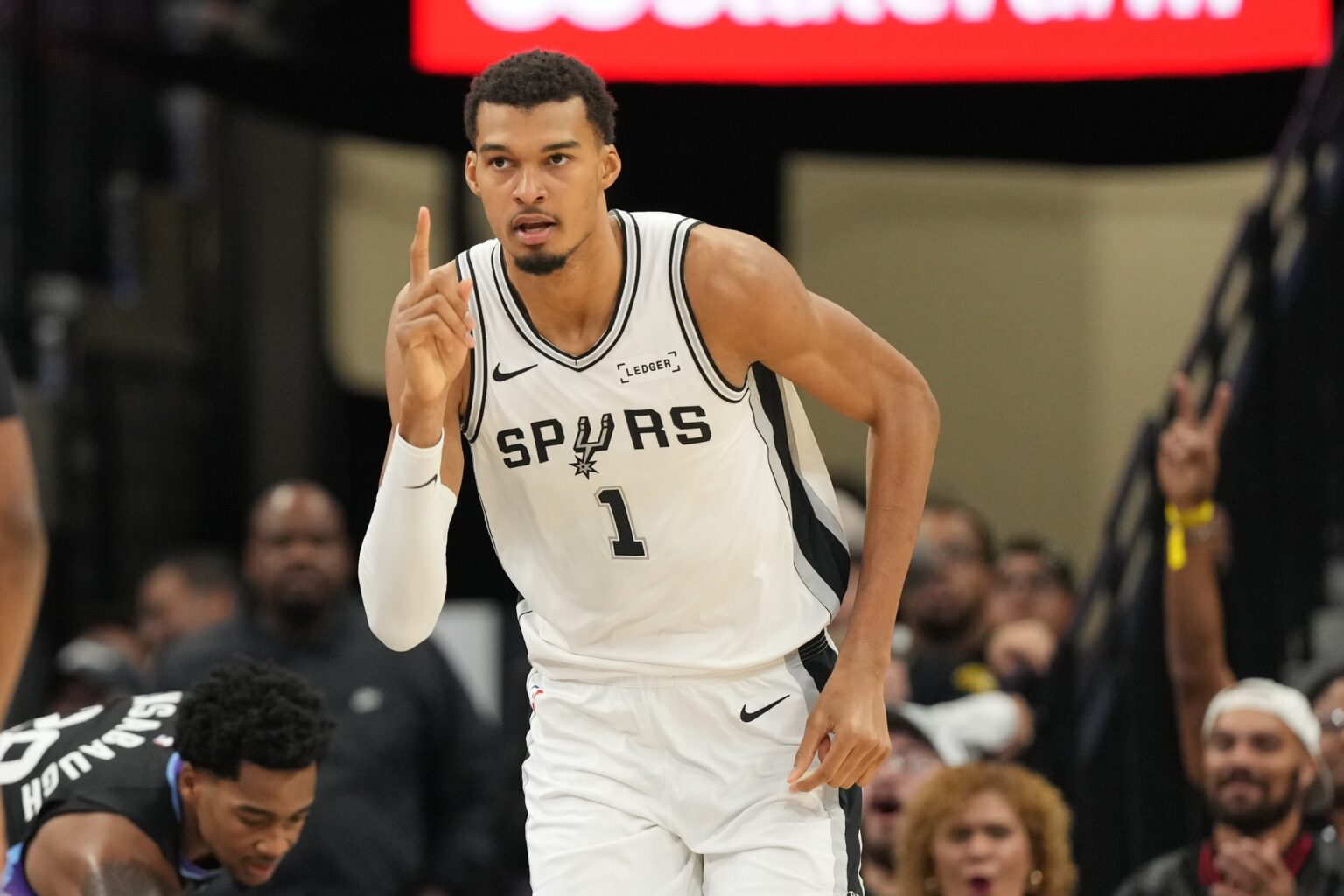
The Spurs host the Celtics at Frost Bank Center on Tuesday, March 10, at 8:00 PM ET.
The Spurs are 47-17 and second in the West, while the Celtics are 43-21 and second in the East. The Spurs are 24-6 at home, and the Celtics are 22-11 on the road.
The Spurs last played Sunday and beat the Rockets 145-120. The Celtics also played Sunday and beat the Cavaliers 109-98. These teams have met once this season, and the Spurs won that game 100-95.
For the Spurs, Victor Wembanyama is averaging 23.9 points, 11.1 rebounds, and 3.0 blocks, while De’Aaron Fox is one of the engines behind their surge and enters this matchup posting 18.9 points and 6.3 assists.
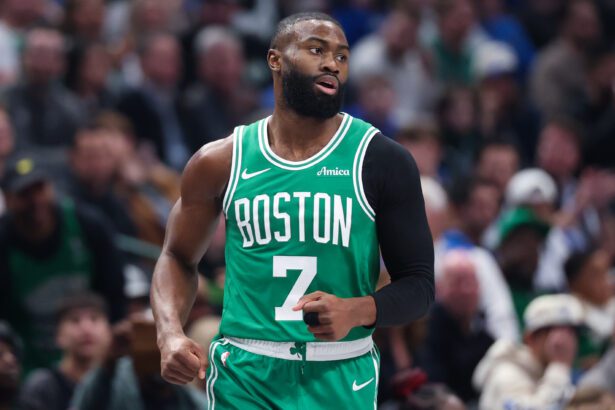
For the Celtics, Jaylen Brown is averaging 28.7 points, 7.2 rebounds, and 5.1 assists, while Derrick White is at 17.2 points, 4.4 rebounds, and 5.7 assists.
This is one of the best games on the board because both teams are rolling. Since February 1, the Spurs are 15-1, and the Celtics are 13-3, so this is not just a standings game. It feels like a real measuring-stick night for two contenders.
Injury Report
Spurs
Harrison Barnes: Out (left ankle impingement)
Harrison Ingram: Out (G League – Two-Way)
David Jones Garcia: Out (G League – Two-Way)
Emanuel Miller: Out (G League – Two-Way)
Mason Plumlee: Questionable (return to competition reconditioning)
Celtics
Nikola Vucevic: Out (right ring finger fracture)
John Tonje: Out (G League – Two-Way)
Payton Pritchard: Questionable (neck spasm)
Why The Spurs Have The Advantage
The Spurs have the cleaner full-team profile in this matchup. They own an 118.3 offensive rating, which ranks sixth in the league, and a 111.2 defensive rating, which ranks third. Their +7.1 net rating is also third. That matters against a Celtics team that is still excellent, but one that comes in a little thinner in the frontcourt and now has to solve elite size on both ends.
The Spurs can also pressure this game in ways the Celtics do not love. They are scoring 118.7 points per game, averaging 27.3 assists per game, which ranks 11th, and playing at a 100.15 pace. The Celtics play much slower at a 94.67 pace, so one of the first matchup questions is simple: Can the Spurs speed this up before the Celtics settle into their half-court defense? If they can, their athleticism and rim pressure become much more dangerous.
The Spurs also have a real interior edge on paper. They average 46.4 rebounds per game, 5.5 blocks per game, and 25.1 free-throw attempts per game. That is a strong formula against a Celtics team that is without Nikola Vucevic and may have to survive longer stretches with smaller or less physical frontcourt combinations. If the Spurs win the paint and force the Celtics to finish over length instead of living on clean catch-and-shoot rhythm, the game leans their way.
The context around the game also points to the Spurs. They are 24-6 at home, 9-1 in their last 10, and they already held the Celtics to 95 points in the first meeting. That does not guarantee another low-scoring Celtics night, but it does show the Spurs have a defensive blueprint for this matchup, especially when the game gets physical and slows down late.
Why The Celtics Have The Advantage
The Celtics still have the best offensive ceiling in this game. They own a 120.5 offensive rating, score 114.5 points per game, and post a +8.0 net rating. They also make 15.4 threes per game on 42.4 attempts. That is the basic pressure they put on every opponent: even when the pace is slow, it can still create a shot-value advantage with spacing and low-mistake offense.
The defensive floor is just as important. The Celtics are allowing only 106.9 points per game, the best mark in the league, and they turn it over just 12.2 times per game, the fewest in the league. That combination matters a lot here because the Spurs are at their best when they create chaos, attack early, and stack rim pressure on top of transition chances. If the Celtics keep the game clean and organized, it can pull the Spurs into more half-court possessions than they want.
There is also a schedule and form case for them. The Celtics are 22-11 on the road, they are 8-2 in their last 10, and they just beat the Cavaliers by 11 on Sunday. That is not a soft number. It says the Celtics can still bring real structure into a tough road spot, and that matters against a Spurs team that has been blowing games open with pace and energy lately.
The matchup logic is also straightforward on offense. The Spurs have the third-ranked defense, but the Celtics’ style is built to test size by dragging it into repeated screening actions and kick-out reads. If the Celtics can keep Wembanyama moving, stay away from live-ball turnovers, and make this more about perimeter decision-making than paint volume, they have a real path to flipping the game away from the Spurs’ comfort zone.
X-Factors
Devin Vassell is a real swing piece for the Spurs because he gives them secondary scoring without forcing the offense to stop. He is averaging 14.2 points, 3.9 rebounds, and 2.4 assists, and this matchup needs his shot-making on the wing. If Vassell hits enough catch-and-shoot looks and attacks closeouts instead of settling, the Celtics cannot just load the floor toward Wembanyama and Fox. If he is quiet, the Spurs get easier to guard in the half-court.
Stephon Castle is the other Spurs x-factor because his all-around impact changes the tone of the game. He is averaging 16.4 points, 4.9 rebounds, and 6.9 assists, and this is the kind of matchup where his size at guard can matter on both ends. If Castle helps push tempo, keeps the offense connected, and makes the Celtics work at the point of attack, the Spurs get another creator beyond Fox. If he struggles to organize the game against pressure, the offense can flatten out.
Jayson Tatum has to be in this section because his presence changes the shape of the entire Celtics offense right away. He has already returned and averaged 17.5 points, 7.5 rebounds, and 4.5 assists across his first two games back. In this matchup, his role is to be the big wing scorer who can punish switches and keep the Spurs from parking all of their attention on Brown. If Tatum looks fully comfortable, the Celtics’ ceiling rises fast. If he is still working back into rhythm, the Celtics lose a lot of their late-clock margin.
Payton Pritchard is the second Celtics player if he is available. He is averaging 16.8 points, 4.1 rebounds, and 5.3 assists, and his role here is obvious: keep the offense alive when Brown or White sit and punish any second unit minutes where the Spurs overload toward the ball. If Pritchard plays and gives the Celtics real bench shot creation, they become much harder to wear down over 48 minutes. If he is limited or out, the team loses one of its best release valves.
Prediction
I’m taking the Spurs. The Celtics have the cleaner three-point math and the lower-turnover profile, but this matchup still leans toward the Spurs for me because of the home edge, the size, and the pressure they can create at the rim. The Spurs are 24-6 at home, they already beat the Celtics once, and they bring a top-tier two-way profile into a game where the frontcourt battle feels especially important with Vucevic out.
Prediction: Spurs 116, Celtics 111