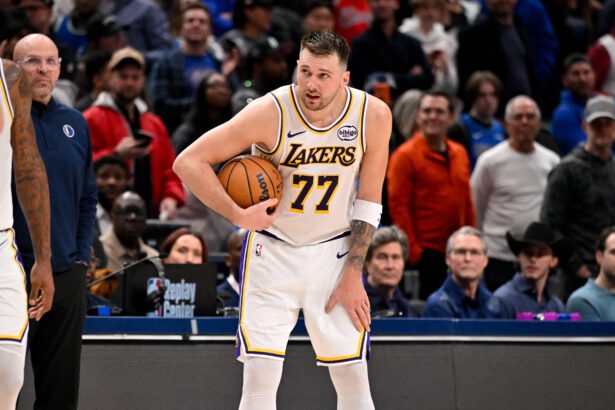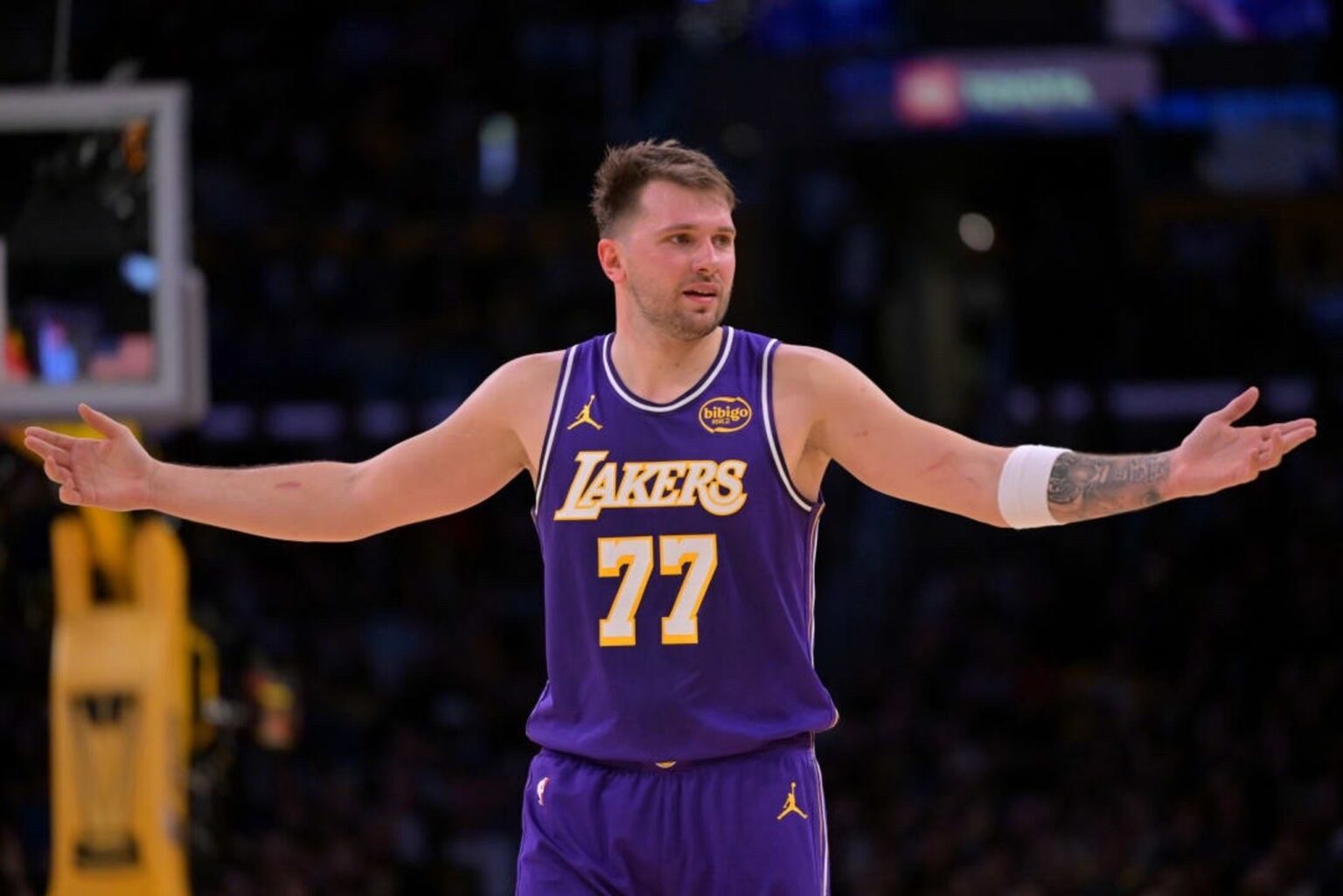
The Los Angeles Lakers just needed to let the stars take over, and that’s what happened. And once they found their rhythm at getting to the rim, there was no looking back.
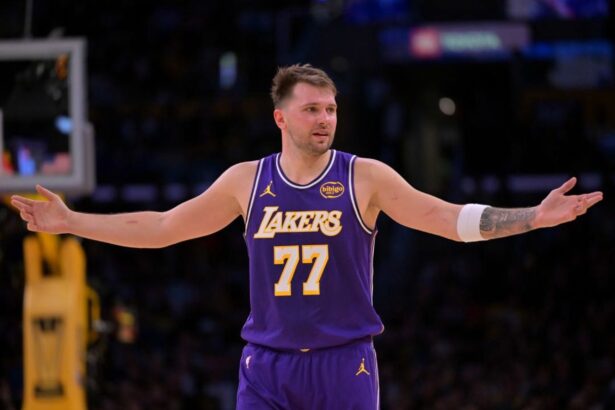
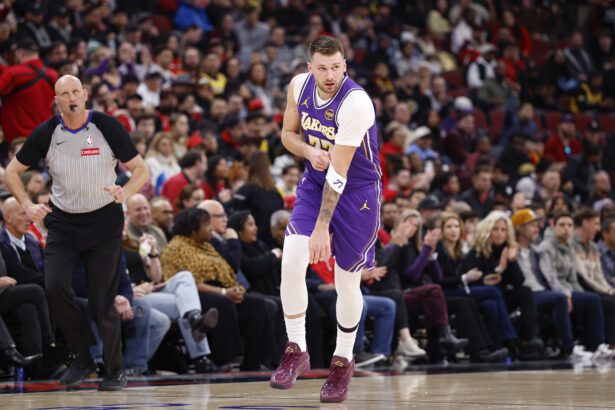
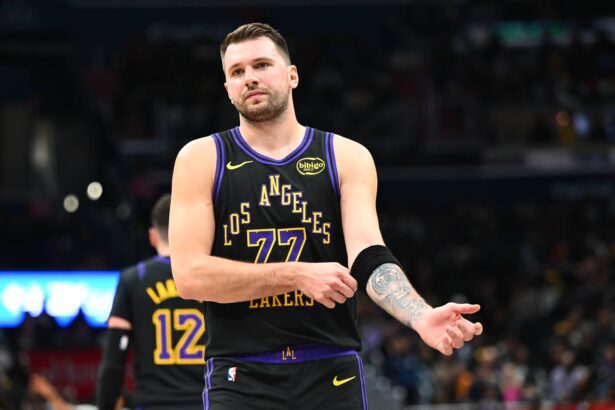
Behind another dominant performance from Luka Doncic and a highly efficient offensive night, the Lakers handled the Brooklyn Nets 116-99, continuing what has quietly become one of the most consistent stretches of their season.
While Brooklyn’s energy kept things competitive early, the gap in shot quality and interior presence eventually told the full story. Here’s what we learned from the Lakers on Friday night.
1. Luka Doncic Continues His Offensive Tear
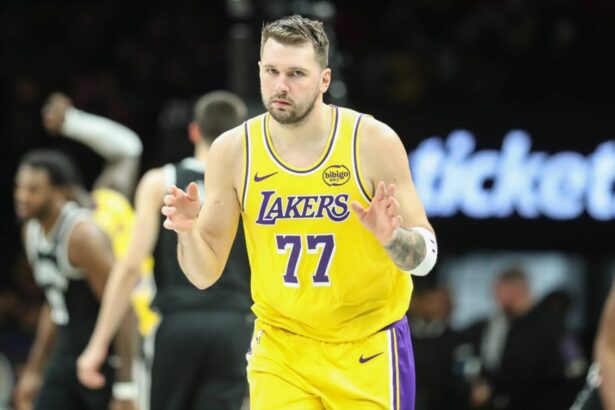
Did we expect anything different? Luka Doncic delivered another elite performance, finishing with 41 points on 15-25 shooting, including 5-10 from three, along with 8 rebounds, 3 assists, and 3 steals.
What stood out wasn’t just the scoring total, but the efficiency. He controlled the tempo, picked his spots, and punished mismatches without forcing the issue.
Even with 5 turnovers, his overall command of the game never wavered. Brooklyn had no real answer defensively, whether switching or dropping coverage – Doncic simply adjusted and kept scoring.
2. Austin Reaves Played The Perfect Complementary Role
Austin Reaves continues to thrive alongside Doncic, and this was another example of that chemistry clicking at a high level. He finished with 26 points on 7-13 shooting, hitting 4-7 from deep while also contributing 8 rebounds and 5 assists.
Reaves didn’t just score – he made timely plays. Whether it was attacking closeouts, spacing the floor, or keeping possessions alive, he consistently punished Brooklyn for overcommitting to Doncic. His +26 plus-minus was the highest in the game, which tells you everything about his impact beyond the box score.
3. Interior Defense And Rim Protection Set The Tone
The Lakers’ defensive identity showed up in a big way, particularly around the rim. They recorded 9 blocks as a team, completely disrupting Brooklyn’s ability to finish inside.
Jaxson Hayes led the charge with 5 blocks off the bench, while Deandre Ayton added 3 blocks and 7 rebounds in just 22 minutes. Even when Brooklyn generated decent looks in the paint, the Lakers’ length and timing altered shots consistently.
That presence forced the Nets into tough perimeter attempts, reflected in their 25.6% shooting from three and 41.7% overall from the field. This wasn’t just defense—it was control of space.
4. Free Throw Volume Created Separation
The Lakers having 42 attempts at the free-throw line in comparison to Brooklyn’s 15 was a statistic that stands out most. James and Reaves were going straight to the basket and drawing contact, while Doncic was doing his thing to get the refs to blow the whistle. The Lakers shot only 69.0% at the line, but the made free throws, which were the highest volume in the game, gave them a lead Brooklyn couldn’t reach.
The Nets only caused their own downfall. They lost the battle in the paint and lost it in the box score. With Brooklyn getting only 15 free throws, it is quite clear they weren’t as aggressive at the net as they needed to be.
5. Brooklyn’s Inefficiency Undid Any Chance of an Upset
The Nets didn’t lack effort, but they lacked efficiency where it mattered most. They shot just 40-96 from the field (41.7%) and 10-39 from three (25.6%), numbers that are nearly impossible to overcome against a high-powered offense.
Nic Claxton was one of the few bright spots, scoring 16 points on 8-10 shooting with 7 rebounds, but the perimeter group struggled. Nolan Traore had 9 points and 7 assists but also committed 6 turnovers, while multiple rotation players failed to find consistent rhythm.
Brooklyn actually won the offensive rebounding battle (12-6), but they couldn’t capitalize on those second chances. When you combine poor shooting, limited free throws, and inconsistent execution, the result is what we saw – a game that slipped away despite stretches of competitiveness.