The Toronto Raptors beat the Miami Heat by overwhelming them. From the opening stretch, Toronto dictated the pace, controlled the glass, and imposed its will inside, leading for 91% of the game and building a lead as large as 27.
Miami never found a rhythm offensively, and once Toronto’s frontcourt got rolling, the game tilted decisively. This was less about one run and more about sustained dominance across all four quarters.
1. Scottie Barnes Controlled The Game On Both Ends
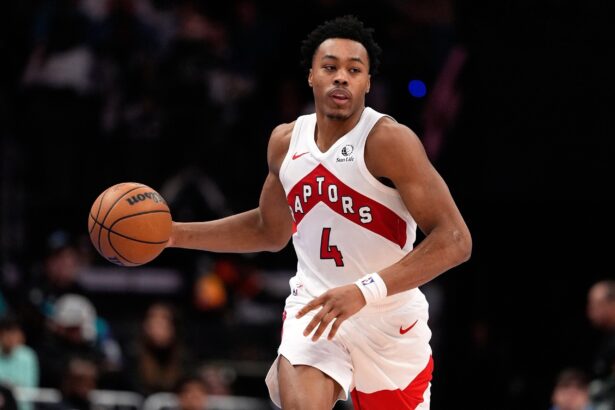
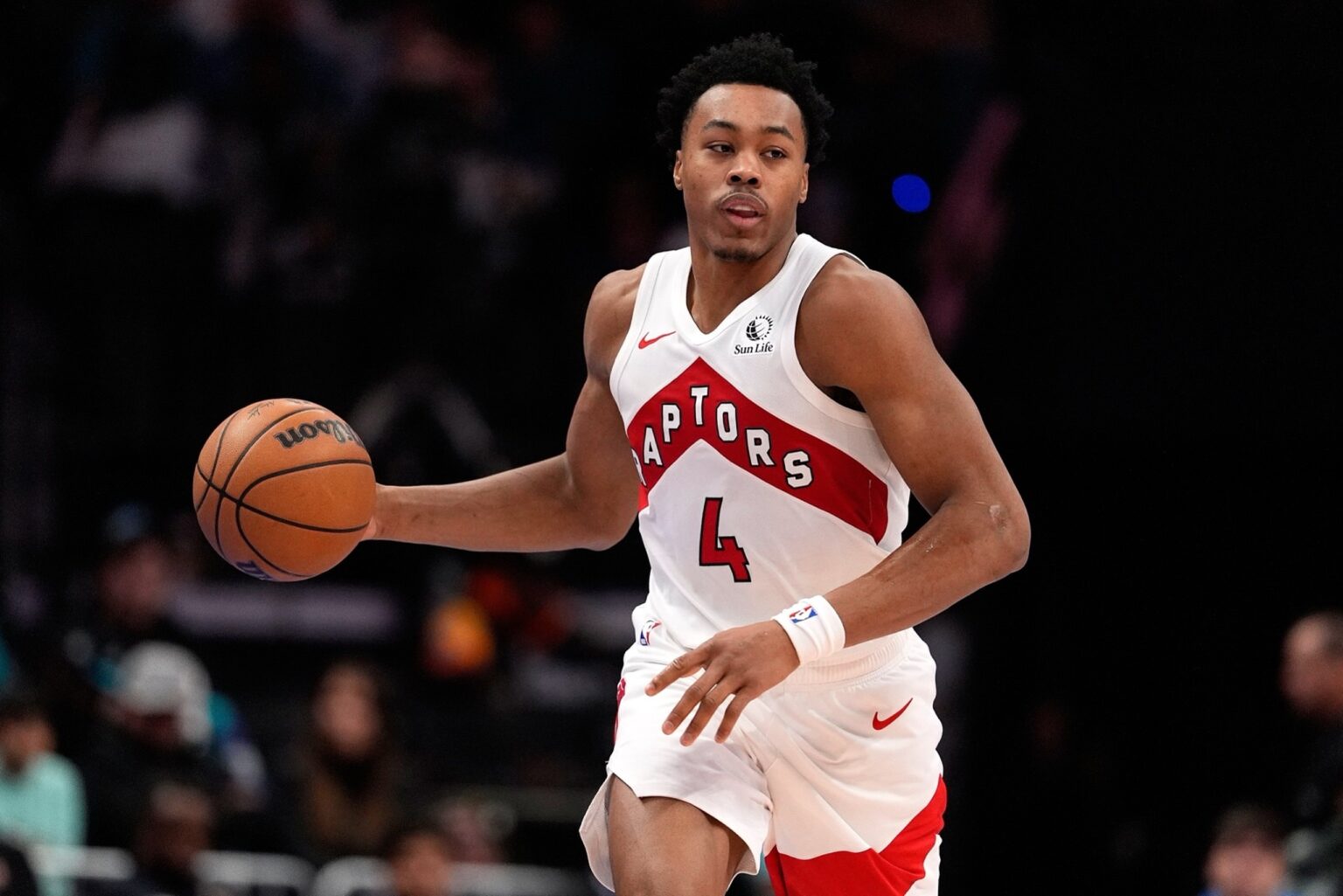
Scottie Barnes delivered one of his most complete performances of the season, finishing with 25 points on 10-16 shooting, along with 8 rebounds, 5 assists, a steal, and a block.
He dictated tempo offensively, picking his spots efficiently while also facilitating within the flow. Barnes wasn’t forcing offense; he was reading it, and Miami had no answer for his versatility.
Defensively, his activity helped fuel Toronto’s transition game. When your best player impacts every phase like that, it tends to snowball quickly, and it did.
2. Toronto Dominated The Paint In A Major Way
This game was decided inside. The Raptors outscored the Heat 70-34 in the paint – a staggering gap that speaks to physicality and execution.
Jakob Poeltl (17 points on 8-13 shooting) and Brandon Ingram (23 points) consistently found high-percentage looks near the rim. Toronto didn’t settle; they attacked.
Meanwhile, Miami simply couldn’t protect the interior. Despite having Bam Adebayo, the Heat allowed wave after wave of paint touches, which collapsed their defense and opened everything else.
3. Miami’s Shooting Collapse Sank Any Chance
Miami Heat shot 36% from the field and just 27% from three (12-44). Their shooting was so poor that keeping the game close was unrealistic.
Andrew Wiggins led Miami with 24 points scored on 8-13 shooting, but the rest of the team was shooting worse. Bam Adebayo scored 7 points on 2-13 shooting, which is poor for someone in his position and of his status, considering he dropped 83 points in a single game not too long ago.
When one of your primary offensive sources is deeply struggling, all the important factors, such as spacing, timing, and confidence, begin to break down.
4. Raptors’ Ball Movement And Depth Stood Out
Toronto’s offense wasn’t just efficient, it was connected. They finished with 34 assists compared to Miami’s 26, consistently generating quality looks.
Jamal Shead was a quiet engine off the bench, dishing out 11 assists in just 24 minutes, helping maintain offensive flow when starters rested.
Add in contributions from players like RJ Barrett (16 points, 8 rebounds) and strong bench production (+23 from Sandro Mamukelashvili), and it becomes clear this was a full-team performance – not a top-heavy one.
5. Rebounding And Defensive Pressure Sealed It
The Raptors won the rebounding battle 56-44 and grabbed 15 offensive boards, repeatedly creating second-chance opportunities that crushed Miami’s momentum.
Defensively, they forced 15 turnovers and converted them into 18 points, while also holding the Heat to just 34 points in the paint – a sign of disciplined interior defense.
When you combine control of the glass, defensive activity, and efficient offense, you get exactly what this game looked like: one team dictating everything, and the other reacting too late.