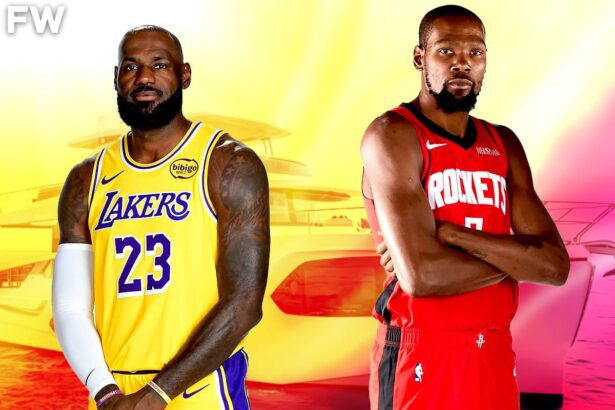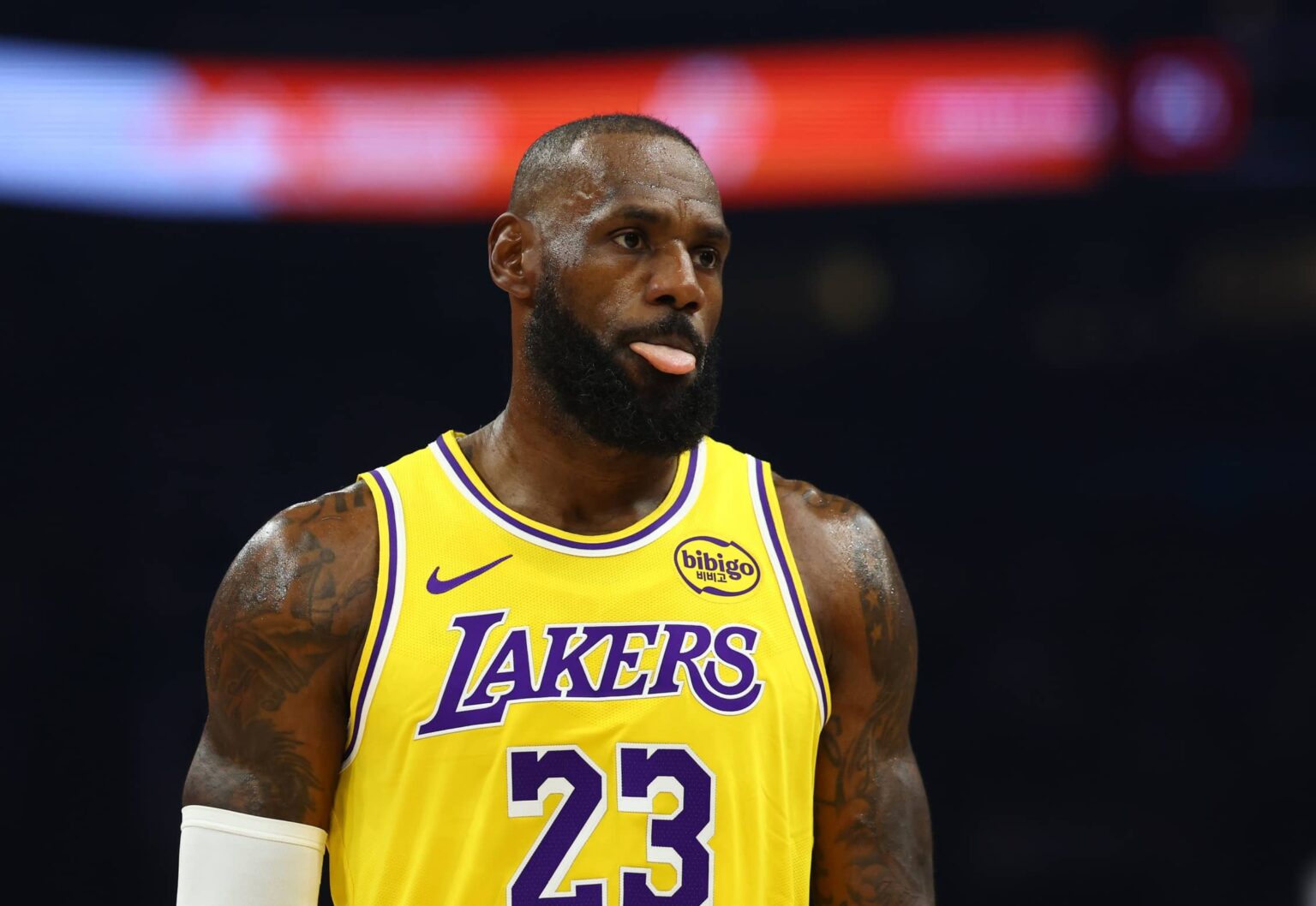
When Rich Paul sat down with Max Kellerman on the Game Over podcast, the conversation drifted into familiar but still uncomfortable territory: awards, narratives, and why LeBron James does not have the trophy case many believe his career demands.
Max Kellerman: “Jordan deserved so many MVPs he didn’t get. MJ deserved 10 MVPs. It’s ridiculous that he didn’t get 10, and LeBron probably should have gotten seven at least.”
Rich Paul: “He should have got seven, yeah, and Defensive Player of the Year. He never would’ve gotten unanimous because he did things his way, and people don’t like when you do things your way, especially in sports.”
Kellerman did not hesitate. In his view, Michael Jordan should have won 10 MVPs, and LeBron should have at least seven. Rich Paul agreed, then went a step further. According to Paul, LeBron also should have won Defensive Player of the Year in 2013, an award that has never landed in his hands despite years of elite, multi-position defense.
Paul’s explanation was not about basketball. It was about perception.
That line cuts to the heart of LeBron’s award history.
LeBron officially has four MVP awards, which already places him among the greatest ever. But the deeper context tells a different story. He has finished second four times, third three times, fourth twice, fifth once, and even sixth twice, along with multiple top-10 finishes. No superstar in league history has lived that close to the MVP line for that long without crossing it more often.
Several seasons still sting for his supporters.
The first is 2005–06, when Steve Nash won his second straight MVP. Nash had a brilliant year orchestrating the Suns’ offense, but LeBron carried a far heavier load in Cleveland, posting monster numbers and dragging a limited roster into relevance. Many felt value was confused with narrative momentum.
Then came 2010–11, perhaps the most infamous case. That season belonged statistically to LeBron, but the MVP went to Derrick Rose. Rose was electric and deserved recognition, but the backdrop mattered. LeBron had just joined Miami, becoming the league’s villain overnight. Voter fatigue and backlash were real, and Paul’s point about ‘doing things your way’ has never felt more accurate than that year.
Another controversial moment came in 2019–20, when Giannis Antetokounmpo won MVP. Giannis had a dominant season, but LeBron led the league in assists while guiding the Lakers to the top of the West in his first full year back from injury. Many believed the award could have gone either way. Momentum again chose otherwise.
The Defensive Player of the Year discussion may be even harder to explain. In 2012–13, LeBron finished second to Marc Gasol, despite anchoring an elite Heat defense and guarding all five positions. Gasol did not even make First Team All-Defense that year, a contradiction that still confuses fans. For many, that was the clearest example of LeBron’s defensive impact being acknowledged without being rewarded.
What Rich Paul ultimately highlighted was not injustice, but reality. Awards are shaped by storylines, comfort, and voter emotion as much as performance. LeBron challenged norms, controlled his career, and refused to fit neatly into expectations. That independence elevated his influence but cost him hardware.
Seven MVPs and a DPOY may never appear on LeBron’s resume. But the voting patterns, near-misses, and debates around them only reinforce one thing: his greatness was never in question, even when the ballots said otherwise.