When Rich Paul was asked to explain why Ben Simmons never became the superstar many expected, his answer was blunt, uncomfortable, and revealing. It had nothing to do with talent, injuries, or bad luck but had everything to do with mindset.
On the Game Over podcast, Paul drew a clear line between players who love the game itself and players who love what the game gives them. In his view, Simmons’ career followed the second path.
“Those are two different scenarios, because the difference is everything that Ben wanted to happen for Ben happened for Ben. He was the number one pick in the draft. He was the Rookie of the Year. He was a perennial All-Star. He was All-NBA. And he got the max contract.”
“There’s two ways to go about this. Either you love what the game brings you, or you love the game. And when you play this game for so long as a kid, most kids don’t say, ‘Oh, I want to get to the NBA and I want to be great in the NBA for 15 years.”
“They dream of making it to the NBA. And so you’re going up that mountain. You’re going up that mountain. Some guys get up that mountain and say, ‘Phew, I made it.’ The point I’m trying to make is some guys get there and are like, ‘Okay, good. I got up here. Now I’m going to go back down.’”
“Some guys get there and are like, ‘Okay, now I want to go higher.’ And that’s the difference.”
For a period of time, Simmons looked like a franchise star. From 2017 to 2021, he was one of the most unique players in the league. A 6-foot-10 point guard who could guard every position, push pace, and dominate defensively. He made three All-Star teams, earned two First Team All-Defense selections, and was named to an All-NBA team.
But cracks formed early, especially on the offensive end. Simmons never developed a jumper, never embraced late-game scoring responsibility, and gradually became hesitant in moments that demanded aggression. That hesitation reached its breaking point during the 2021 playoffs with the Philadelphia 76ers, when his refusal to take open shots became a defining storyline. Confidence collapsed, trust eroded, and his relationship with the franchise unraveled.
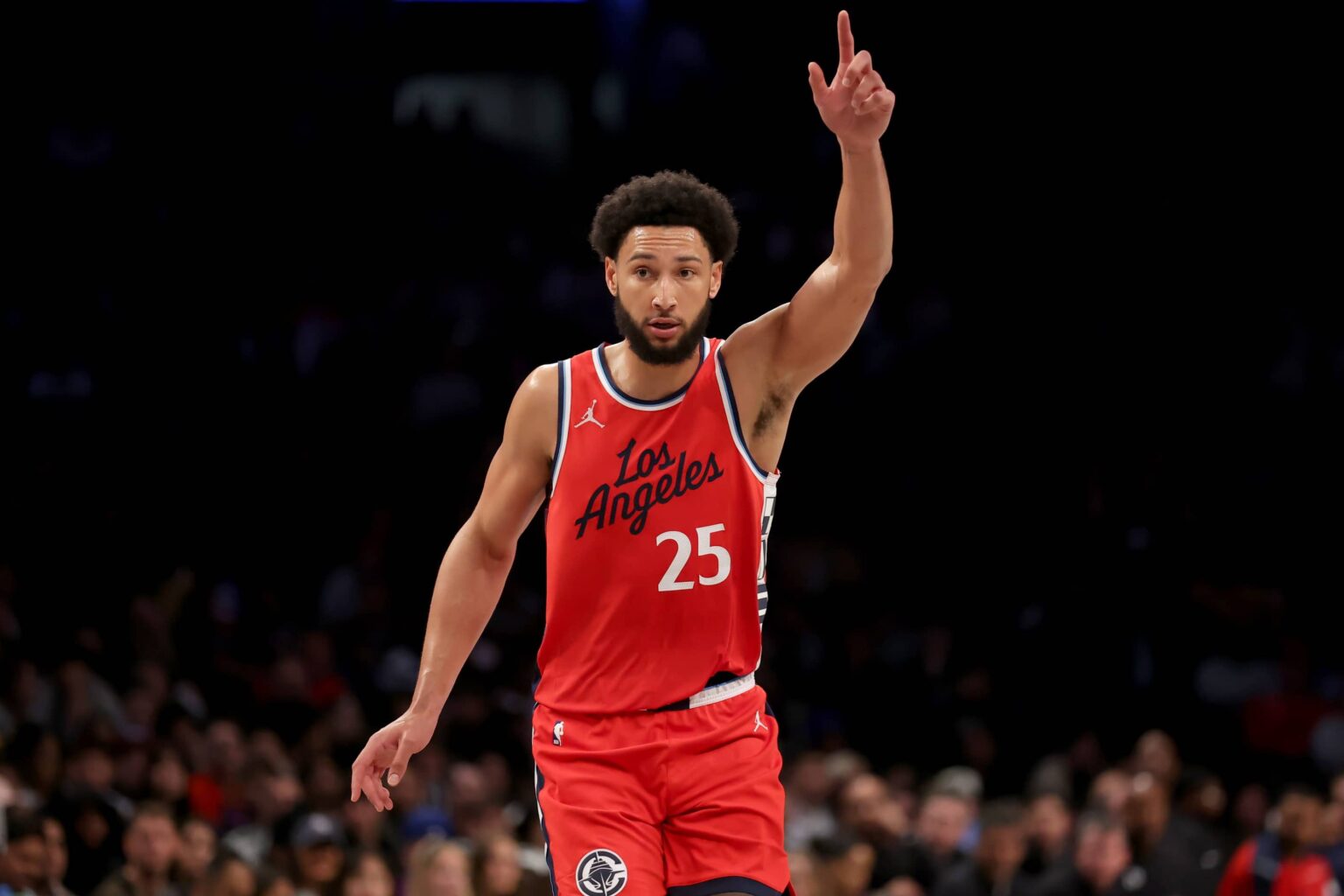
The trade to the Brooklyn Nets was supposed to be a reset. Instead, injuries, mental health struggles, and long absences turned it into another dead end. His brief stint with the Los Angeles Clippers followed the same pattern. Flashes of defense and playmaking appeared, but the overall impact never returned to what it once was.
Last season told the harsh truth. Simmons averaged just 5.0 points, 4.7 rebounds, and 5.6 assists while opponents openly ignored him offensively. In today’s NBA, a non-shooting guard who shrinks spacing is almost impossible to build around, regardless of defensive ability. Teams no longer wait for potential when reliability is at a premium.
Now 29 and currently without a team, Simmons has made it clear he is not rushing a comeback. He has said he does not want to ‘waste an NBA spot’ by returning before he can give everything physically and mentally. It is a mature perspective, but it also reflects how fragile his standing in the league has become.
Rich Paul’s point was not meant to shame Simmons. It was an observation about hunger. Simmons achieved basketball’s biggest milestones early, before developing the obsession required to sustain greatness. The league caught up. Expectations rose. And when adversity finally arrived, there was no second gear waiting.
Ben Simmons’ story is not over, but it is a warning. Talent can take you far, but love for the grind is what takes you higher. And in Paul’s eyes, that difference explains everything.