Every NBA roster is shaped by stars at the top and reserves at the bottom. While max contracts make the headlines, it’s often the league-minimum and near-minimum deals that quietly keep teams flexible. These are the players who practice just as hard, fight for every rotation minute, and often outperform the number attached to their paycheck.
In a pool of young players on rookie deals or players trying to fight for an NBA spot, here’s the lowest-paid player on every NBA team, and perhaps why each one still matters.
Note: Two-way players and 10-day contracts are not included.
Atlanta Hawks
Nikola Djurisic – $1,272,870
Belgian youngster Nikola Djurisic represents the Hawks’ continued bet on international upside. Still early in his NBA journey, he’s viewed internally as a long-term development piece rather than an instant contributor.
Atlanta values his size and feel for the game, even if the box score hasn’t caught up yet, without an appearance in the league so far. Hopefully, the swingman can be another player from overseas to make a longer-term impact in the NBA.
Boston Celtics
Jordan Walsh – $2,221,677
As simple as it may sound, Walsh has one of the more difficult roles in Boston: defend, bring energy, and wait his turn. Breaking into a playoff-level rotation is difficult, but the Celtics have faith in Walsh’s length and motor at positions of need when injuries or matchups arise.
He won’t play a ton (only 19.1 MPG this season), but he’ll always bring his all. For a contender, that trust is valuable (5.9 PPG, 4.6 RPG). The Celtics were high on Walsh when they originally drafted him, so he will likely occupy a bench spot for the foreseeable future.
Brooklyn Nets
Tyrese Martin – $2,191,897
Martin has somehow fought through roster turnover and shifting roles, but Brooklyn continues to believe in his toughness. He’s carved out minutes by defending multiple positions and staying ready when called upon.
On a Nets team still defining its identity, Martin’s willingness to adapt keeps him relevant with an average of 7.9 PPG this season. At 6’6″ with solid two-way potential, the 26-year-old might be in a strong position to fight for an NBA spot moving forward.
Charlotte Hornets
Moussa Diabate – $2,270,735
Diabate’s value lies in his energy, with an average of 24.6 MPG. He runs the floor, attacks the glass (8.3 RPG), and plays with a physical edge Charlotte badly needs. While his offensive game remains limited, his rebounding and hustle translate every night.
For a rebuilding team, that kind of effort sets a tone. The next steps for Diabate are to develop a semblance of a long-range shot, but improving his production with more minutes is the likely scenario to get him more minutes.
Chicago Bulls
Julian Phillips – $2,221,677
Phillips’ deal stands out, but his role remains developmental. Chicago continues to bet on his defensive versatility and athletic upside, even if the offense is still evolving. He’s often tasked with guarding the toughest wings, a responsibility that doesn’t always show up statistically.
The Bulls are playing the long game, so Phillips is getting 9.7 MPG with 30 appearances this season so far. His minutes have fallen from 14.2 MPG last season, but that shouldn’t deter the 22-year-old swingman. Compared to some of the youngsters who will be mentioned, Phillips’ ceiling is somewhat interesting in a positive way.
Cleveland Cavaliers
Tyrese Proctor – $1,272,870
The 21-year-old Proctor enters the league with maturity beyond his years, something Cleveland’s staff appreciates. While he’s not being rushed into a major role, his basketball IQ and calm decision-making stand out in practices.
The Cavaliers see him as a future rotation guard if the growth continues. At the minimum, it’s a smart long play because he is only playing 4.8 PPG, but you never know how quickly players can develop in the right situation.
Dallas Mavericks
Brandon Williams – $2,270,735
Williams has become a trusted depth guard in Dallas by staying composed next to high-usage players, including Cooper Flagg. He doesn’t hijack possessions and understands spacing alongside elite scorers.
He has been one of the biggest surprises of the season, posting 12.1 PPG and 3.7 APG in 22.1 MPG for the Mavericks. Out of all the “cheapest” players on an NBA roster, Williams has to rank among the very best in terms of production and potential.
Denver Nuggets
Hunter Tyson, Jalen Pickett – $2,221,677
At 25 years old, Tyson is learning behind one of the league’s deepest rotations, which limits his minutes (7.8 MPG in 17 appearances) but accelerates his education. Denver likes his shooting stroke and willingness to defend multiple positions.
He’s not asked to do much, just do it right. On a title contender, that restraint is essential. The same goes for Jalen Pickett, a 26-year-old shooting guard posting 6.3 PPG in 18.9 MPG. With the injuries to Nikola Jokic and Aaron Gordon, role players have been given bigger roles on the Nuggets this season.
Detroit Pistons
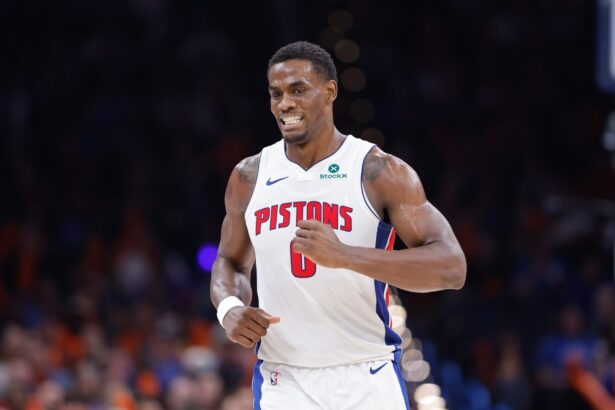
Chaz Lanier – $1,272,870
Lanier is still fighting to establish himself at the NBA level (3.3 PPG in 9.6 MPG), but Detroit’s rebuild gives him breathing room. His shooting ability is what keeps him in the conversation. The Pistons are willing to experiment, and Lanier benefits from that patience.
His deal reflects opportunity more than expectation. Lanier, at 24 years old, has a chance to earn more minutes, but he has to make it clear sooner than later since the Pistons believe they can contend immediately.
Golden State Warriors
Will Richard – $1,272,870
Richard is another developmental flier for Golden State, a team known for maximizing role players. He’s being asked to defend, space the floor, and absorb the Warriors’ complex system. The learning curve is steep, but the environment is ideal.
At this price, it’s a low-cost investment in culture because the 23-year-old is averaging 7.1 PPG and 2.5 RPG on 36.8% from deep. Steve Kerr believes in him, and based on how he is careful about who to trust (hint: Jonathan Kuminga), that has to mean something at least.
Houston Rockets
Jae’Sean Tate – $2,296,274
Tate is one of Houston’s tone-setters when a burst of energy is needed. He guards everyone, plays through contact, and never coasts. As the Rockets add more talent, Tate’s role has evolved, but his importance hasn’t faded.
He’s the embodiment of effort outweighing salary, and the player is averaging 2.6 PPG in 7.7 MPG. For an Ime Udoka-led team, a player who is built physically and plays with toughness will likely always have a spot on the Rockets roster. Unless a trade comes along to improve the roster before the trade deadline, Tate has to stay ready when his number is called.
Indiana Pacers
Kam Jones – $1,272,870
Jones is in Indiana as a scorer, trying to translate his confidence to the pro level. The Pacers like his aggressiveness and shot-making instincts. Earning consistent minutes will be the challenge.
Still, his rawness (1.8 PPG in 7.3 MPG) gives him a clear path to relevance. The 23-year-old has a ways to go, but you never know when his opportunity will come up since he was taken No. 38 overall in the 2025 Draft, and there won’t be too much pressure on him moving forward.
Los Angeles Clippers
Cam Christie – $1,955,377
Christie is a long-term project (only 20 years old) on a veteran-heavy roster. The Clippers are in no rush, allowing him to develop behind experienced wings. His shooting and size are intriguing (3.7 PPG in 29 games), even if the results come slowly.
For a team chasing now, his contract is about the future, which is rare. The Clippers have so many veterans that youngsters seem to be forgotten, but Christie has a chance to be a long-term piece because he can be one of the saving faces for the franchise’s future.
Los Angeles Lakers
Adou Thiero – $1,272,870
Thiero’s calling card is defense and effort, two traits the Lakers always need around their stars. He doesn’t require plays to stay engaged and embraces physical matchups. His offensive game is a work in progress (1.3 PPG in 15 games), but the energy is real.
On a minimum deal, that’s somewhat of a win. Taken No. 36 overall in the 2025 Draft, Thiero hopes to be a part of Luka Doncic’s team moving forward and once the LeBron era ends. So far, he hasn’t proven to be untouchable so he has to earn his stripe with JJ Redick in practice and in the locker room.
Memphis Grizzlies
Jaylen Wells – $1,955,377
Wells has quietly worked his way into Memphis’ rotation conversations with his shooting and discipline. The Grizzlies value players who know their role and don’t overreach. He fits that mold perfectly, posting 11.9 PPG in 27.0 MPG over 42 appearances.
His deal reflects trust in fundamentals, and it makes sense why he is regarded as one of the best NBA players making under $2 million. No doubt, the 22-year-old will soon be in line for a long-term extension because his talent is more than clear to see.
Miami Heat
Keshad Johnson, Pelle Larsson – $1,955,377
The 24-year-old Johnson feels like a Heat culture success story in progress. He defends, rebounds, and plays with physicality regardless of role. Miami trusts players who compete every possession, and Johnson checks that box.
The opportunity will come if the effort stays constant, even if he is only playing 7.9 MPG so far this season. The same goes for Pelle Larsson, the 6’5″ shooting guard who is averaging 9.7 PPG and 3.3 APG in 23.2 MPG. The Heat might be onto something with their current crop of youngsters.
Milwaukee Bucks
Andre Jackson Jr. – $2,221,677
Jackson (1.9 PPG in 18 games) brings athleticism and defensive versatility to a Bucks team loaded with confusing talent. His offense remains raw, but his energy changes the pace when he’s on the floor. Milwaukee trusts him to guard tough assignments.
That trust matters more than his salary. Playing on a struggling team that has expectations isn’t the best situation to be in, but the 24-year-old has time to correct that narrative for himself, at the very least.
Minnesota Timberwolves
Jaylen Clark – $2,191,897
Jaylen Clark is still working back to full rhythm, but Minnesota likes his defensive instincts. He’s viewed as a potential perimeter stopper who can complement their star-heavy lineup. The minutes are limited for now (14.1 MPG).
Development is the priority, although it won’t come too easily with Anthony Edwards looking to make the Timberwolves a contender. Still, Clark looks like a T’Wolves player in terms of playing style and athleticism. We don’t anticipate that Clark loses a bench spot on the team moving forward.
New Orleans Pelicans
Micah Peavy – $1,272,870
Peavy is fighting for visibility on a crowded Pelicans roster, posting 4.9 PPG in 16.1 MPG over 38 appearances. His versatility and defensive mindset give him a chance to stick. New Orleans values players who can adapt night to night.
His deal buys him time to prove it, but he won’t be able to help team wins since the Pelicans continue to struggle on both ends of the court. At 24 years old, he has to start making an impact soon because the team might be inching closer than ever to blowing their roster up and moving everyone.
New York Knicks
Mohamed Diawara – $1,272,870
Diawara is still fighting to establish himself, and his defensive effort is starting to align with the Knicks‘ identity. He is physically aggressive and takes on any challenge. He has 36 appearances this season, even though developing rookies takes time, and is averaging 5.1 MPG.
His contract allows the team to wait on him because being 20 years old only works in his favor. Playing behind the likes of Josh Hart, Mikal Bridges, and OG Anunoby at the swingman and forward positions won’t help his minutes too much in terms of a short-term view.
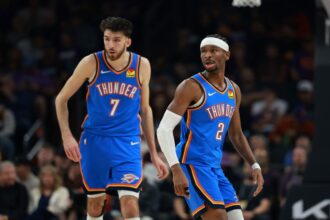
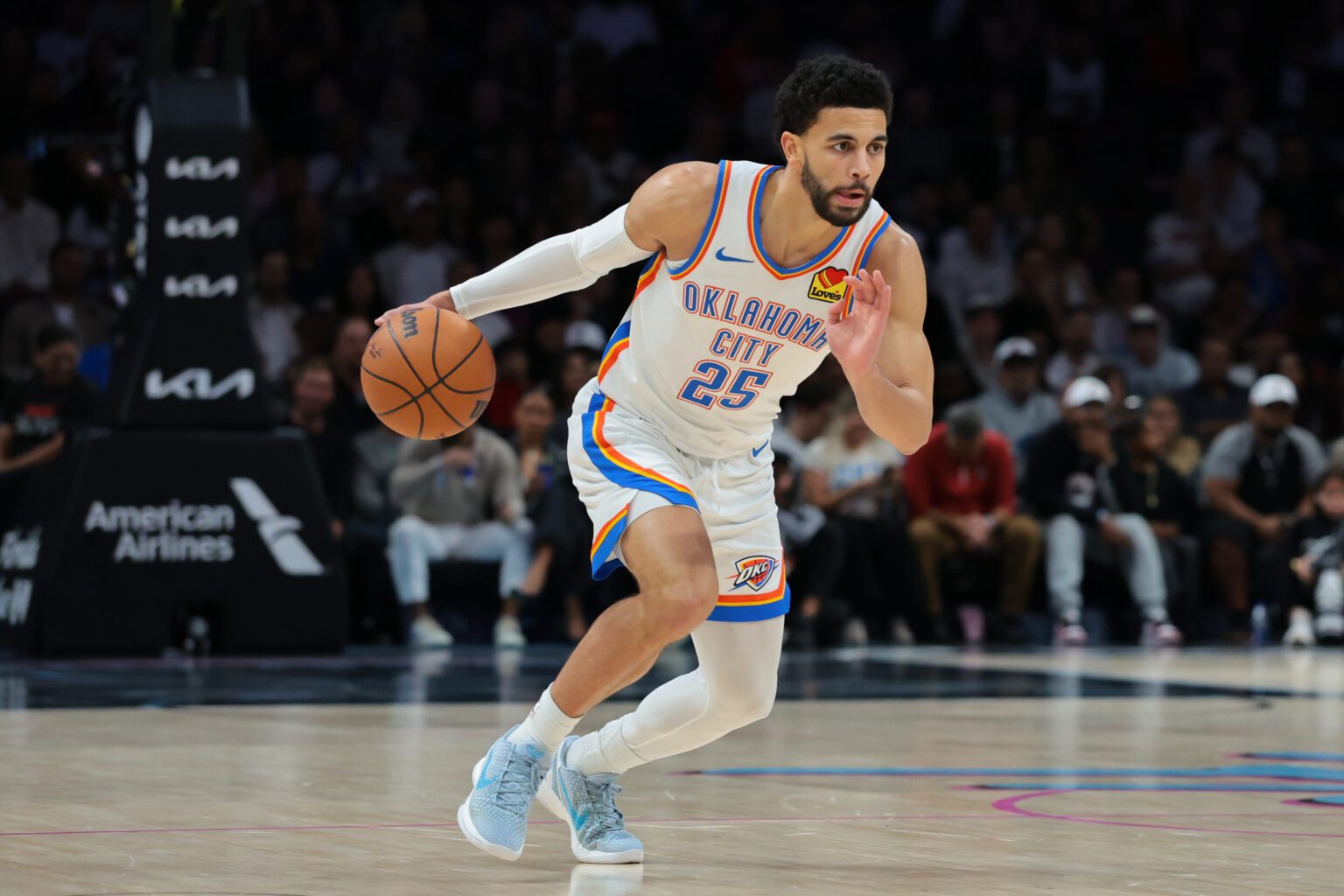
Oklahoma City Thunder
Ajay Mitchell – $3,000,000
Mitchell’s salary may surprise you, but his role in OKC is legitimate because he is posting a very impressive 14.0 PPG and 3.7 APG on 48.2% from the field in 26.3 MPG. He’s trusted with real minutes and responsibilities in a structured system.
The Thunder values guards who make quick decisions and defend. Mitchell has earned that trust, and he will earn a bigger contract in due time. Out of all the players making minimum dollars, Mitchell might rank first overall in terms of impact and production. No doubt, Mitchell will look to ride this momentum and help impact the Thunder for a chance to win another title.
Orlando Magic
Noah Penda – $1,272,870
Penda is another international prospect whom Orlando is patiently developing, as the 21-year-old is averaging 5.0 PPG and 4.1 RPG in 27 appearances. His length and defensive instincts intrigue the coaching staff. The offense is still catching up, but the foundation is there.
The Magic are willing to wait, but not too long. Penda was taken No. 32 overall in the 2025 Draft, and as a Frenchman in a decent market, he has to compete to stay relevant in the NBA in due time.
Philadelphia 76ers
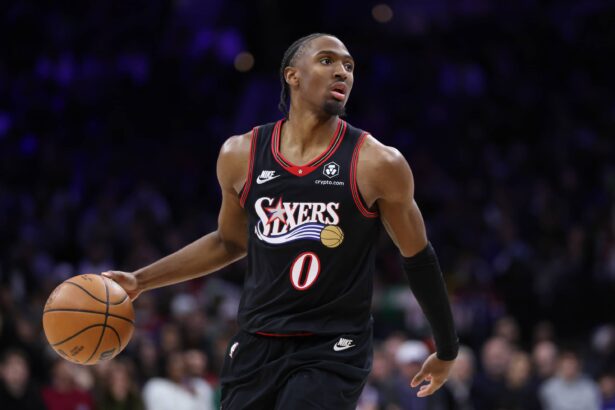
Johni Broome – $1,272,870
Broome enters the league with a reputation as a physical interior presence, with only seven appearances so far this season. Philadelphia values his rebounding and toughness behind their stars. He’s still adjusting to NBA speed, but the effort translates.
For a minimum deal, he offers immediate utility and a backup in case the injury bug hits Joel Embiid again. In seven appearances, Broome is posting 1.4 PPG and 1.9 RPG, so his numbers don’t leap off the page, but you never know when his number could get called up.
Phoenix Suns
Rasheer Fleming – $1,272,870
Fleming is a depth piece as a 21-year-old on a Suns roster built around star power. His job is to defend, rebound, and stay ready. Phoenix doesn’t need him to do more than that.
Simplicity is the assignment, which is why he is posting 2.6 PPG and 1.3 RPG in 24 appearances. Taken No. 31 overall, the Suns aren’t expecting too much from him, and that might help his development. However, we can’t say that Fleming has the highest ceiling ahead of others on this list as well.
Portland Trail Blazers
Toumani Camara, Rayan Rupert, Duop Reath – $2,221,677
Toumani Camara is one of the standout players on this list, and he is posting 13.0 PPG and 5.1 RPG on 35.4% from deep while playing above-average defense on the perimeter. Most importantly, the Trail Blazers are giving him room to grow.
The 21-year-old Rupert (2.6 PPG, 1.7 RPG) remains one of Portland’s more intriguing long-term projects. His length and defensive upside stand out, even as his offense develops. Reath is 29 years old, and averaging 2.9 PPG in 32 games, so his position is one of a bench role to fill out a roster spot rather than a long-term investment like Camara and Rupert.
Sacramento Kings
Maxime Raynaud – $1,272,870
Raynaud is starting to find his footing, but Sacramento likes his size and skill combination (10.0 PPG and 6.6 RPG in 23.4 MPG). He’s learning behind established frontcourt pieces, which allows him to develop without pressure.
His role may be small now, but the Kings are thinking ahead. Raynaut has had some big performances this season in limited spurts, and he has enough of a soft touch around the basket to remain relevant. So far, the French big man has proven he can be effective depending on the matchup he is in.
San Antonio Spurs
Lindy Waters III, Jordan McLaughlin, Bismack Biyombo – $2,461,463
Waters has become a bench presence in San Antonio’s rotation (2.1 PPG in 26 games). His shooting and basketball IQ fit seamlessly with the Spurs’ system. He understands spacing and timing, which earns trust quickly.
Also, McLaughlin’s deal feels like quiet value. The point guard is averaging 2.2 PPG and 0.8 APG in 19 appearances, while veteran center Bismack Biyombo is averaging only 5.9 MPG in 11 appearances as a security backup for Victor Wembanyama.
Toronto Raptors
Jamal Shead, Jamison Battle, Jonathan Mogbo – $1,955,377
Averaging 7.3 PPG in 46 games, Jamal Shead brings defensive intensity and leadership well beyond his contract. Toronto values his toughness at the point of attack.
Not to mention, even when the offense isn’t there, Jamison Battle’s effort doesn’t waver. That consistency keeps him in the picture, posting 8.8 MPG. Mogbo, the 24-year-old power forward, only has 20 appearances and hopes to play more as the No. 31 overall pick in the 2024 Draft.
Utah Jazz
Isaiah Collier – $2,638,200
Collier has been handed real responsibility early (posting 8.9 PPG and 6.6 APG in 36 games), and Utah hasn’t shied away from letting him learn on the fly. His size and playmaking ability stand out, even through mistakes.
The Jazz see him as a core piece in progress. His deal reflects belief, and quite frankly, we believe Collier has shown enough to be respected as a long-term backcourt piece. In terms of potential, which might be star-level, the point guard has one of the highest ceilings on the list.
Washington Wizards
Anthony Gill, Marvin Bagley III – $2,349,578
For the Wizards, minimum deals won’t do much. They are heading to the lottery, but need to fill out the roster regardless. Anthony Gill has a role in the NBA beyond being a player, but he is posting 4.3 MPG in bench minutes so far.
Marvin Bagley III, one of the recent and unfortunate busts as a former No. 2 overall pick in the 2018 Draft, is having a strong year, posting 10.0 PPG and 5.7 RPG, but we truly expected an All-Star-like impact from him coming into the league.