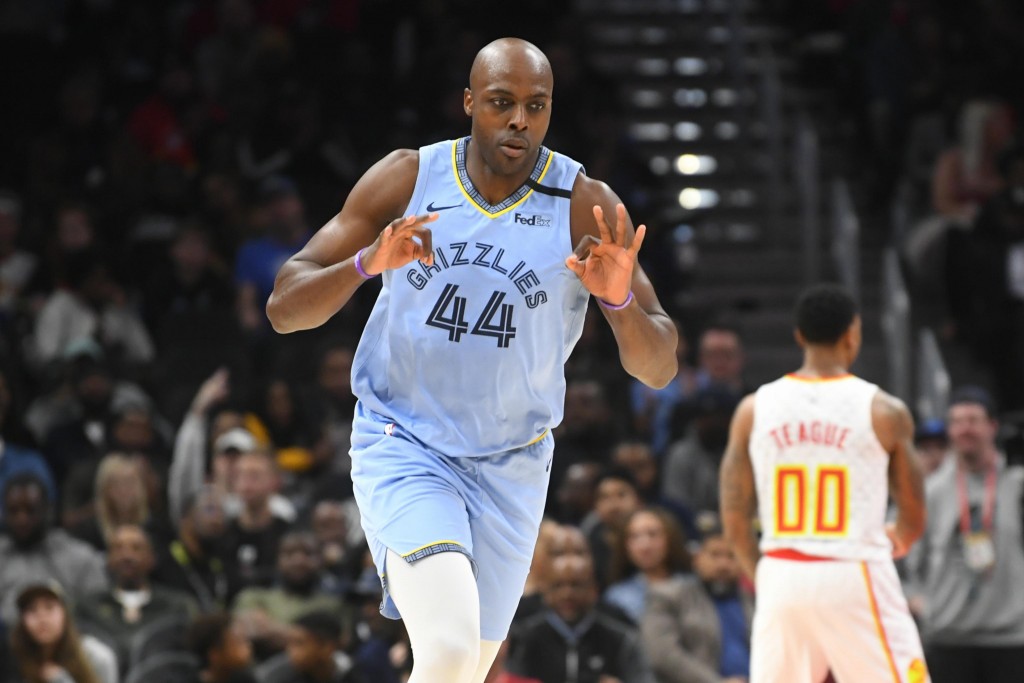
Former NBA veteran Anthony Tolliver is pushing back against one of the biggest myths in professional sports, that playing in the NBA automatically makes you wealthy.
Tolliver, who spent 13 seasons in the league and earned roughly $36.6 million in career salary, recently took to Instagram to challenge the financial illusion surrounding NBA money. His message was simple but direct: high income does not equal wealth.
“I was able to make a lot of money playing basketball. But I wouldn’t call almost anybody playing basketball wealthy. And the reason why I say that is because, you know, our money that is coming in is dependent on us playing basketball. Whenever you have money coming in that has nothing to do with your day-to-day job that covers everything that you do in life, that’s wealth.”
That distinction is critical. NBA players earn massive salaries, but those checks are tied directly to performance and availability. Once the games stop, the income stops. What Tolliver is describing is the difference between being a highly paid employee and being financially independent.
He doubled down in his caption.
“Too many athletes go broke because they never turn short-term income into long-term wealth. I decided early on to treat my NBA income as a tool, not a finish line.”
“I put it to work — investing in real estate, startups, and businesses that could grow long after the final buzzer. To me, true wealth is simple: it’s when your money works harder than you do.”
“When you have income streams that show up whether you’re on the court, at home with your family, or even retired… and they cover your life with margin. That’s real wealth. That’s legacy.”
Tolliver’s perspective carries weight because he was not a max contract superstar. He was a respected role player who carved out a long career through professionalism and shooting ability. His largest deal was a two-year, $16 million contract. After federal and state taxes, agent commissions, union fees, and lifestyle costs, that figure shrinks significantly.
Many fans see $30 to $40 million in earnings and assume lifetime security. The reality is more complicated. Studies have shown that a significant percentage of former professional athletes face financial hardship within years of retirement. The reasons vary: overspending, poor investments, lack of financial literacy, or misplaced trust in advisors, but the pattern is consistent.
Tolliver decided early that he did not want to be another cautionary tale. Instead of treating NBA money as permanent, he treated it as seed capital. Real estate, startup investments, and business ownership became part of his long-term strategy. The goal was passive income streams that would continue long after his playing career ended.
His comments also highlight a broader truth about professional sports. NBA salaries are labor income, not equity. Players trade skill and time for money. That is fundamentally different from owning assets that generate returns regardless of whether you step on the court.
Tolliver is far from the only former player to speak on this issue.
Gilbert Arenas has repeatedly warned young players about lifestyle inflation, specifically pointing to oversized mansions as a financial trap. Arenas explained that buying a house with ten or fifteen empty rooms does not just mean higher mortgage payments. It means higher property taxes, more staff, more utilities, and ongoing maintenance that bleeds cash every month. For players whose income window may only last a decade, fixed costs at that scale can quietly drain millions.
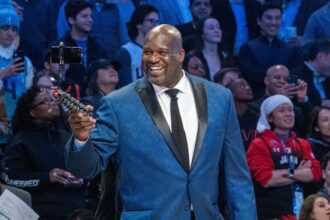
Shaquille O’Neal has echoed similar concerns. Shaq has openly said, ‘It’s easy to spend $100 million.’ Between taxes, agents, managers, entourages, cars, jewelry, and helping family members, large fortunes can shrink quickly. O’Neal has often emphasized that young players underestimate how fast money moves once spending becomes a lifestyle.
Lou Williams broke it down even more bluntly, describing how some players go from millionaire to ‘high thousandaire’ within five years of retirement. The reason is simple math. Multiple homes, luxury cars, private school tuition, travel, security, friends on payroll, and extended family obligations add up. Without investments generating income, savings become a countdown clock.
Tolliver’s career earnings may look massive on paper, but after federal and state taxes, agent fees, and union deductions, the net figure is far smaller. Without disciplined investing, even $30 million can erode over time.
Tolliver is not dismissing the privilege of earning NBA money. He acknowledges that he made a lot. What he is challenging is the assumption that income automatically converts into legacy. For athletes entering the league today, that mindset may be the difference between a career that ends at the final buzzer and one that continues to pay dividends long after retirement.