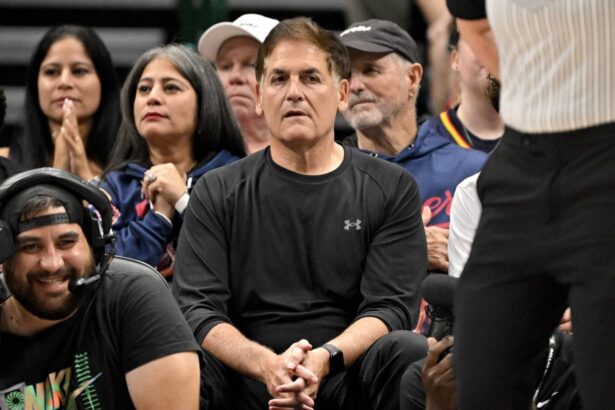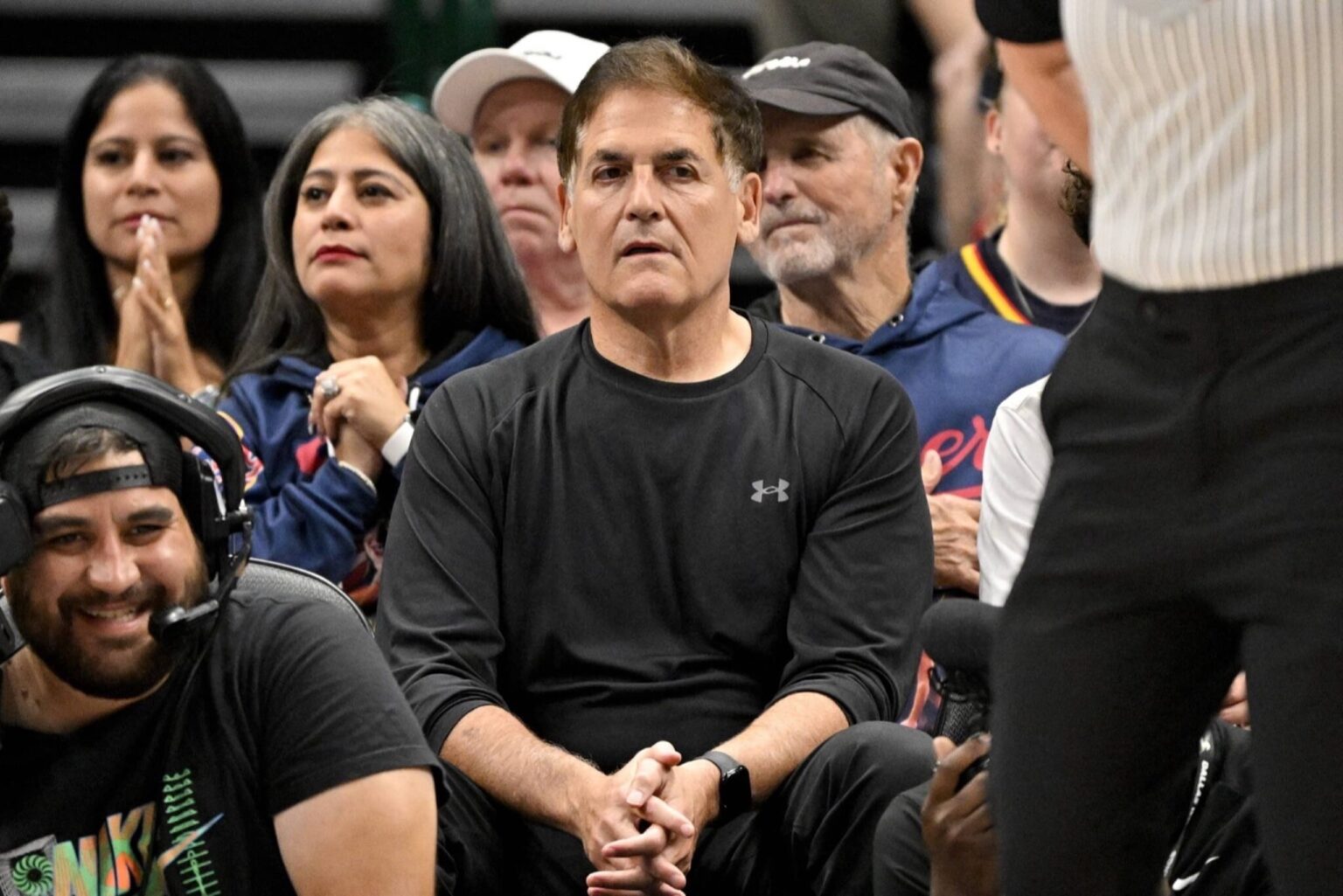
Mark Cuban sat there, watching the team he built spiral into chaos after the Luka Doncic trade. A franchise he once controlled now moved in a direction he didn’t agree with. And for the first time, he wasn’t the one making the call.
That moment explains everything about what he said next. Speaking on the Intersections podcast, Cuban explained why he stepped away from majority ownership, while also admitting one mistake that still bothers him.
“It’s a big emotional commitment. You hear the passion, the swings, the highs and lows. Now imagine going through that every single game. That’s hard. Then there’s family. My kids were getting to the age where they might have wanted to work in that environment, and I didn’t want that for them.”
“It can be abusive. If fans don’t like what you’re doing or the team isn’t winning, you’re the worst person in the world, and they treat you like it.”
When he bought the Mavericks in 2000, he had an edge as a tech-driven owner. Over two decades later, the landscape shifted. Ownership groups now rely on large-scale business ventures like real estate development and potential casino integration to maximize franchise value. Cuban admitted that those areas were not his expertise, which made the sale more logical.
But here’s where it hits you. You can make the right decision for the wrong outcome. Cuban said he didn’t regret selling, yet he clearly regrets choosing the Adelson group led by Miriam Adelson.
“I don’t regret selling. I regret who I sold to. I made mistakes in that process, and I’ll leave it at that.”
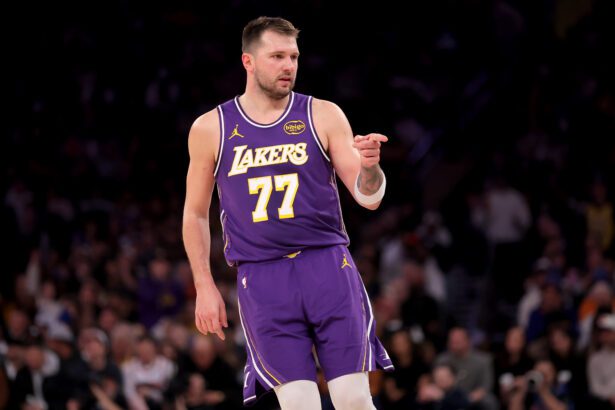
He said he made mistakes during that process and wishes he had handled it differently, including potentially putting the franchise on the open market instead of negotiating directly. That regret has only grown with how things have unfolded since the sale. The Mavericks entered a period of instability, highlighted by the shocking trade of Luka Doncic.
The move was widely criticized and failed to deliver results, with the team struggling and eventually moving on from general manager Nico Harrison. What was framed as a win-now move quickly turned into a long-term setback.
The contrast makes Cuban’s comments hit harder. At the time of the sale in 2023, the franchise was valued at around $3.5 billion. Since then, team valuations across the league have surged, with recent sales like the Los Angeles Lakers reaching $10 billion.
Cuban has already admitted in previous interviews that he wishes he had explored a broader bidding process.
Despite selling a majority stake, Cuban still owns a portion of the team, though his influence continues to decline under the current structure. The agreement allows the new ownership group to increase its stake further, which could reduce Cuban’s role even more in the coming years.
What stands out is the clarity in his message. Cuban does not regret stepping away. He does not miss the pressure, the criticism, or the emotional toll that comes with ownership.
But he does regret the partner he chose. And given how the Mavericks have unraveled since that decision, it is easy to see why that part still lingers.