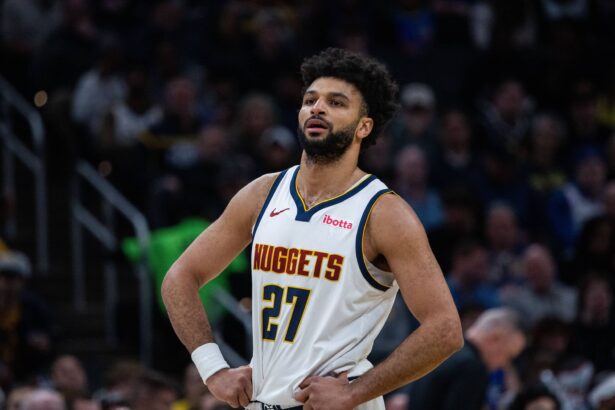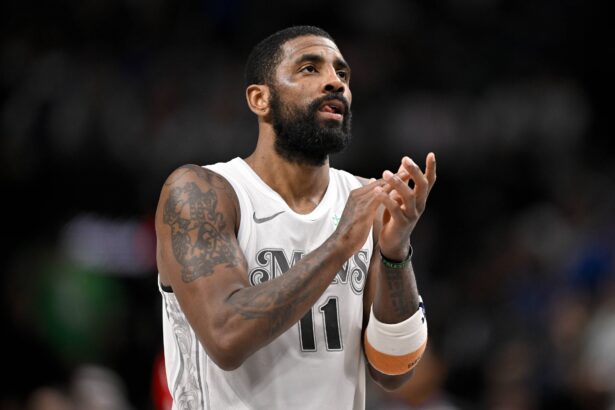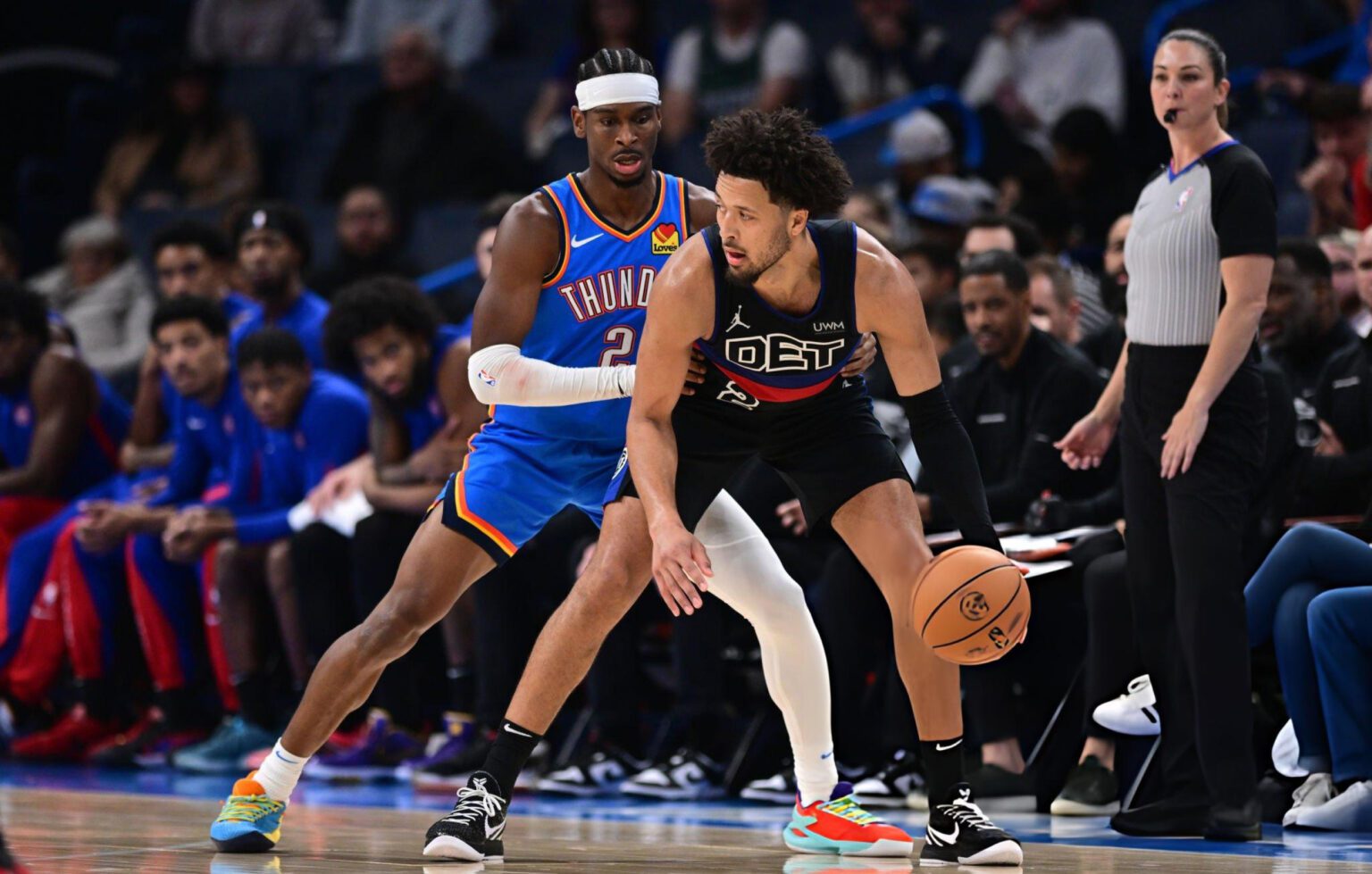
Two jumbo lead guards are running the regular season from the top of the standings, but they’re doing it in completely different ways. Shai Gilgeous-Alexander is the league’s cleanest high-volume scorer, living at the nail and the rim with elite pace control and almost no wasted possessions. Cade Cunningham is the bigger on-ball organizer, a constant advantage-creator who can steer a whole offense through reads, not just shots.
The timing is loud, too. Last night, Gilgeous-Alexander dropped 30 in a Thunder win over the Mavericks. Cunningham answered later with 29 points and 11 assists in a Pistons win over the Magic. Both teams are sitting first in their conference right now, with the Thunder at 47-15 and the Pistons at 45-14.
This is a straight comparison using the exact scoring system from the Fadeaway template.
Points Per Game (PPG)
1. Shai Gilgeous-Alexander: 31.8 PPG (2 points)
2. Cade Cunningham: 25.5 PPG (1 point)
This is the first major separator, because it is not just “more points,” it is more points with a cleaner nightly floor. Gilgeous-Alexander is scoring 31.8 a night on 55.1% from the field, 38.1% from three, and 89.2% at the line, which is a rare efficiency profile for a guard carrying this much creation. The way it shows up is pace and inevitability: he gets to the same spots, makes defenses show help, and still finishes through contact.
Cunningham’s scoring is strong, but it comes with more difficulty and more variance. He is at 25.5 points on 46.0% shooting and 33.2% from three, and the Pistons ask him to take a lot of late-clock bailouts when actions stall. That context matters, but if we’re calling someone “best guard on the planet,” the cleanest first argument is still: can you get 30-plus every night without bleeding efficiency. Shai is doing that.
Rebounds Per Game (RPG)
1. Cade Cunningham: 5.8 RPG (2 points)
2. Shai Gilgeous-Alexander: 4.4 RPG (1 point)
This is where Cunningham’s size shows up like a forward. He is not just grabbing uncontested guard boards, either. The Pistons play bigger, they rebound as a team, and Cunningham is part of finishing possessions so they can run. Those extra rebounds matter because they end defensive possessions clean and they also let him immediately flow into early offense without needing an outlet.
Gilgeous-Alexander is a solid rebounder for his position, but the Thunder build their lineup in a way that doesn’t require him to chase as many boards. His job is often first-pass defense and then instant creation the other way. Cunningham’s edge here is simple: he plays bigger in traffic, and his rebounding is part of the Pistons’ identity.
Assists Per Game (APG)
1. Cade Cunningham: 9.8 APG (2 points)
2. Shai Gilgeous-Alexander: 6.4 APG (1 point)
This category is Cunningham’s calling card. Nearly 10 assists a night means you are creating shots for teammates at a true engine level, not just making the “right play” after you score. Cunningham is manipulating help, tagging the low man, and consistently turning defensive pressure into layups, dunks, and kickout threes. The Pistons’ offense is built around his ability to bend the floor with his eyes and his pace.
Gilgeous-Alexander is a good passer, but the Thunder’s offense is more democratic by design. His 6.4 assists still reflect real creation, but his primary weapon is scoring gravity: he collapses the defense, and the next decision often becomes a quick swing rather than a long possession of reads. If you want the guard who controls the whole possession like a quarterback, Cunningham has the edge.
Steals Per Game (SPG)
1. Cade Cunningham: 1.5 SPG (2 points)
2. Shai Gilgeous-Alexander: 1.4 SPG (1 point)
This is close, and that is the point. Both are high-feel defenders who use length and timing, not just gambling. Cunningham’s slight edge is a signal that his defensive activity has real weight within the Pistons’ pressure style. When he gets a steal, it is often turning a read into instant offense because he is already the handler.
Gilgeous-Alexander has been disruptive all season, too, and it shows even in recent game impact. In last night’s win over the Mavericks, he piled up four steals while still carrying the scoring load. The difference here is razor thin, but the template is the template: Cunningham gets the two points.
Blocks Per Game (BPG)
1. Cade Cunningham: 0.9 BPG (2 points)
2. Shai Gilgeous-Alexander: 0.8 BPG (1 point)
Guard blocks are usually about timing, rear contests, and being big enough to challenge at weird angles. Cunningham’s number is a real indicator of how often he is involved around the paint, either as a helper or as the guy rotating down to meet a driver late. It fits the profile: bigger lead guard, more possessions where he has to do “forward” things.
Gilgeous-Alexander is also excellent in this space, and his 0.8 blocks per game is part of why he doesn’t get hunted as much as most scoring guards. But again, the scoring system is blunt. Cunningham’s margin is small, yet it still reflects a defensive presence that shows up on the stat sheet.
Turnovers Per Game (TOV)
1. Shai Gilgeous-Alexander: 2.1 TOV (2 points)
2. Cade Cunningham: 3.8 TOV (1 point)
This is one of the most important categories in a “best guard on the planet” argument because it’s where greatness becomes reliable. Gilgeous-Alexander is producing MVP-level scoring and solid playmaking while keeping his turnovers down at 2.1 per game. That means more of his possessions end in shots, free throws, or good passes instead of empty trips.
Cunningham’s turnover number is the cost of being a heavier on-ball organizer. At 3.8 a game, it is not “bad” in a vacuum for someone creating this much, but it is still a meaningful gap. If you’re trying to win four playoff rounds, every wasted possession gets magnified. Shai’s ball security is a real weapon, not a side note.
Effective Field Goal Percentage (eFG%)
1. Shai Gilgeous-Alexander: 59.4 eFG% (2 points)
2. Cade Cunningham: 51.1 eFG% (1 point)
This is the efficiency gap in one clean snapshot. Gilgeous-Alexander is scoring in the most valuable zones and converting at a rate that usually belongs to elite bigs, not lead guards. It captures why his scoring feels so “stable”: he is not living on low-value midrange misses or forced threes. Even when he takes tough shots, his diet is still efficient.
Cunningham’s 51.1 eFG% reflects his shot difficulty and his role. He takes more pull-ups, he takes more late-clock attempts, and he plays in the kind of possessions where the defense already knows where the ball is going. That can still be star-level offense, but when you stack “best guard on the planet” cases, Shai’s efficiency edge is a heavyweight point.
Player Efficiency Rating (PER)
1. Shai Gilgeous-Alexander: 31.5 PER (2 points)
2. Cade Cunningham: 22.2 PER (1 point)
PER is not a perfect stat, but the scale matters here. A PER above 30 is screaming “dominant,” and Gilgeous-Alexander is sitting there because he is producing elite scoring, strong defensive events, and efficient shot-making all at once. It matches what you see: he controls the game without needing chaos.
Cunningham at 22.2 is still excellent, and it fits his profile as a high-usage creator who does a little of everything. But PER tends to reward efficiency and low turnovers, which is exactly where Shai is separating. This category is basically the math version of the eye test argument.
Win Shares (WS)
1. Shai Gilgeous-Alexander: 11.8 WS (2 points)
2. Cade Cunningham: 9.8 WS (1 point)
This is the “how much winning are you actually driving” bucket, and both guys are way up there. Gilgeous-Alexander leading this comparison lines up with the overall profile: high-scoring efficiency, strong two-way contributions, and fewer empty possessions. When a lead guard is stacking wins while also being a top-tier scorer, win shares tend to follow.
Cunningham being right behind at 9.8 is a real statement about where the Pistons are right now. He is not just putting up numbers on a good team; he is at the center of a top seed’s identity, with huge playmaking volume and real defensive activity. The gap here is meaningful, but it is not a landslide, and that matters for the final verdict.
Win/Loss Record (W/L Record)
1. Pistons: 45-14 (2 points)
2. Thunder: 47-15 (1 point)
This is the only category where the framing can get annoying, so I’ll keep it clean: by win percentage, the Pistons are slightly ahead. And that matters because Cunningham is clearly the hub. His assist volume is elite, and the Pistons’ offense is built around his decisions more than any single scorer’s shot diet.
The Thunder have more total wins, and they’ve been the best team in the West all year. Gilgeous-Alexander is also a major reason why their floor is so high, because his scoring rarely dips and his turnovers rarely spike. This category just goes to Cunningham because the template needs one winner, and the standings give him that sliver.
Who’s Been The Most Elite Guard?
Shai Gilgeous-Alexander: 15 points
Cade Cunningham: 15 points
That’s a clear indication of how tight the race is with this exact Fadeaway scoring format, category-by-category. Shai Gilgeous-Alexander won Points Per Game, Turnovers Per Game, eFG%, PER, and Win Shares. Cunningham won Rebounds Per Game, Assists Per Game, Steals Per Game, Blocks Per Game, and Team Record.
So the template lands on a tie, but the conclusion is where you’re supposed to separate “who’s having the better season” from “who’s the best guard on the planet.” Cunningham has the cleaner “engine” case: 25.5 points and 9.8 assists in 53 games, plus real defensive event production for a big guard (1.5 steals, 0.9 blocks). That profile is basically a walking system. When he’s on the floor, the Pistons get to play the way they want because he can create advantages with size, pace, and passing, even when the first action dies. That’s why his assist category win matters more than it looks in a simple two-point table: it reflects possession control, not just highlights.
But if you’re asking me to put a name on “best guard on the planet” today, I still lean reigning MVP Shai Gilgeous-Alexander. The scoring gap is massive (31.8 vs. 25.5), and it’s not empty volume, it’s elite efficiency and ball security layered on top of MVP-level usage. He’s at 55.1% from the field, 38.1% from three, 89.2% from the line, and only 2.1 turnovers per game. That combination is the separator between “great initiator” and “nightly inevitability,” because it means Shai can carry the hardest burden in the league without paying the usual tax in wasted possessions.
The tie also explains why this debate is real. Cunningham’s case is about orchestration and team control; Shai’s case is about unstoppable scoring with rare efficiency and minimal mistakes. When you force a single answer, I’m picking the guy whose advantages translate no matter the matchup, no matter the coverage, and no matter the playoff scheme. Right now, that’s Gilgeous-Alexander.