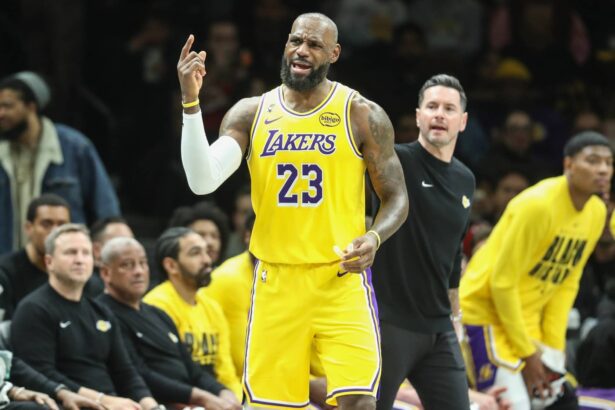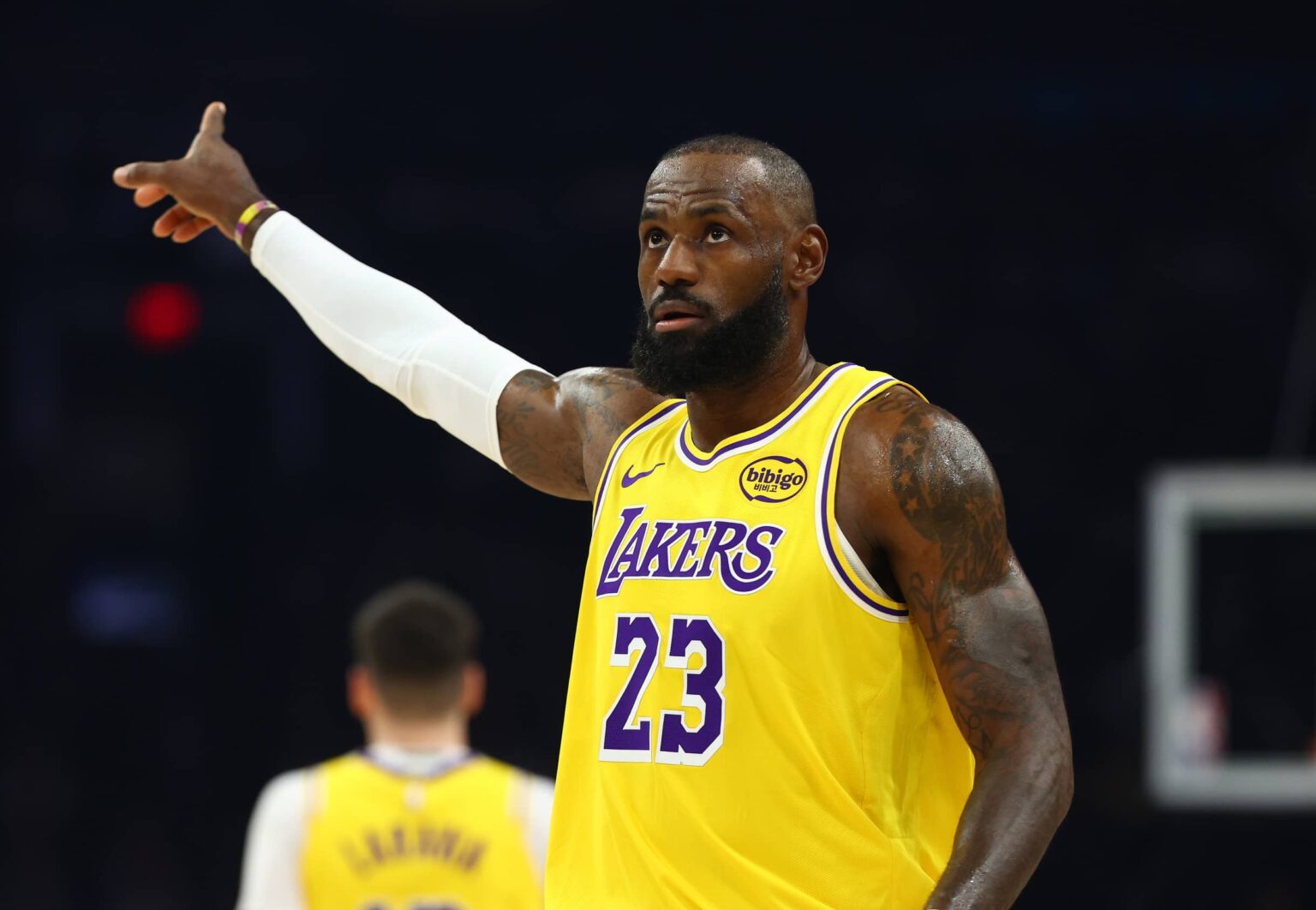
Advanced numbers are rarely kind to aging superstars, but this season they have been downright brutal for LeBron James on the defensive end. For the first time in his career, the data paints a picture that is impossible to ignore, even if the context still matters.
LeBron currently owns a defensive rating of 119.8, the third-worst mark on the roster and the worst among starters. When the King is on the floor, the Los Angeles Lakers allow 14.5 points per game in transition, the second-highest mark in the team.
The Lakers also give up 10.4 second-chance points per game and 12.7 fast-break points, with LeBron on the floor, both the worst figures on the roster. Opponents also score 35.2 points in the paint, the third-worst mark on the team
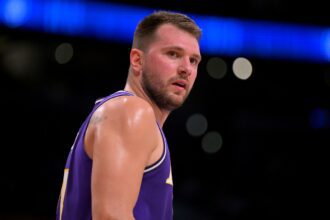
When he is on the floor, opponents consistently find easy points. The Los Angeles Lakers allow 14.5 points per game in transition with LeBron playing, one of the highest marks on the team. Only Luka Doncic is worse in that specific category.
The overall impact is just as concerning. The Lakers are being outscored by 5.6 points per game with LeBron on the floor, and his net rating is the lowest among starters.
That shows up visually during recent blowout losses, where defensive lapses snowball quickly. Over their last 10 games, the Lakers have lost six times, many of them unraveling on the defensive end long before the final buzzer.
On the surface, another stat has raised eyebrows: Los Angeles is 9–6 with LeBron and 11–5 without him this season. That number lacks context.
Most of the wins without LeBron came against sub-.500 teams, while many of the losses with him came against playoff-level competition. It is not proof that the Lakers are better without him, but it does underline how fragile their margin has become when defensive issues pile up.
Offensively, LeBron is still far from washed. He is averaging 20.3 points, 4.9 rebounds, and 6.5 assists on 49.6% shooting, and since his historic 10-point streak ended, he has bumped those numbers to 24.4 points, 5.7 assists, and 5.2 rebounds over nine games. For a 41-year-old in his 23rd season, that remains elite production on one end of the floor.
Defense is where reality hits. LeBron is no longer a nightly two-way force, especially while adjusting to a new role next to Luka Doncic. He is playing more off the ball, conserving energy, and often prioritizing offense and playmaking. Expecting consistent high-level defense from a 41-year-old carrying offensive responsibility is unrealistic.
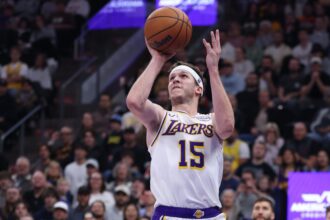
Context matters here. The Lakers have no true rim protector, no elite wing defender outside of Marcus Smart, and they pair LeBron with two defensive liabilities in Luka and Austin Reaves. The system does him no favors. Still, advanced stats do not lie. LeBron’s defensive impact has slipped significantly, and in a Western Conference race that punishes every weakness, it is a problem the Lakers cannot simply explain away.