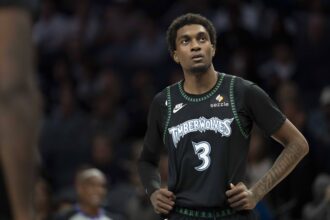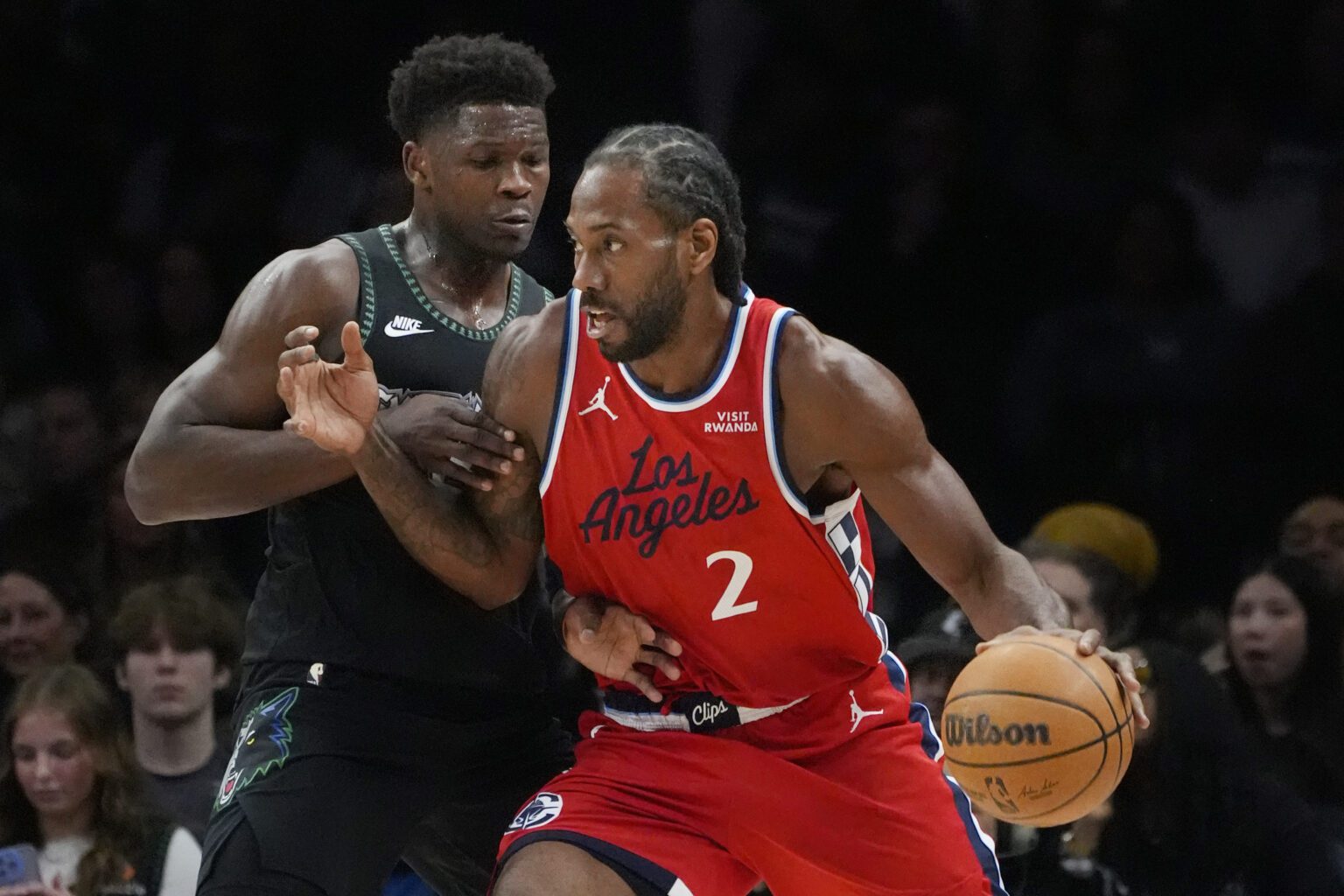
The Los Angeles Clippers welcome the Minnesota Timberwolves to the Intuit Dome at 10:00 PM EST in a matchup that could have serious Western Conference implications.
The Clippers sit 10th in the West with a 27-30 record and have dropped two straight, losing five of their last ten games. Minnesota, meanwhile, is fifth in the conference at 36-23. They are coming off a 124-121 win over the Portland Trail Blazers and have won six of their last ten.
At home, the Clippers have been average at 17-17. The Timberwolves have traveled well all season, posting a strong 16-12 road record.
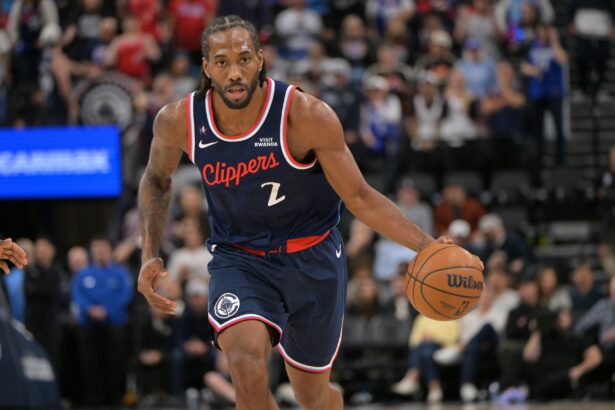
Kawhi Leonard is having a career year, averaging 28.0 points, 6.4 rebounds, and 3.7 assists, while Bennedict Mathurin has been an excellent addition since his arrival, averaging 22.0 points, 6.2 rebounds, and 3.6 assists. Anthony Edwards leads the way for the Timberwolves, averaging 29.5 points, 5.3 rebounds, and 3.6 assists, while Julius Randle is averaging 22.1 points, 6.9 rebounds, and 5.3 assists.
This is the third meeting between the teams this season, with each side winning once. A fourth matchup is scheduled in March, but this game could serve as a tone setter for a potential playoff preview.
Injury Report
Timberwolves
Bernard Jules: Out (G-League)
Enrique Freeman: Out (G-League)
Rocco Zikarsky: Out (G-League)
Clippers
Bradley Beal: Out (Left hip fracture)
Darius Garland: Out (Left toe injury management)
John Collins: Questionable (Neck soreness)
Kawhi Leonard: Questionable (Left ankle soreness)
Why The Clippers Have The Advantage
The Clippers remain efficient offensively despite their recent slump. They rank seventh in field goal percentage and tenth in three-point percentage, reflecting balanced shot selection and perimeter accuracy. They also hold the twelfth-best offensive rating in the league.
One of their biggest strengths is free-throw efficiency. Los Angeles makes the fourth most free throws in the league and leads the NBA in free-throw percentage. In close games, that reliability at the line can be decisive. If they can generate consistent drives and put pressure on Minnesota’s interior defenders, they can control tempo and limit transition opportunities.
If Leonard plays and looks close to full strength, his ability to create midrange offense and defend Edwards could keep the game competitive.
Why The Timberwolves Have The Advantage
Minnesota enters with the more complete statistical profile. They rank ninth in offensive rating, tenth in defensive rating, and ninth in net rating, showing balance on both ends. On the road, they elevate to the second-best offensive rating in the league, a remarkable mark that highlights their ability to score efficiently away from home.
The Timberwolves rank fourth in field goal percentage and fourth in three-point percentage. They are seventh in free-throw attempts and strong on the glass, ranking seventh in defensive rebounding and ninth overall in total rebounding. They also protect the rim effectively, ranking fourth in blocks, and they are the second least blocked team in the league offensively, meaning they finish well inside.
Their defensive versatility and transition scoring give them a clear edge, especially against a Clippers team that has struggled to generate consistent stops during this rough stretch.
X-Factors
For Los Angeles, John Collins could quietly become one of the most important pieces in this matchup if he is available and fully healthy. Averaging 13.8 points and 5.2 rebounds, Collins brings athleticism and vertical spacing that can stretch Minnesota’s defensive structure. He thrives as a rim runner in pick-and-roll situations and can also step out to hit mid-range jumpers, forcing opposing bigs to make uncomfortable decisions.
Derrick Jones Jr., averaging 10.4 points and 2.8 rebounds per game, provides something numbers do not always capture. His defensive activity, ability to switch across multiple positions, and willingness to guard elite scorers give the Clippers lineup flexibility. He can be deployed against Edwards in stretches, using his length and lateral quickness to at least make shots more difficult.
Jordan Miller adds depth scoring, averaging 9.1 points per game, and could become a surprise contributor if the Clippers need an offensive spark from the bench. His confidence in catch-and-shoot situations keeps defenses honest and prevents scoring droughts from snowballing.
For Minnesota, Jaden McDaniels remains a pivotal two-way presence. Averaging 15.2 points and 4.4 rebounds, he has grown more assertive offensively while maintaining his defensive versatility. His length allows him to contest shots without fouling, and he will likely draw the primary assignment on Leonard. How effectively he handles that challenge could define the game’s flow.
Naz Reid continues to be one of the most impactful bench bigs in the league, contributing 14.2 points and 6.4 rebounds. His ability to score inside and step out to the perimeter creates matchup problems, particularly against second units.
Donte DiVincenzo adds valuable spacing at 12.8 points per game, capable of heating up quickly from beyond the arc. Ayo Dosunmu, averaging 11.3 points and 2.8 assists, stabilizes the backcourt with smart decision-making and defensive toughness.
Prediction
The Clippers need Leonard at full strength to keep pace. Without him, their offensive ceiling drops significantly, and their defense lacks a true stopper for Edwards.
Minnesota’s road offense, rebounding edge, and defensive balance give them the upper hand. Even if the game remains competitive through three quarters, the Timberwolves have more reliable scoring depth.
Prediction: Clippers 103, Timberwolves 120