Game 1 had everything to remind you it’s playoff basketball. The Minnesota Timberwolves managed to steal a gritty 104-102 win on the road against the San Antonio Spurs in an unexpected victory.
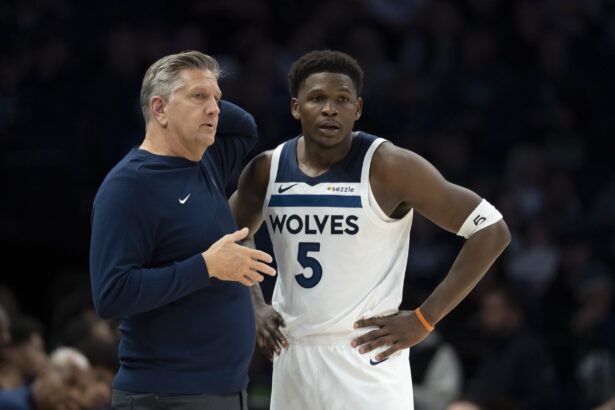
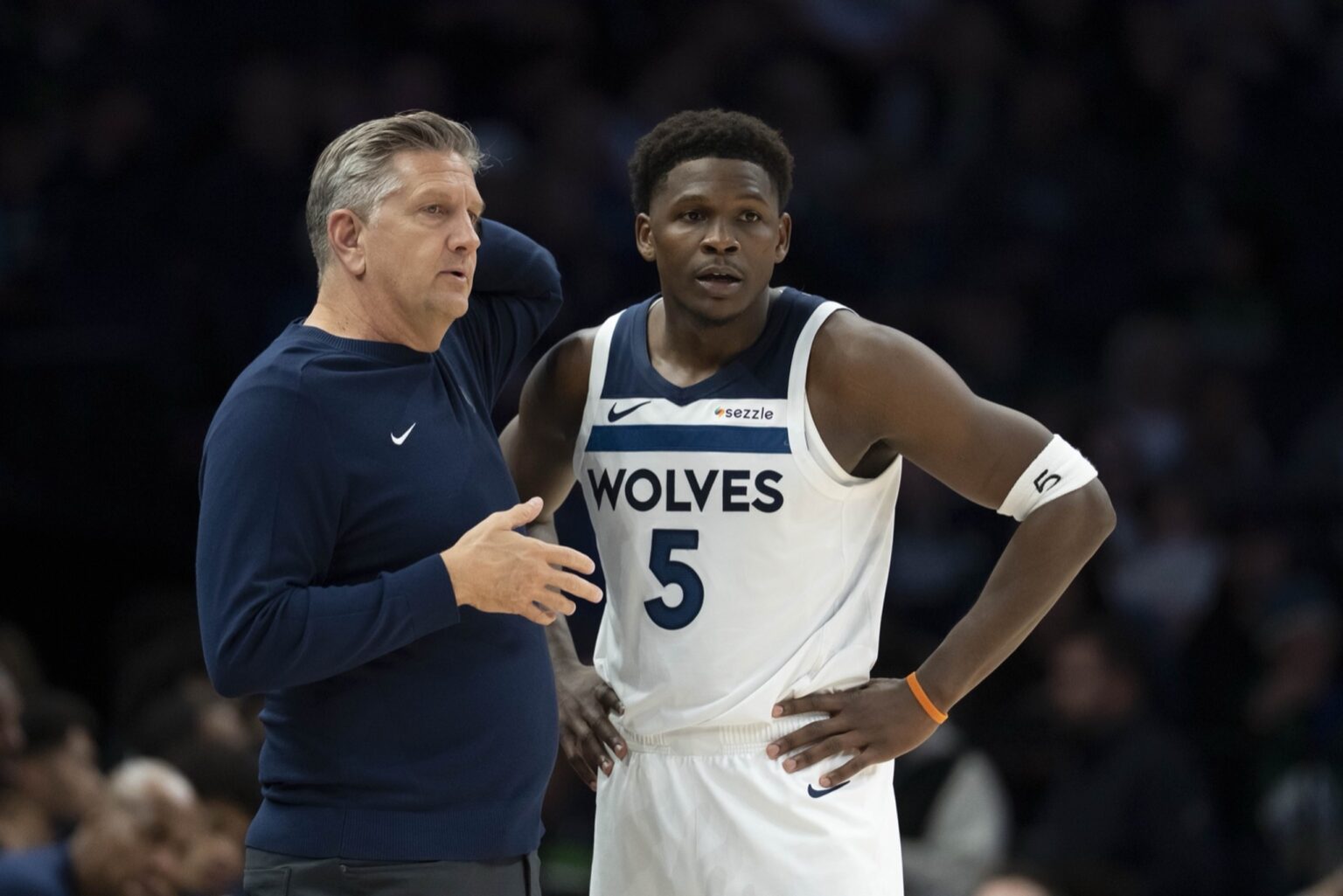
A big part of that story was Anthony Edwards, who surprisingly came off the bench due to limited minutes while managing a knee issue. But when he was on the floor, he gave Minnesota exactly what it needed.
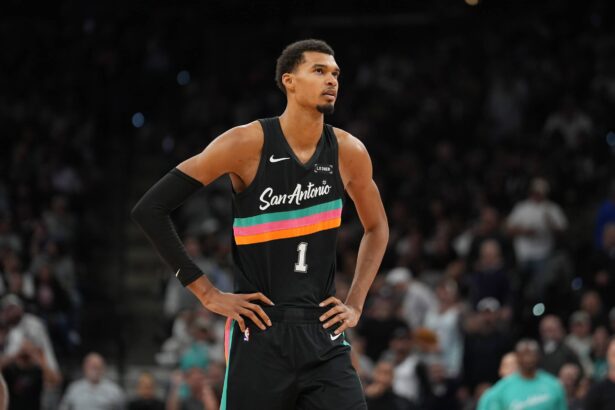
On the other side, Victor Wembanyama put together a historic defensive performance, racking up 12 blocks, setting a new playoff record. And yet, despite that kind of generational defensive impact, the Timberwolves still walked away with home-court advantage.
That’s what makes this result so fascinating since Wemby’s dominance wasn’t enough. Here are six things we learned from a chaotic, physical Game 1.
1. Timberwolves Won The Game On The Stat Sheet
The Minnesota Timberwolves survived the game by being just a little better in the details. Both teams shot nearly identically from the field (45.6% vs 44.8%), and the rebounding battle was essentially even (46-47), but Minnesota found separation in subtle areas that add up over 48 minutes.
They protected the ball slightly better (13 turnovers vs 14) and turned those mistakes into 15 points off turnovers compared to 11 for the San Antonio Spurs. Add in 7 steals to San Antonio’s 4, and you start to see the difference. This was execution in the small moments that tilt playoff games.
2. Anthony Edwards Changed The Game Off The Bench
Seeing Anthony Edwards come off the bench raised eyebrows, but his impact spoke louder than any starting lineup debate. He delivered 18 points on 8-13 shooting, adding 3 assists and instant offense when Minnesota needed it most.
More importantly, Edwards brought scoring stability. While starters like Julius Randle had inefficient stretches (8-20), Edwards consistently created quality looks. His ability to attack mismatches and generate offense without over-dribbling gave the Timberwolves a rhythm they otherwise struggled to find.
3. Victor Wembanyama Was A Defensive Force, But Offense Didn’t Follow
Let’s be clear: Victor Wembanyama was absolutely terrifying defensively. 12 blocks in a playoff game is video-game stuff, and he added 15 rebounds and 5 assists for good measure. The paint was basically off-limits whenever he was around.
But offensively, it was a different story. Wembanyama shot just 5-17 from the field and 0-8 from three, finishing with 11 points. Minnesota clearly lived with him taking perimeter shots, and it worked. For all his defensive brilliance, the Spurs needed more scoring efficiency from their franchise star.
4. Spurs’ Three-Point Shooting Let Them Down
The San Antonio Spurs had opportunities to take control, but their perimeter shooting betrayed them. They finished just 10-36 from three-point range (27.8%), and many of those were clean looks created by penetration and ball movement.
Players like De’Aaron Fox (0-4 from three) and others struggled to stretch the defense. Even with solid contributions from Devin Vassell (3-6), the overall inconsistency allowed Minnesota to pack the paint and recover defensively. In a two-point game, a few of those missed threes change everything.
5. Bench Production Gave Minnesota The Edge
The Timberwolves’ bench, led by Naz Reid (12 points, 9 rebounds) and Edwards, consistently provided energy and production. Minnesota’s reserves extended the momentum at key moments, especially Terrence Shannon Jr. who had 16 huge points and 5 rebounds.
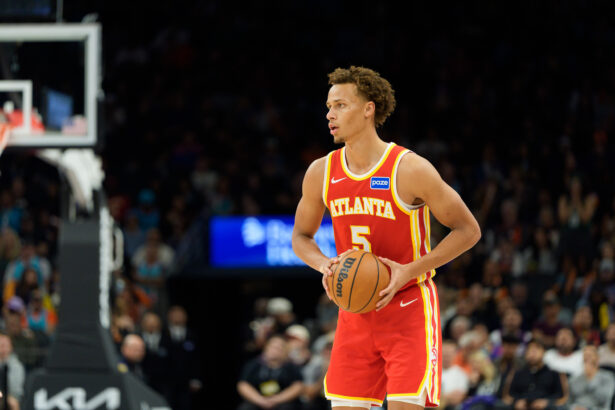
Compare that to San Antonio, where, outside of Dylan Harper’s 18 points, the bench impact was uneven. The Spurs had flashes, but not sustained production. In a tight playoff game, having multiple reliable contributors off the bench is often the difference, and it showed here.
6. Free Throw Struggles Nearly Cost Minnesota
For all the things Minnesota did right, their performance at the line almost came back to haunt them. They shot just 12-21 (57.1%) from the free-throw line, leaving nine points on the table in a game they won by just two.
Meanwhile, San Antonio converted 77.8% (14-18), which kept them within striking distance late. Missed free throws are mistakes that get magnified in playoff basketball, and if this series tightens, it’s an area the Timberwolves must clean up quickly.