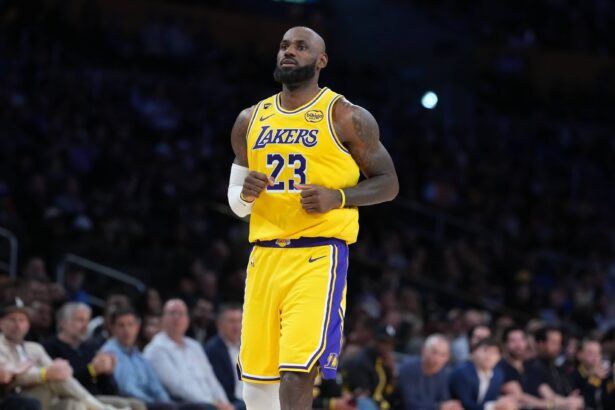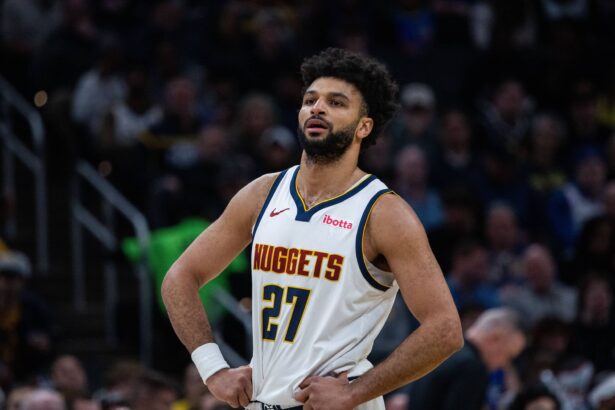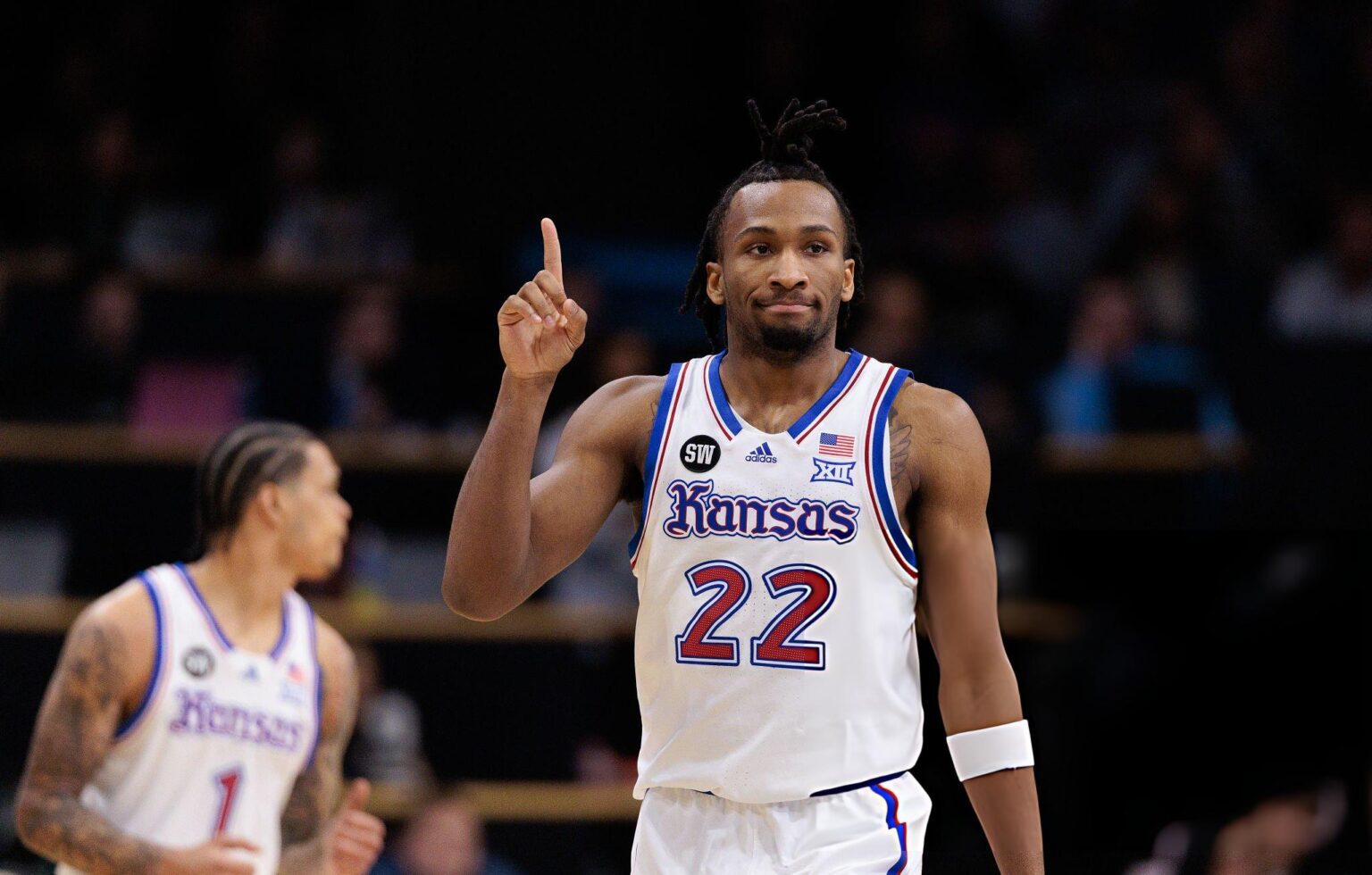
The 2026 NBA Draft is just over a month away, with the 2026 NBA Draft Lottery establishing the draft order that will be followed on June 23, 2026, at the Barclays Center in Brooklyn. The 2026 Draft Class has been hyped all season, with some experts comparing it to the iconic 2003 NBA Draft, which brought superstars LeBron James, Dwyane Wade, Carmelo Anthony, and Chris Bosh into the league.
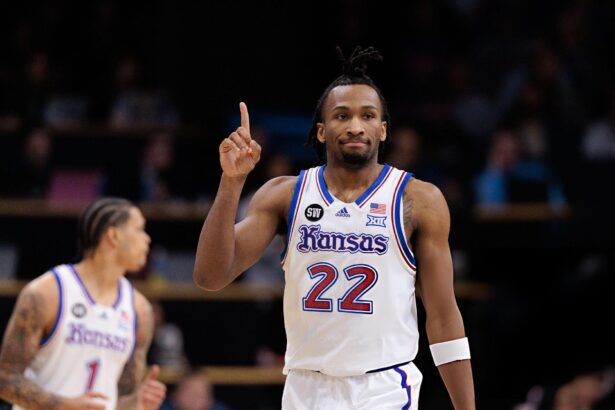
Darryn Peterson is among the highly-rated top four of the 2026 class, alongside AJ Dybantsa, Cameron Boozer, and Caleb Wilson. Peterson entered the 2025-26 NCAA season as the preseason favorite to go No. 1 but wound up sliding on draft boards after a tough season with the Kansas Jayhawks sparked debates over his commitment to the game. While he clarified him unilaterally leaving games early during the season was a result of a cramps-related injury.
Peterson averaged 20.2 points, 4.2 rebounds, 1.6 assists, 1.4 steals, and 0.6 blocks on 43.8% from the field, 38.2% from three, and 82.6% from the free throw line with the Jayhawks, showing his incredible scoring ability and potential impact as a two-way guard in the NBA. He was named on the Big 12 All-Freshman Team and on the All-Big 12 second-team
He’s currently No. 2 on Fadeaway World’s 2026 NBA Mock Draft.
Let’s take a deeper look at Peterson’s player profile heading into the draft by examining his biggest strengths and weaknesses, his NBA comparison, and his Draft Combine results.
Darryn Peterson Draft Combine Results
Height: 6’4.5″ barefoot
Weight: 198.8 pounds
Wingspan: 6’9.75″
Standing Reach: 8’7″
Max Vertical: 37.5″
Standing Vertical: 31.5″
Lane Agility: 11.7 seconds
Shuttle Run: 2.95 seconds
Three-Quarter Sprint: 3.16 seconds
(Source: NBA.com)
Darryn Peterson Player Profile
In a class full of talented guards, Peterson has been the front-runner all season despite the issues that plagued him with the Jayhawks. Despite being riddled with injuries and dealing with the emotional weight of what he thought was a life-threatening preseason moment, Peterson excelled as a two-way guard with a high ceiling on both ends of the court.
His freshman season with the Jayhawks saw him thrive as an off-ball guard, indicating he will likely be a shooting guard in the NBA. That’s perfect, as Peterson showed high-level shotmaking without dribbling the air out of the ball. He will enter the league as an NBA-ready three-level scorer, although he might take some time to find success as a consistent downhill threat against NBA rim-protectors. His shot-making is already excellent, so there is high hope that he can translate that into the pro level.
The status of his leg injuries will be closely monitored by medical teams in the top four of the draft, as his struggles with finishing at the rim were likely a result of his not feeling confident about how much strain his legs can take. The biggest question mark over Peterson will be his health, but if he’s moved past whatever was bothering him at Kansas, he might be a generational scorer in the NBA, provided he continues developing his downhill scoring.
What’s helped Peterson stand out from other guard prospects in this draft is his defensive skills. His nearly 6’10” wingspan will make him a very effective point-of-attack defender, with him showcasing those skills at Kansas. He can guard multiple positions and was a switchable terror on the perimeter against opposing ball-handlers. His defensive playmaking, in particular, has been a huge skill, as Peterson is capable of generating new possessions off steals and blocks more consistently than any other guard in this class.
Peterson’s ceiling both as a scorer and defender blows every other guard in this class out of the water, which is why he will surely be the first guard selected. He’s contending with Dybantsa for the No. 1 overall selection, but there are definitely more questions around Peterson as an NBA player right now than Dybantsa.
Scoring is one of the hardest skills to bring over to the NBA as a guard, so Peterson’s rookie season will include him proving to everyone that he can be a No. 1 option in the NBA. At least his defense guarantees he’ll be a positive contributor whenever he’s on the floor.
When we talk about Peterson’s weaknesses, we have to examine our last sentence. ‘Whenever he’s on the floor.’ The biggest concern around Peterson after his freshman season was his health. With how dismissively he’s walked off the court at times when his coaches and teammates wanted him to stay in, there will be attitude questions raised, which might make it hard for Peterson to go No. 1 when three other contenders are vying for that spot.
Playmaking has been a question thrown around by some experts after Peterson’s off-ball exploits in Kansas. While the stats don’t back it up right now, Peterson has strong playmaking instincts, which have him making the right read when necessary. However, he’s likely never going to be the No. 1 playmaker in a backcourt, so his abilities as a scorer and defender will do a lot of work in covering up this one supposed flaw in his game.
If his health scares are behind him, Peterson might be the most well-rounded prospect heading into the draft. Outside of improving his downhill scoring on offense and not getting caught up on screens on defense, Peterson has shown he possesses all the valuable NBA skills to some extent or another.
NBA Comparison: Devin Booker, Dwyane Wade, Brandon Roy, Bradley Beal
Potential Landing Spots For Darryn Peterson
Most 2026 mock drafts have a clear 1A and 1B preference between Dybantsa and Peterson, with Boozer and Wilson emerging as 2A and 2B. However, the evolving draft process might make Peterson a plausible selection for any of the top-four teams.
The Washington Wizards could fit Peterson into a backcourt with a fantastic playmaker like Trae Young, but the Wizards already have guards like Bub Carrington and Tre Johnson in line for a similar role as Peterson. But with Young’s poor defensive skills, Peterson as a defender would be extremely enticing alongside Young. Given they have the No. 1 pick and fulfill a bigger roster need with Dybantsa, it’s hard to conclusively say that Peterson would be the better pick for them right now. There have been reports indicating the Wizards might not be sold on Dybantsa as the No. 1 pick, so this could change as the draft approaches.
The Utah Jazz will likely take Peterson at No. 2 if the Wizards select Dybantsa. It makes little sense for them to select Boozer or Wilson with their frontcourt trio of Lauri Markkanen, Jaren Jackson Jr., and Walker Kessler already on the roster. Peterson would be a starting guard for them, likely alongside Keyontae George. While this backcourt lacks playmaking finesse, maybe this is the perfect spot for Peterson to develop his flashes of great playmaking into consistent NBA point guard-level playmaking.
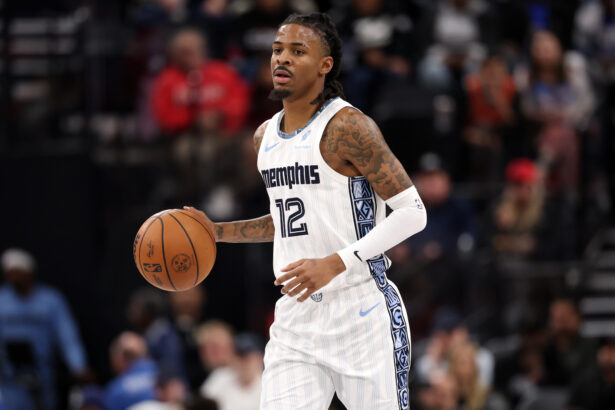
Peterson is not likely to fall beyond No. 2 in the Draft, but he’s a prospect that the Memphis Grizzlies or Chicago Bulls would be happy to have, even if it means moving up a spot or two to get him. Peterson would be a natural fit next to Ja Morant in Memphis and Josh Giddey in Chicago, likely taking over the responsibilities of being a No. 1 scoring option.
While this might mean the Grizzlies can move on from Morant more easily, the Bulls would likely want Giddey and Peterson to form a long-term partnership. But, it does seem unlikely that either Wilson or Boozer could jump Peterson in the Draft, even if Dybantsa goes No. 1 to the Wizards.