The Thunder have to live with two truths before Game 2. One is that Game 1 was not an easy loss to process. The Spurs took a 122-115 double-overtime win in the Western Conference Finals opener, stole home-court advantage, and made the Thunder look uncomfortable in the exact areas that usually make them elite.
The other truth is that this was not unexpected. The Spurs already beat the Thunder four times in five regular-season meetings, while the Thunder went 63-14 against everyone else. At this point, it is fair to say the Spurs have their number. Not forever, not automatically, but enough that Game 2 needs more than better energy.
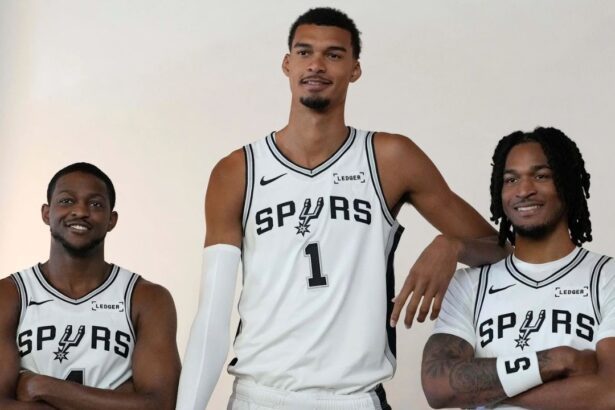
That is what makes this series dangerous for the Thunder. The Spurs are not just another underdog trying to survive. They have the best player in the matchup when Victor Wembanyama plays like he did in Game 1, finishing with 41 points, 24 rebounds, and three blocks. They also had Dylan Harper adding 24 points, 11 rebounds, six assists, and seven steals.
Still, this is not the moment for panic. The Thunder forced turnovers, got 31 points from Alex Caruso, and had Shai Gilgeous-Alexander creating enough late offense to keep the game alive. The problem was not effort. The problem was structure. The Thunder let the Spurs control the glass, keep Wembanyama near his comfort zones, and load up on SGA too often in the half-court.
Game 2 has to be about details. Not just effort. Not pride. Adjustments.
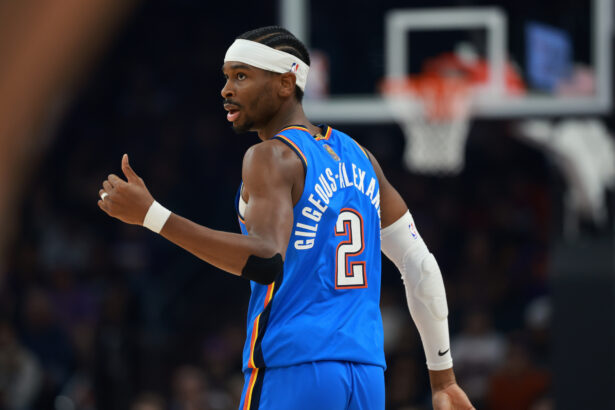
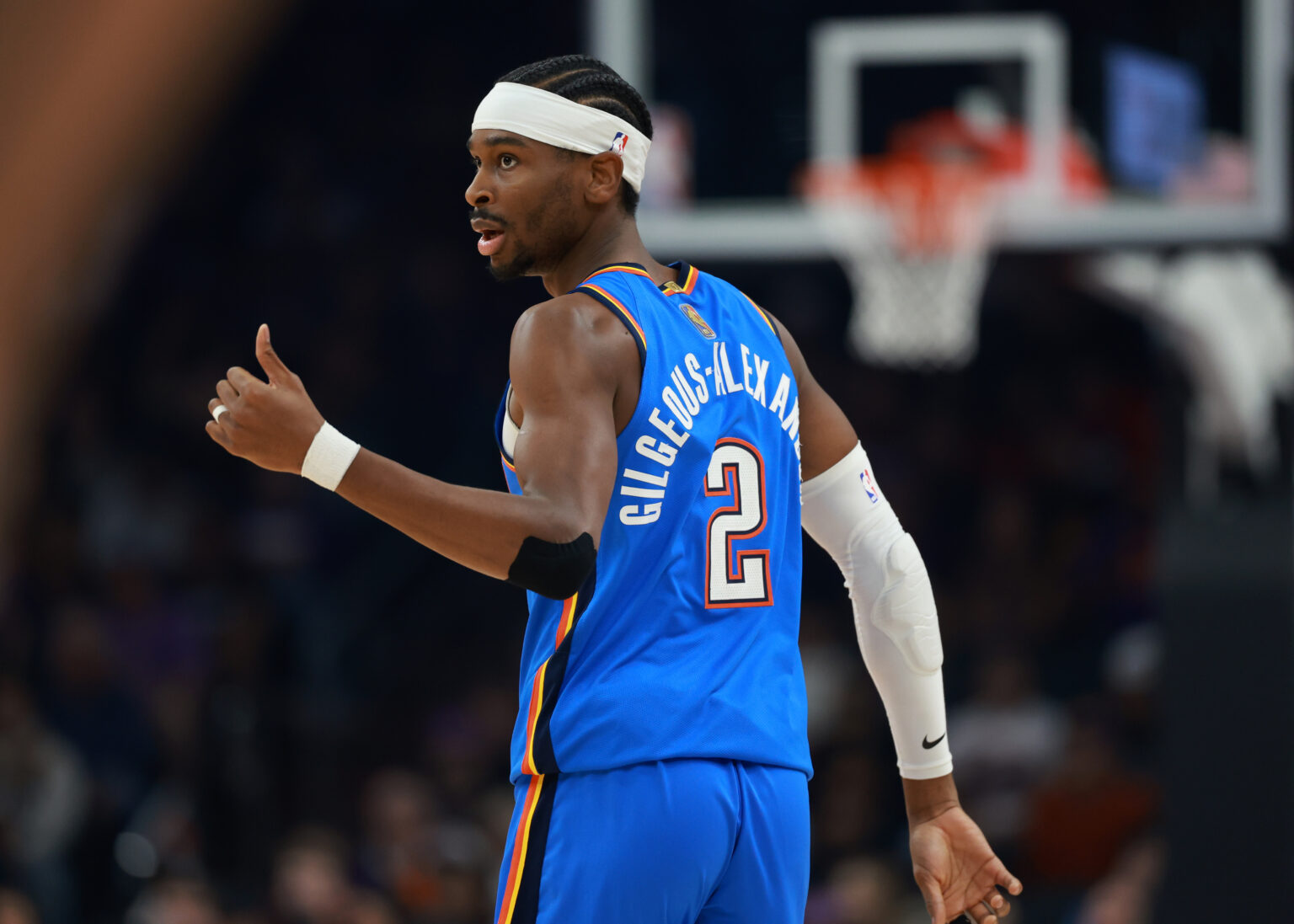
1. Put Shai Gilgeous-Alexander In Better Offensive Spots To Create Damage
Shai Gilgeous-Alexander did not play a terrible game. That is too simple. He still had 24 points and 12 assists. The bigger issue was how hard every good shot felt. He shot 7-of-23 from the field, and too many of those possessions started with the Spurs already loaded toward him.
That is the real adjustment.
The Thunder cannot let Shai walk into a set defense for 48 minutes and ask him to beat the first defender, the nail helper, and Wembanyama at the rim. That is not good offense. That is asking even an MVP-level guard to solve too much on one possession.
The Spurs were comfortable when SGA started from the top, waited for one screen, and attacked from a dead floor. Their guards could shade him toward help. Their wings could sit at the elbows. Wembanyama could stay near the paint, see the whole play, and decide whether to contest, stunt, or rebound. That is the exact defensive picture the Thunder have to destroy in Game 2.
The fix is to make Shai the second action more often.
Start possessions with Jalen Williams. Let Williams bring the ball up, run a quick angle screen, force the Spurs to shift, and then swing to Shai on the second side. That changes the chase. Now Shai is not attacking five defenders with their feet set. He is attacking a defense that has already moved once. That matters because Shai does not need much. He needs one bad closeout, one late help step, or one big pulled half a step too high.
The Thunder should also use Shai as a screener more often. It sounds weird, but it is a great playoff tool. If Shai screens for Williams or another ball handler, the Spurs have to communicate before the ball even reaches Shai. If they switch, Shai can seal a smaller defender or catch with inside position. If they show two bodies to Williams, Shai can slip into the middle. If they top-lock him, the back cut is open.
That is much better than having Shai dribble in place while the Spurs build a wall.
The timing is important. These actions cannot come with eight seconds left on the clock. They need to come early. First six seconds. First eight seconds. Make the Spurs talk, move, and switch before they are comfortable.
Another action the Thunder should use is empty-corner pick-and-roll with Chet Holmgren as the screener. If the corner is empty, the Spurs cannot bring the same low-man help without giving up a long rotation. If Holmgren screens and pops, Wembanyama has to choose between staying deep against Shai or stepping up to respect Holmgren’s shot. That is the kind of decision the Thunder need to force.
The Thunder also need more quick slips. If the Spurs want to show two at the ball, the screen does not always need to hit. Holmgren, Williams, or even Caruso can slip early, catch in the middle, and play four-on-three. That puts pressure on the back line. It also stops Shai from having to create every advantage by himself.
Game 1 had too many possessions where the Thunder’s offense looked technically spaced but not actually dangerous. The floor had shooters, but the Spurs were not in rotation. That is the difference. Good spacing is not just standing in the right spots. Good spacing forces defenders to choose.
The Thunder need Shai to touch the ball after the first choice has already been forced.
That is how the Thunder get him downhill. Not by telling him to “be aggressive.” He already knows that. The Thunder need to give him better launch points.
2. Force Victor Wembanyama To Choose Between The Paint Or The Open Shot
The worst plan against Wembanyama is to attack him like he is a typical rim protector. He is not. Driving straight into him from a set floor is not bravery. It is giving the Spurs exactly what they want.
Wembanyama had 41 points and 24 rebounds, but his defensive impact was just as important. The Thunder allowed him to defend too many possessions from his favorite zone: central, deep, balanced, and close enough to clean up everything. When Wembanyama can stand near the rim and see the ball, he controls the possession without running. That is a problem.
The Thunder need to make him defend above the free-throw line.
That starts with Holmgren. Chet Holmgren had only eight points and eight rebounds in 41 minutes. That cannot happen in this matchup. He does not need to match Wembanyama’s scoring. That is not realistic every night. But Holmgren has to make Wembanyama defend actions, not just space.
The Thunder need more high pick-and-pop with Holmgren. Not side spacing where Wembanyama can ignore the action. Not weak-side standing where the ball never comes back. Direct involvement. Shai-Holmgren. Williams-Holmgren. Caruso-Holmgren. Put Wembanyama into the action and make him answer.
If Wembanyama stays in drop, Holmgren has to be ready to shoot or swing immediately. If Wembanyama steps up, Shai has a lane. If the Spurs switch, Holmgren can slip or seal. None of those options are perfect for the Thunder, because Wembanyama makes every option difficult. But they are better than letting him sit in the paint and erase the end of the possession.
The Thunder also need Spain pick-and-roll. This is one of the cleanest ways to make Wembanyama think. Shai handles. Holmgren screens. Caruso or Williams sets the back screen on Wembanyama. Now Wembanyama has three problems at once. He has to contain the ball, feel the back screen, and recover to Holmgren. That is the kind of layered action the Thunder need.
Wembanyama will still make plays. That is not the point. The point is to make him make plays under stress.
The Thunder should also attack earlier in the clock. Wembanyama is most dangerous when he is set. He reads the floor too well. He knows where the dunker spot is. He knows where the weak-side shooter is. He knows when the driver has picked up the ball. If the Thunder wait until the half-court defense is fully built, they are helping him.
That means drag screens after makes. It means Holmgren sprinting into the screen, not jogging into it. It means Williams pushing the ball before the Spurs match up. It means Shai attacking before every defender has his eyes on him.
The Thunder do not need seven-second offense for the whole game. That is not their full identity. But they need more early offense against Wembanyama because late-clock offense gives him too much control.
The dunker spot also has to be cleaner. The Thunder cannot park a non-shooter near the rim when Wembanyama is the low defender. That gives him one body to guard and one place to stand. If Isaiah Hartenstein plays with Holmgren, the spacing has to be organized. Hartenstein cannot just sit under the rim and bring Wembanyama closer to the paint. He has to screen, pass from the elbow, or occupy Wembanyama’s body before the shot.
This is where the Thunder can be better without changing who they are. They do not need to bench their best players. They do not need to become a slow team. They need to make Wembanyama defend more ground.
There is a big difference between attacking Wembanyama and attacking the space around Wembanyama.
The Thunder should not drive into his chest over and over. They should move him high, make the Spurs rotate behind him, then attack the open space before he gets back. That is the matchup.
If Wembanyama gets to protect the rim, rebound, and save energy for late offense, the Spurs can win this series. If the Thunder make him guard two actions before every shot, the game becomes much harder for the Spurs.
3. Rebounding Must Be A Winning Point Every Time
The rebounding number was not normal. The Spurs won the glass 61-40. Wembanyama had 24 by himself. Harper had 11 from the guard spot. The Spurs had 15 offensive rebounds. That is not just a “play harder” issue. It is a structure issue.
The Thunder cannot go into Game 2 with a vague rebounding plan. They need rules.
First rule: nobody leaks when Wembanyama shoots.
That sounds basic, but it matters. Wembanyama creates strange rebounds. His misses come from high release points, deep paint touches, long threes, and awkward contest angles. The ball does not always fall like a normal miss. If the Thunder’s guards start running before the possession is finished, Holmgren or Caruso are left alone trying to box out a player with ridiculous length.
That cannot happen.
Shai, Dort, Wallace, Williams, everyone has to check first and run second. The Thunder can still play fast. They just cannot play fast before they have the ball.
Second rule: the low man has to hit Wembanyama before jumping.
Holmgren cannot be expected to contest Wembanyama, land, turn, find him, box him out, and win the rebound by himself. That is too much work against that kind of size. The weak-side wing has to crack down early. Not after the ball hits the rim. Early. Put a body into Wembanyama, make him jump through contact, and then pursue the ball.
This is where Lu Dort has to be more useful. Dort did not give the Thunder much offense in Game 1, but this matchup still needs his strength. He has to hit bodies. He has to help on the glass. He has to make Harper, Castle, and the Spurs’ wings feel contact. If Dort is not scoring, he still has to make the game more physical.
Third rule: Harper has to be treated like a real crash threat.
Dylan Harper was not just a rookie guard having a nice scoring night. He was part of why the Spurs won the possession battle. His 11 rebounds and seven steals were huge. The steals hurt the Thunder’s rhythm. The rebounds gave the Spurs extra chances. That is winning basketball, not empty production.
The Thunder need a body on Harper when the shot goes up. If he is in the corner, the nearest guard has to find him. If he drives and misses, the help defender has to finish the play. Harper is too strong to ignore once the first shot is contested.
Fourth rule: Hartenstein needs crucial minutes when the game becomes a size fight.
Isaiah Hartenstein played only 12 minutes in Game 1. That is hard to justify when the Thunder lose the glass by 21. It does not mean Hartenstein should play 35 minutes. It does not mean the Thunder should abandon spacing. But there were stretches where the Spurs made the game big, and the Thunder stayed too small for too long.
The Thunder need to test more Holmgren-Hartenstein minutes, but the offensive structure has to be right. Holmgren cannot become a passive spacer in the corner. Hartenstein cannot stand in the dunker spot and shrink the floor. One has to screen. One has to play higher. Both have to be involved.
Hartenstein’s job is simple in this series. Hit Wembanyama early. Screen with force. Pass from the elbow. Keep Holmgren from carrying every physical possession. If he scores, fine. That is extra. The real value is making the Spurs work harder for the glass.
The Thunder forced enough turnovers to win Game 1. That is why the loss is frustrating. Their pressure worked. Their hands were active. Their guards made the Spurs uncomfortable. But the job was not finished. A forced miss is not a stop if the Spurs get the rebound. A good possession is wasted if Harper sneaks in from the wing. A good defensive stand is dead if Wembanyama gets a second jump over everyone.
This is the part the Thunder have to take personally.
Not in a fake emotional way. In a practical way. Every shot needs a body. Every long rebound needs a guard. Every Wembanyama miss needs two players involved.
The Thunder can live with Wembanyama making hard shots. They cannot live with him getting his own misses, controlling the defensive glass, and letting the Spurs play with more possessions.
Game 2 Is About Execution And Control
The Thunder do not need panic. They need control.
They need to control where Shai catches the ball. They need to control where Wembanyama is standing when the attack starts. They need to control the glass with rules, not hope.
Game 1 was not a disaster, but it was a warning. The Spurs found a way to make the game fit them. They slowed enough possessions, brought enough size into the fight, and made the Thunder work through traffic. Wembanyama was brilliant, but the game around him also made sense. The Spurs played through their biggest advantage and trusted it late.
Now the Thunder have to do the same.
That means SGA cannot spend Game 2 staring at a loaded defense from the top of the floor. He needs movement before the catch, screens with purpose, and more possessions where the Spurs are already rotating. It also means Holmgren cannot be a background player. He has to drag Wembanyama into real defensive decisions. If Holmgren is not moving Wembanyama, the Thunder’s spacing is not doing enough.
The rebounding is the non-negotiable part. If the Thunder lose the glass by 21 again, the rest of the adjustments may not matter. The Spurs are too big and too skilled to give them that many extra chances.
The Thunder are still good enough to win the series. They have the pressure defense, the shot creation, the depth, and the home-court response. But Game 2 has to be sharper. More connected. More detailed.
The Spurs took Game 1 by making the Thunder play through their weaknesses.
Game 2 has to be the opposite. The Thunder need to make the Spurs defend Shai in motion, make Wembanyama work away from the rim, and make every rebound a fight before the ball even comes off the glass.