The NBA is entering a unique new era where its nearly 70-year-old format of action might become unfeasible. The rapid development of the game over the last 20 years, and especially the three-point revolution, has led to modern stats being inflated as every team is looking to maximize the points they can get from each possession. As a result, we’re seeing higher scores, and modern players are taxing their bodies more than the generations before them.
The NBA players today run about 2-3 miles per game, and 18.35 team miles per game, compared to the 16.83 miles per game players ran just a decade ago. The difference becomes even bigger if you extend it to the 2000s and 1990s.
The increasing speed of the game has caused an increase in wear-and-tear injuries, as players are unable to stay healthy for 82 games every season, leading to most top stars missing 10+ games a season. This has also led to a fall in TV ratings for the league, as fewer people are watching live NBA games outside of certain major matchups.
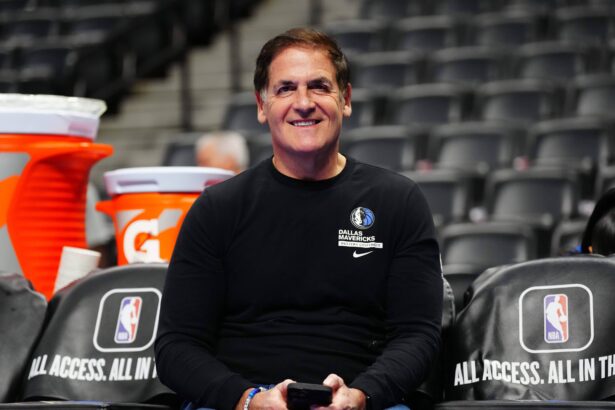
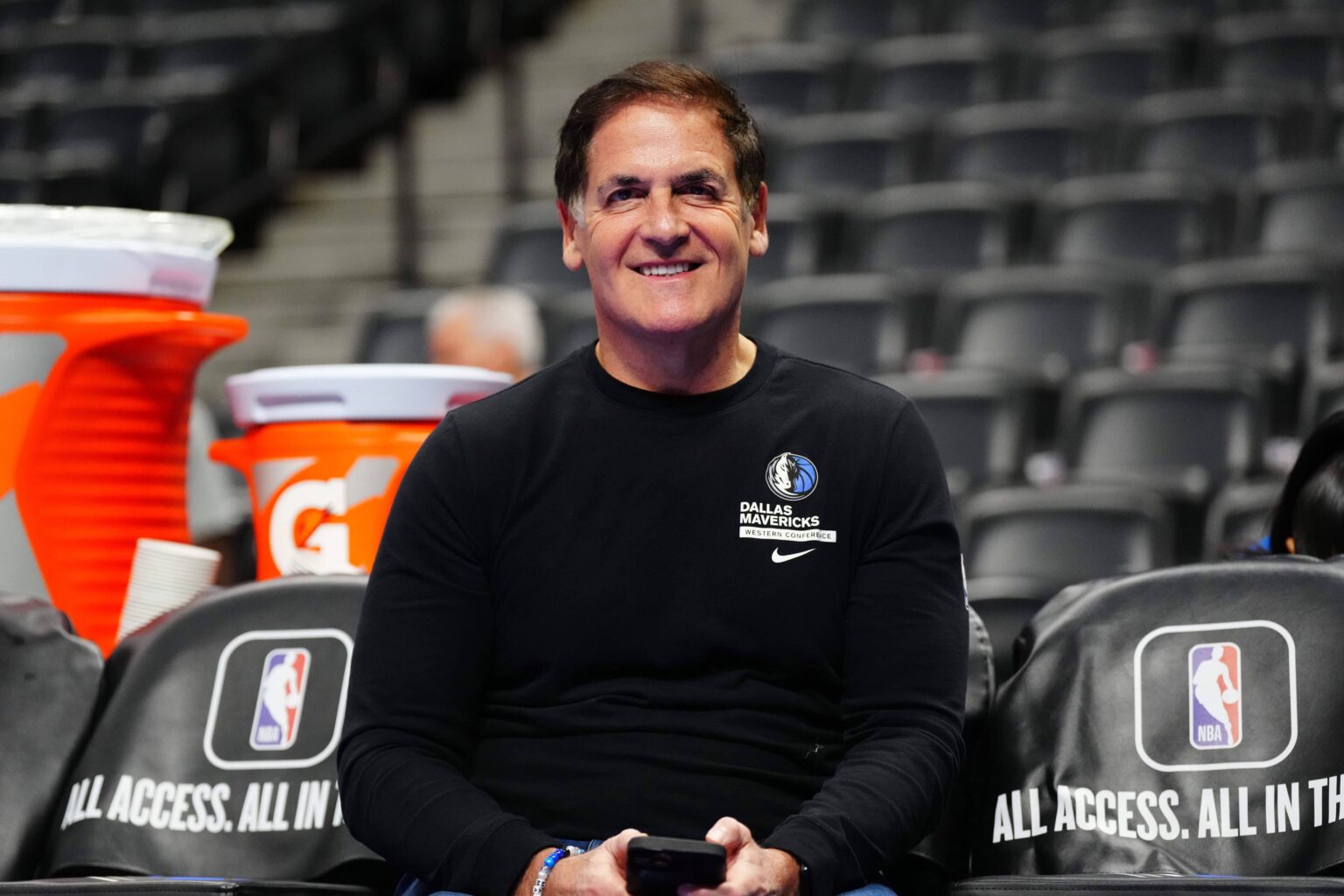
Shortening the schedule has been a popular suggestion to protect players and make games matter more, but Dallas Mavericks minority owner Mark Cuban suggested to Front Office Sports that the NBA should keep the 82-game season alive, but instead shorten the games to 40 minutes.
“I don’t think it’s the length of the season, I think it’s the length of the games. When you look at the amount of time played in a game. The NFL has 15 minutes of playing time; it actually has the least amount of playing time of any sport… You don’t have to commit brain time or attention to it for more than 15 minutes. MLB sped up their games, and it got better.”
“If the NBA went from 48 minutes to 40 minutes, it would change it 180 degrees for the better.”
“If those games are just 40 minutes, you don’t have to concentrate as much. The games get compressed enough where there is more action, so every possession becomes important. You’ll see more upsets, and teams will have to come up with different strategies. I’m a firm believer in 40 minutes, and I used to tell that to the NBA. The shorter the playing time, the better the response.
Shortening games to 40 minutes means teams play 656 fewer minutes per season, the equivalent of 13.6 full games. This lines up with the 70-game schedule many people have proposed as a likely plan in the future to make NBA games mean more. However, these lost minutes or games would also lead to revenue loss and have a major impact on the players’ contracts, so it’s unlikely the Players’ Association would entertain this discussion, let alone the league office.
Shortening NBA games might also lead to other problems, as the current generation of stars is already conditioned to spend 40 minutes on the court.
They’d still carry heavy minutes loads, which might hurt the lower-end players of the league, as teams won’t need their minutes to fill out their rotations. While it might lead to a generational change that forces teams to adjust these minutes, modern stars likely would play comparable minutes to what we see them right now, making their backups far less valuable.
Cuban’s suggestions might have an overall positive impact on player health, audience retention, and even in terms of the product, but there’s never an answer for how the NBA would replace the money they lose by shortening their broadcasts or reducing games from the overall season. Until that is addressed, we’ll likely see the 48-minute 82-game schedule continue forevermore.