After three seasons in Las Vegas, the NBA Cup could move out of Sin City.
What once felt like a natural fit for the league’s in-season tournament is now being re-examined, and the reasons go far beyond a few empty seats.
On all fronts, Las Vegas made sense. The city hosts major sporting events and has state-of-the-art arenas. And it’s the NBA’s unofficial meeting spot, thanks to the Summer League. Commissioner Adam Silver has long spoken about Vegas as a basketball hub, almost a bonus franchise without a team. But the NBA Cup has not really lived up to its hype, especially in Vegas.
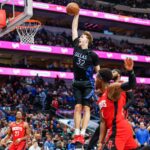
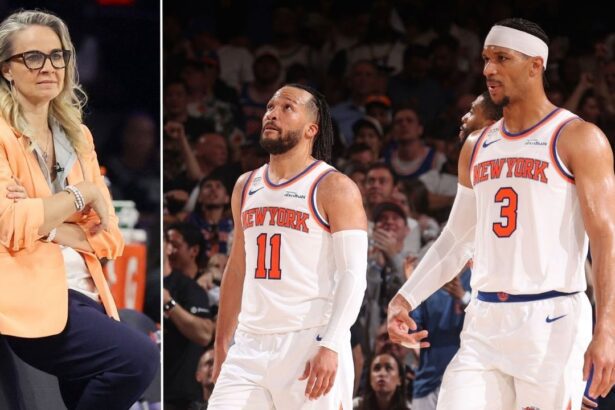
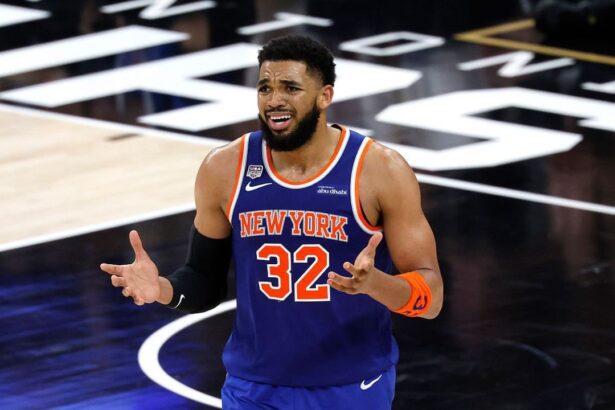
The main issue has been the atmosphere. The neutral site games sound exciting on paper, but the energy and attendance in the arena have been mediocre at best. This year’s Knicks–Magic semifinal was short of a full house.
The Thunder–Spurs matchup drew a sellout, yet even then, hundreds of seats remained unused. For a league trying to sell urgency and meaning in December basketball, that matters.
Compare that to the quarterfinals played in home arenas. Those games had fans fully invested, crowds reacting to every run, and players feeding off the noise. The difference was obvious. NBA executives noticed it. So did Amazon Prime Video, which now holds the league’s biggest media stake tied to the NBA Cup.
Amazon’s influence cannot be ignored. The Cup is the centerpiece of its massive broadcast deal, and executives reportedly wanted a far livelier arena product. Television viewers feel the crowd through the screen. When the building looks flat, the game feels smaller, no matter how good the basketball is. That feedback played a major role in the NBA’s decision to move the semifinals to home markets starting in 2026.
Now the championship game itself is under review.
Another factor working against Las Vegas is timing. The city is rarely quiet, but that can be a problem. This year’s Cup overlapped with the National Finals Rodeo and Cowboy Christmas, two massive draws that compete for attention, hotel space, and foot traffic.
In a city overflowing with concerts, casinos, shows, and major events, basketball risks becoming just another option rather than the main attraction.
Travel balance also matters. Asking Eastern Conference teams and fans to fly west every December is not ideal. League officials have acknowledged that rotating locations or shifting east could make the event feel more accessible and fair across the country.
That said, the NBA Cup itself is not in trouble. Players have bought in, motivated by prize money and pride. The games have been competitive, tense, and often playoff-like. The problem is not the product on the floor. It is the setting.
There is also an uncomfortable question hovering in the background. If Las Vegas struggles to fully support a neutral-site NBA showcase, what does that say about its long-term expansion hopes? Some around the league have quietly raised that concern, even as city officials remain confident they can support a full-time franchise.
For now, the NBA appears open to change rather than stubbornly holding onto tradition. Other cities are already bidding. Seattle, Austin, San Diego, and even Hawaii have been floated. A rotating model is also on the table.
Las Vegas may not be out of the picture forever. But for a tournament built on intensity and urgency, the league is clearly searching for a stage that feels alive the moment the ball goes up.