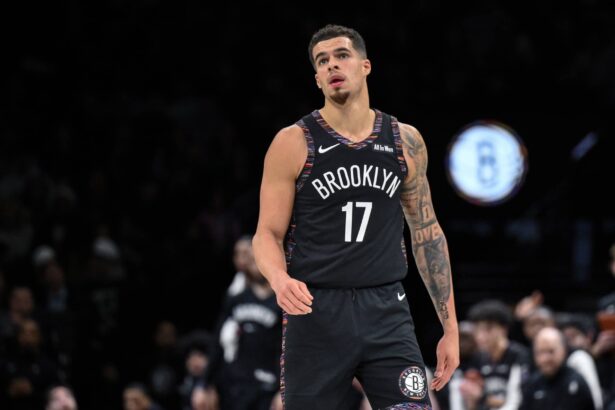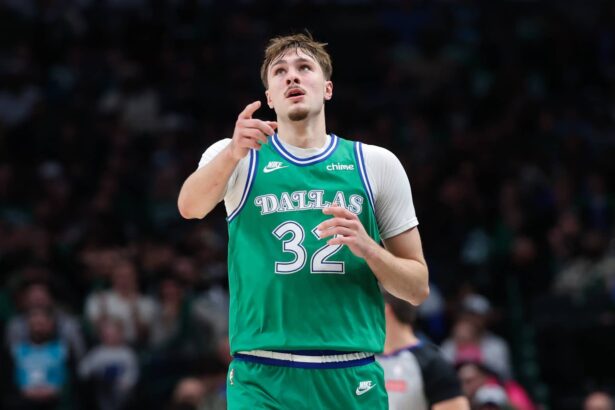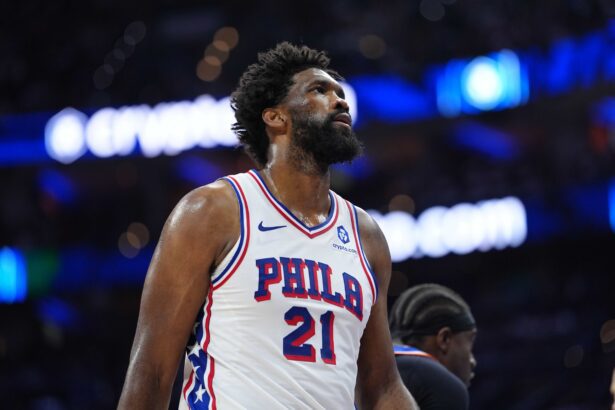
Nothing about this night made sense if you walked into it blind. The Oklahoma City Thunder were run off their own floor by a Charlotte Hornets team that came in with a 12-23 record and nothing resembling momentum. This was supposed to be an easy game where the starters likely get benched at some point in the fourth quarter. Instead, it turned into one of the most shocking results of the entire NBA season, with a 124-97 result in favor of the Hornets.
The Thunder still own the best record in basketball, but the shine cracked loudly here. After opening the year 24-1, they’ve now slid to 30-7, and this marked their second straight loss, except this one came with no excuses.
Charlotte led by as many as 30, shot the lights out, and never looked threatened. From the opening quarter on, the Hornets played freer, tougher, and far more connected than the league’s top team. Let’s dive into the five major reasons why the Thunder couldn’t compete on Monday night.
1. Charlotte Shot Oklahoma City Right Out Of The Building
This game ended the moment Charlotte realized every look was clean. The Hornets finished 41-of-77 from the field (53.2%) and an absurd 19-of-37 from three, good for 51.4%. That was a full-game shooting clinic. Brandon Miller alone buried 7 threes on 10 attempts, finishing with 28 points and a staggering +33 plus-minus.
LaMelo Ball piled on with 23 points, five assists, and five rebounds, hitting 5-of-7 from deep, while Kon Knueppel added 16 points and four more threes. Oklahoma City couldn’t chase shooters off the line, couldn’t rotate in time, and couldn’t disrupt rhythm. By halftime, Charlotte already had 10 made threes. By the fourth quarter, it felt automatic.
2. The Thunder’s Offense Completely Fell Apart
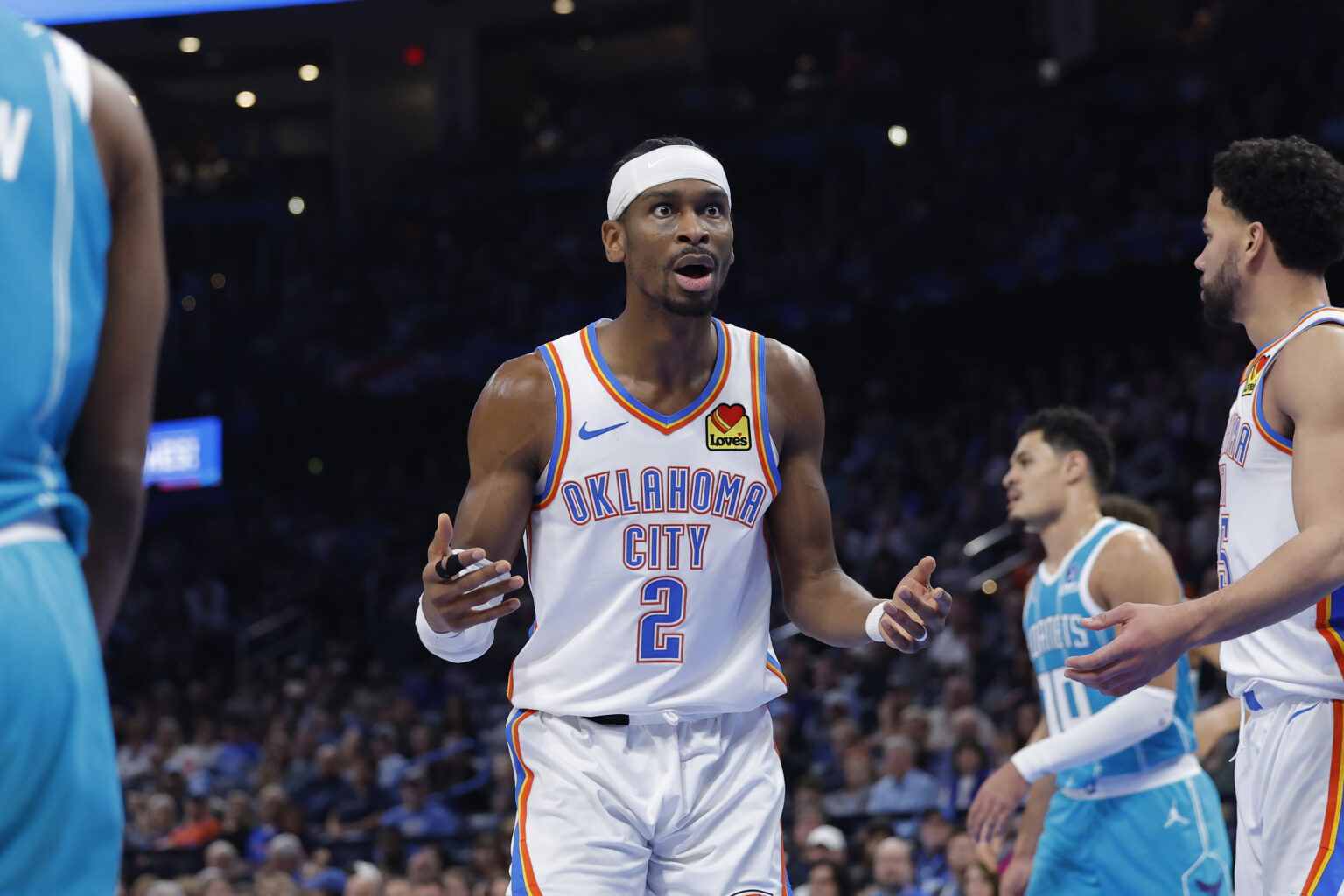
While Charlotte was carving them up, Oklahoma City couldn’t buy a clean look. The Thunder shot 34-of-93 overall (36.6%) and an ugly 11-of-39 from three (28.2%). That’s not just bad; that’s broken offense. Shai Gilgeous-Alexander finished with 21 points, but it took 21 shots, and he went 1-of-6 from deep.
Jalen Williams added 16 points on 6-of-14, while Chet Holmgren’s 15 points came with little impact as the deficit ballooned. The ball stopped moving, the spacing collapsed, and possessions ended with late-clock heaves. Oklahoma City recorded just 18 assists, well below their usual standard, and never found a second gear.
3. Charlotte Owned The Glass And Were Very Physical
This wasn’t supposed to happen against one of the league’s most disciplined teams, but Charlotte bullied Oklahoma City inside. The Hornets won the rebounding battle 52-33, including 40 defensive boards that shut off second chances entirely. Oklahoma City finished with just 20 defensive rebounds all night, a shocking number.
Moussa Diabate quietly dominated the interior with 12 rebounds (six offensive) in only 29 minutes, while Miles Bridges chipped in 11 boards of his own. Even when Oklahoma City forced misses, Charlotte was first to the ball. The Thunder looked light, reactive, and late to every loose rebound.
4. Defensive Identity Completely Gone
The Thunder forced 14 steals, which normally would tilt a game. It didn’t matter. Charlotte absorbed the pressure, coughed it up 21 times, and still turned those mistakes into minimal damage. Oklahoma City scored just 8 points off turnovers, while Charlotte burned OKC’s mistakes for 29 points the other way.
The Hornets consistently broke initial pressure, swung the ball, and attacked scrambled closeouts. Oklahoma City recorded five blocks, but they were isolated highlights in an otherwise leaky performance. Rotations were slow. Communication looked off. For a team that prides itself on cohesion, this was unrecognizable.
5. The Game Looked Over Long Before The Final Buzzer
The most alarming part wasn’t the final score, it was how early this got out of hand. Charlotte’s largest lead was 30, and the Thunder never seriously threatened after the midway point of the third quarter. Oklahoma City’s starters posted brutal plus-minus numbers: Aaron Wiggins (-26), Chet Holmgren (-25), Jalen Williams (-23), Shai (-20).
Even the bench couldn’t stabilize things. Isaiah Joe went 1-of-7, Cason Wallace managed two points in 25 minutes, and the energy never flipped. This wasn’t a bad stretch. It was a complete massacre when it comes to efficiency, especially when realizing the Hornets shot 92.0% from the stripe and scored a whopping 124 points.