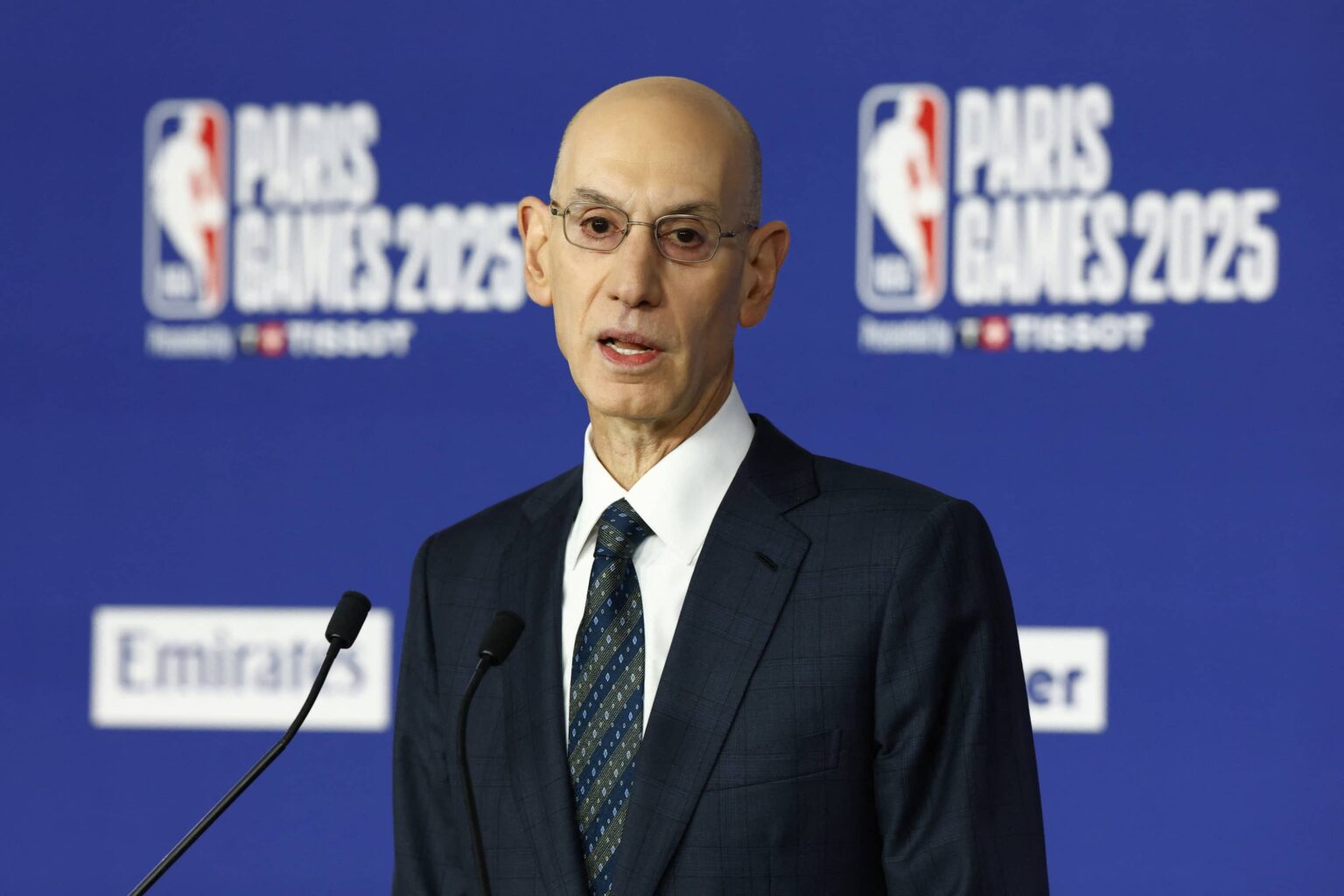
NBA commissioner Adam Silver stepped in to halt a controversial promotion planned by the Atlanta Hawks, bringing an end to the team’s proposed ‘Magic City Night’ event that had sparked debate across the basketball world.
The promotion was originally scheduled for the Hawks’ March matchup against the Orlando Magic and was intended to celebrate one of Atlanta’s most famous nightlife landmarks, Magic City. The strip club has long been part of the city’s hip hop and celebrity culture, and the event was expected to include themed merchandise, appearances by rapper T.I., and even the club’s well-known lemon pepper wings served inside the arena.
However, the idea quickly drew criticism from several voices across the league. The most prominent objection came from Luke Kornet of the San Antonio Spurs, who publicly urged the Hawks to cancel the event. Kornet argued that celebrating a strip club conflicted with the league’s responsibility to maintain a respectful and family-friendly environment.
As the controversy grew, Adam Silver ultimately intervened. In a statement addressing the situation, Silver explained that the league had heard widespread concerns from various stakeholders.
“When we became aware of the Atlanta Hawks’ scheduled promotion, we reached out to Hawks leadership to better understand their plans and rationale. While we appreciate the team’s perspective and their desire to move forward, we have heard significant concerns from a broad array of league stakeholders, including fans, partners, and employees.”
“I believe canceling this promotion is the right decision for the broader NBA community.”
The league’s move reflects the delicate balance the NBA tries to maintain between embracing local culture and preserving its image as a global family-oriented product. NBA arenas are designed to be spaces where fans of all ages can attend games, and the league has invested heavily in community outreach, youth programs, and initiatives centered on inclusion and respect.
Critics of the promotion argued that honoring a strip club blurred the lines between entertainment culture and the environment the NBA aims to promote. Kornet, in particular, emphasized that the league should strive to create a setting where daughters, sons, parents, and families feel comfortable attending games without messages that could be interpreted as objectifying women.
At the same time, the issue sparked a broader debate within the basketball community. Some players and fans defended the idea as a harmless tribute to Atlanta culture. Draymond Green, for example, suggested that Magic City is part of the city’s identity and argued that dismissing it entirely could overlook the choices and agency of the women who work there.
In the end, Silver’s decision to shut down ‘Magic City Night’ signals the league’s commitment to maintaining a consistent standard across all franchises. From a league-wide perspective, the commissioner was absolutely right to step in.
The NBA presents itself as a space where families, children, and fans of all ages can come together to enjoy basketball. Promoting a strip club, even as part of a cultural tribute, risks sending the wrong message and creating a distraction from the sport itself.