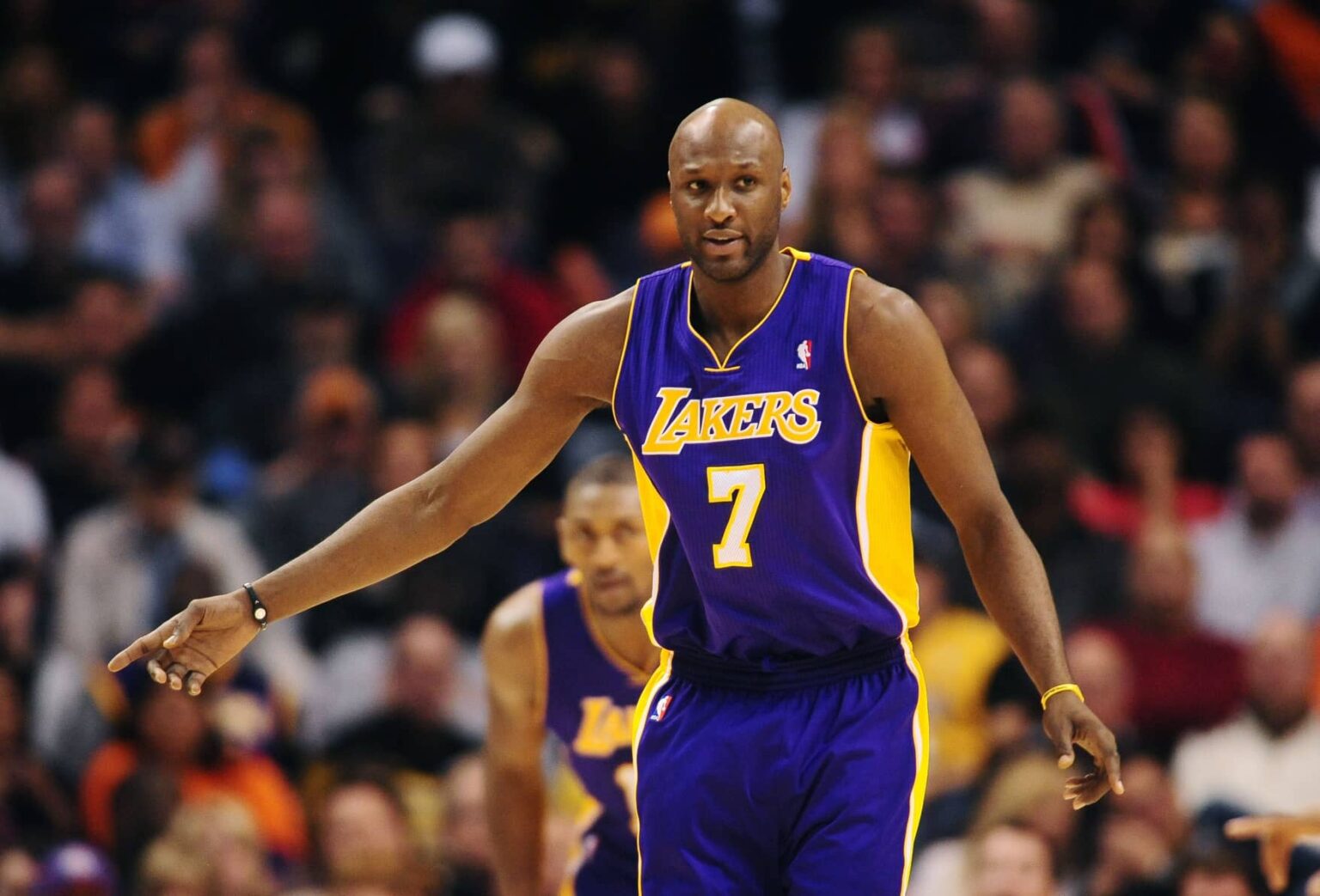
Lamar Odom has spent years being treated like a punchline, a cautionary tale, or a headline frozen in time. This week, he reminded everyone just how close he came to not being here at all. Speaking on the Locked In podcast, Odom opened up with staggering honesty about the medical reality of what happened to him in Las Vegas in 2015, and how survival itself feels almost unexplainable.
“I mean, first of all, I had to, you know, it took me some time. Not really, but just like till recently. I mean, obviously I’m probably here for a reason, right? ’Cause I don’t know no celebrity, no person that gets, first of all, totally, totally disadvantaged, used, and taken advantage of to be put in that position.”
“I think this is probably one of the only reasons why God saved me, because I didn’t really say, ‘Yo, let me take an eight ball of cocaine and do it before I go to the strip club.’ I mean, before I go to the strip club or hang out or anything like that, you know? But like, it’s kind of medically impossible to have 12 strokes and six heart attacks and survive, whether you’re awake or not awake.”
“I don’t know if you can probably find anybody that, I mean, one stroke and people be like, can’t even move a side. You know what I mean? So I don’t know, six strokes, 12 heart attacks. I’m probably here for a reason. To tell people my story. I guess hopefully it changes their lives.”
That is the part most people never saw. While the world laughed, judged, or dismissed him as just another celebrity who went too far, Odom was fighting to stand up, to speak clearly, to take a step without falling. He did not care what people were calling him.
What followed the collapse at the Las Vegas brothel was not a dramatic comeback montage. It was humiliation, fear, and relearning how to exist.
“Like, I had 12 strokes and six heart attacks. How the f**k I get here? But I couldn’t even walk or talk. I couldn’t even say what happened to me, or I couldn’t even get the words to murmur out my mouth for months or weeks at least at a time. I could give a f**k about that. I had other fish to fry.”
“Like, I had to learn. I couldn’t hold my bowels. You talk about being humbled. Being called a crackhead or a drug addict. Like, I’m a two-time champion in this city and I’m sitting in the Sinai, and I can’t even, I gotta get my f**king diaper changed every three to four hours ’cause I can’t even hold my bowels. I gotta learn how to walk.”
What makes Odom’s story hit differently now is the clarity with which he tells it. There is no denial. No deflection. No attempt to soften the truth. He knows how close he came to death. He knows how unlikely his survival was. And he understands that recovery is not just physical. It is living with the memory of how quickly everything can be taken away.
Odom’s career will always include championships, Sixth Man of the Year conversations, and elite versatility for the Lakers. But his legacy is now inseparable from survival. From humility. From standing back up after being broken in ways most people never experience.