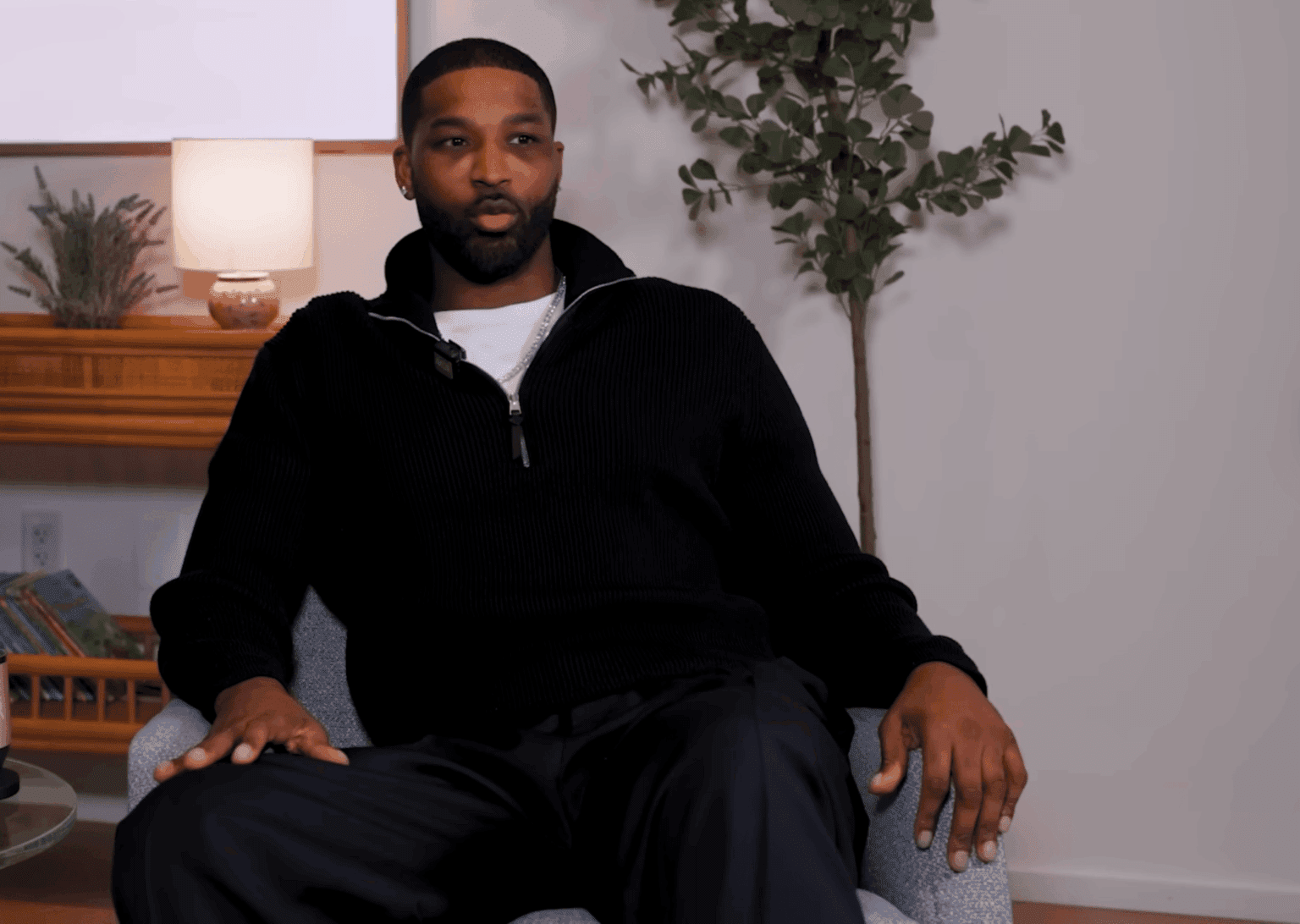
Tristan Thompson has stepped into one of the most debated topics in sports, offering a perspective shaped less by headlines and more by personal experience.
Speaking on The Katie Miller Podcast, Thompson framed the issue through the lens of family first. As a father with daughters and nieces, he focused on fairness and opportunity.
“Yeah, I think for me as a father, and I think it’s more so for me as a father, and I have daughters and nieces, I think it’s different. I understand how you identify, but me as a competitor, it wouldn’t be fair for me to go play in the WNBA.”
“That wouldn’t be fair, because these amazing young athletes have worked blood, sweat and tears to get to where they want to get to. It wouldn’t be fair for me to jump into their sport. So I think, obviously, it’s very controversial. But for me as a parent, I would love for my daughter, if she wanted to be an Olympic athlete, to compete with others who were born very similar to where she was.”
“But I understand both sides. That’s how I feel.”
The timing of his comments matters. The sports world has recently seen major policy shifts. The International Olympic Committee announced that transgender women and athletes with differences in sex development will not be eligible to compete in female categories at the 2028 Olympics.
The decision was framed around fairness and safety in elite competition, with officials citing measurable performance advantages in strength, speed, and endurance.
At the same time, policy changes in the United States have also shaped the conversation. Under Donald Trump’s administration, Executive Order 14201 aimed to restrict transgender women from participating in girls’ and women’s sports at multiple levels. The order tied compliance to federal funding, making it a significant shift in how institutions approach eligibility rules.
Thompson’s comments sit within that larger context. His argument does not rely on policy language or political framing. Instead, he returns to competition itself.
For him, the issue is not abstract. It is tied to how athletes prepare, train, and compete. He used a simple comparison. As an NBA player, stepping into a women’s league would create an uneven playing field. That example anchors his view.
His appearance on the podcast also included comments beyond sports policy. In the same conversation, Thompson expressed support for Donald Trump, saying, “I love what he’s done so far for our country,” while also sharing a more nuanced view on immigration, emphasizing that cases should be evaluated individually.
The debate around transgender athletes is not going away. It sits at the middle of identity, fairness, science, and policy. Voices like Thompson’s add another layer, especially because they come from inside professional sports.