Believe it or not, the 2025-26 NBA season is over halfway done, and we have a good idea of which teams will likely be the last ones standing by the end of the season.
The All-Star break is giving us a pause in action, and once the second half of the season starts, playoff basketball starts getting played, and we can’t wait for it. Meanwhile, let’s power rank all the NBA teams from bottom to top to see who has truly stood out from the rest.
This is the stretch of the calendar where identities are no longer theoretical. Contenders have separated themselves with elite net ratings and road wins. Play-in hopefuls are clinging to consistency. Rebuilding teams are pivoting toward development and lottery positioning. With that in mind, here are the full NBA power rankings heading into the All-Star break.
30. Sacramento Kings – (12-44)
W/L Percentage: .214
PPG: 110.1
OPPG: 120.6
At 12-44 with a -10.5 scoring differential, the Kings have struggled on both ends, ranking near the bottom defensively while lacking the offensive punch (110.1 PPG) to compensate. Allowing 120.6 points per game makes closing games nearly impossible. Development and draft positioning are the clear priorities now, because a roster headlined by Zach LaVine, DeMar DeRozan, and Russell Westbrook in 2026 isn’t going to cut it at all. It didn’t help that Domantas Sabonis has only played 19 games so far this season.
29. Washington Wizards – (14-39)
W/L Percentage: .264
PPG: 112.2
OPPG: 123.1
The Wizards score a respectable 112.2 PPG but surrender 123.1, one of the worst defensive marks in the league. The effort is there offensively, yet the lack of rim protection and perimeter containment has buried them in the standings. The Wizards have made some win-now moves with Trae Young and Anthony Davis, but we won’t be seeing them this season as they tank the rest of the campaign.
28. Indiana Pacers – (15-40)
W/L Percentage: .273
PPG: 111.1
OPPG: 118.6
Indiana’s 111.1 PPG isn’t terrible, but giving up 118.6 per night has neutralized any offensive rhythm. At this stage, evaluating young talent and finding defensive anchors will define the rest of their season, along with waiting until next season. Once Tyrese Haliburton returns, he will have Pascal Siakam and Ivica Zubac waiting for him, and the Pacers could be a major problem in the East as a result.
27. New Orleans Pelicans – (15-41)
W/L Percentage: .268
PPG: 114.6
OPPG: 120.4
The Pelicans can score (114.6 PPG), but their 120.4 OPPG underscores defensive inconsistency. Injuries and lineup instability have made sustained momentum nearly impossible, as expected. The Pelicans need to blow it all up sooner rather than later, and trading Zion Williamson has to be the next step towards that. Until then, the Pelicans will struggle.
26. Brooklyn Nets – (15-38)
W/L Percentage: .283
PPG: 107.7
OPPG: 114.9
Brooklyn’s 107.7 PPG ranks among the league’s lowest, and even with a slightly better defensive mark (114.9 OPPG), they lack the shot creation needed to win close games consistently. Other than Michael Porter Jr., the Nets have no weapons, and they just let Cam Thomas walk for nothing. The Nets are clearly tanking, and we don’t see how they win over 25 games this season as a result.
25. Utah Jazz – (18-38)
W/L Percentage: .321
PPG: 118.3
OPPG: 125.8
Utah plays fast and scores (118.3 PPG), but its league-worst 125.8 OPPG erases that advantage nightly. Entertaining? Yes. Competitive in crunch time? Rarely. The Jazz made the strange move to acquire Jaren Jackson Jr before the trade deadline, despite him being shut down for the rest of the season. We have to see how the Jazz look next season once Jackson Jr returns, as the likes of Keyonte George continue to develop.
24. Dallas Mavericks – (19-35)
W/L Percentage: .352
PPG: 114.1
OPPG: 117.3
The Mavericks are stuck in the middle of a transition year. Scoring 114.1 PPG while allowing 117.3 reflects a team that can compete offensively but lacks the defensive edge to string wins together. Cooper Flagg has been the lone bright spot, and quite frankly, one of the brightest spots around the league. The Mavericks reset is well underway, and we can’t wait to see them possibly grab another top-five pick this season.
23. Memphis Grizzlies- (20-33)
W/L Percentage: .377
PPG: 115.3
OPPG: 117.5
At 20-33, Memphis has been inconsistent on both sides, posting a narrow -2.2 differential. The 115.3 PPG shows potential, but defensive lapses (117.5 OPPG) have defined too many losses. That’s why the Grizzlies traded Jackson Jr away and tried to do the same for Ja Morant, but they couldn’t find a buyer. They head towards a long second half of the season before praying for the best in the lottery.
22. Milwaukee Bucks – (22-30)
W/L Percentage: .423
PPG: 111.8
OPPG: 115.6
Seeing Milwaukee at 22-30 is unsurprising, but a -3.8 differential tells the story. Their 111.8 PPG offense hasn’t been dominant enough to offset defensive regression at 115.6 OPPG. Other than Giannis Antetokounmpo, nobody has pulled their weight. Cam Thomas was a great signing, but we don’t know if it will be enough to give Giannis enough help to drag a below-average team into the play-in tournament.
21. Chicago Bulls – (24-31)
W/L Percentage: .436
PPG: 116.8
OPPG: 120.6
Chicago’s 116.8 PPG suggests offensive firepower, yet allowing 120.6 per game has capped their ceiling. They remain competitive most nights but struggle to finish. The Bulls are on their way to a long rebuild after trading Nikola Vucevic, while trying to sneak into the play-in tournament in a wide-open East. At least Josh Giddey is playing at a near All-Star level this season.
20. Atlanta Hawks – (26-30)
W/L Percentage: .464
PPG: 117.3
OPPG: 118.6
The Hawks are nearly neutral in scoring margin (-1.3), reflecting their .464 record. With 117.3 PPG, the offense hums, but defensive execution (118.6 OPPG) remains their Achilles’ heel. The Hawks are somewhere in the middle of tanking and trying to sneak into the playoffs, since they traded Trae Young and believe strongly in first-time All-Star Jalen Johnson. Let’s see what happens with them.
19. Portland Trail Blazers- (27-29)
W/L Percentage: .482
PPG: 116.0
OPPG: 118.3
Portland has hovered around .500 thanks to steady scoring (116.0 PPG), but defensive inconsistencies (118.3 OPPG) have kept them from climbing higher. Still, a core group of Deni Avdija, Shaedon Sharpe, Toumani Camara, and others looks very promising, and we can’t wait to see how they play once Damian Lillard returns. Hopefully, Trail Blazers fans can see their team in the play-in tournament.
18. Charlotte Hornets – (26-29)
W/L Percentage: .473
PPG: 115.7
OPPG: 113.8
Unlike other sub-.500 teams, Charlotte owns a positive differential (115.7 PPG vs. 113.8 OPPG). That suggests they’re more competitive than their record indicates, a potential second-half sleeper. LaMelo Ball, Kon Kneuppel, Brandon Miller, and Miles Bridges are talented enough to get the Hornets firing on all cylinders, and they are slowly becoming must-watch television right now.
17. Los Angeles Clippers- (26-28)
W/L Percentage: .481
PPG: 111.9
OPPG: 112.3
The Clippers are nearly break-even on both ends (111.9 PPG, 112.3 OPPG) so far, but they will likely start dropping games since they traded James Harden and Ivica Zubac before the trade deadline. Their success will hinge on late-game execution and the health of Kawhi Leonard as the playoff picture tightens, because we simply don’t see how the team can compete with a single superstar carrying the load.
16. Orlando Magic – (28-25)
W/L Percentage: .528
PPG: 115.1
OPPG: 115.2
Orlando’s razor-thin differential (115.1 vs. 115.2) mirrors their steady but unspectacular play. They’re disciplined, competitive, and firmly in the postseason mix in the East, but we haven’t been impressed. Paolo Banchero hasn’t taken off as we expected him to, and the trade for Desmond Bane hasn’t worked out. The Magic better pick it up fast if they want to start making noise instead of slowly flaming out.
15. Miami Heat – (29-27)
W/L Percentage: .518
PPG: 119.6
OPPG: 117.2
The Heat have leaned into offense this season, averaging 119.6 PPG. While their defense (117.2 OPPG) hasn’t been elite, their ability to win tight games keeps them safely above .500. Anytime Erik Spoelstra and Bam Adebayo are together, there is always hope for the Heat in a wide-open Eastern Conference. We expected the Heat to go after Ja Morant, but since it didn’t happen, the team will likely stay in the middle among all teams.
14. Golden State Warriors- (29-26)
W/L Percentage: .527
PPG: 115.5
OPPG: 113.7
Golden State’s +1.8 differential highlights a team rounding into form. At 115.5 PPG and allowing 113.7, they remain dangerous if their core peaks at the right time because Stephen Curry is still the best shooter on Earth. Acquiring Giannis Antetokounmpo would have bolstered the Warriors‘ title chances to a different stratosphere, but only getting Kristaps Porzingis likely won’t be enough.
13. Philadelphia 76ers – (30-24)
W/L Percentage: .556
PPG: 116.2
OPPG: 115.9
Philadelphia’s +0.3 margin doesn’t jump off the page, but 30 wins do. Their 116.2 PPG offense gives them a playoff foundation, though defensive tightening (115.9 OPPG) is necessary. Joel Embiid has played like a superstar when healthy, and Tyrese Maxey is a bona fide star as well. With two elite players and some solid role players, the 76ers are a major sleeper in the East.
12. Toronto Raptors – (32-23)
W/L Percentage: .582
PPG: 113.8
OPPG: 112.3
Toronto’s balanced profile (113.8 PPG, 112.3 OPPG) and .582 record reflect consistency. They may not dominate statistically, but they execute well late in games thanks to Scottie Barnes and Brandon Ingram. Will the Raptors have enough to get out of the first round? We don’t think so, but if the team starts clicking after the All-Star break, they might be scarier than we originally thought.
11. Phoenix Suns – (32-23)
W/L Percentage: .582
PPG: 113.6
OPPG: 111.8
The Suns’ +1.8 differential is built on solid defense (111.8 OPPG). They’re steady, efficient, and firmly in the West’s upper tier when nobody would have thought it could be possible after losing Kevin Durant. Dillon Brooks has played like an All-Star, Devin Booker is a top-two shooting guard in the world, and the Suns compete with heart.
10. Minnesota Timberwolves – (34-22)
W/L Percentage: .607
PPG: 119.7
OPPG: 114.8
Minnesota’s explosive 119.7 PPG offense fuels their 34 wins. While defense (114.8 OPPG) can fluctuate, their scoring ceiling makes them dangerous in any series. Anthony Edwards and Julius Randle are a dynamic duo that no team in the West wants to see, and that puts the Timberwolves in a strong light in the second half of the season.
9. Los Angeles Lakers- (33-21)
W/L Percentage: .611
PPG: 115.9
OPPG: 116.3
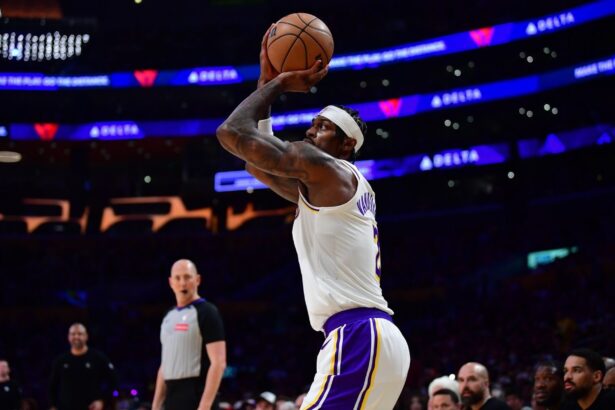
Despite allowing 116.3 PPG and looking slow and unathletic against better teams, the Lakers’ 115.9 scoring output and .604 winning percentage show resilience. They’ve won games in different styles, which bodes well for playoff adaptability. We can never count out Luka Doncic, LeBron James, and Austin Reaves, so the Lakers will remain a top-10 team moving forward. Can they get higher? We don’t think so.
8. Cleveland Cavaliers – (34-21)
W/L Percentage: .618
PPG: 120.0
OPPG: 115.9
Cleveland’s 120.0 PPG ranks among the league’s best, and their +4.1 differential signals legitimacy. They’ve become one of the East’s most consistent two-way teams, especially after the James Harden trade, and we could see them in the Eastern Conference Finals as a result. For the second half of the season, the Cavaliers need to fine-tune their backcourt of Harden and Donovan Mitchell because they can be unstoppable at times.
7. Houston Rockets – (33-20)
W/L Percentage: .623
PPG: 114.6
OPPG: 109.6
Houston owns one of the better defensive profiles in the league (109.6 OPPG). Pair that with 114.6 PPG and a .623 record, and you have a balanced contender emerging. The Kevin Durant trade has worked out for them so far, because the superstar has played in 50 out of 53 games for the team and has arguably been a top-10 player in the world. The Rockets are still very young and aren’t ready to win, but they will remain a nightmare matchup for anyone.
6. Denver Nuggets – (35-20)
W/L Percentage: .636
PPG: 120.4
OPPG: 116.3
Denver’s offense is elite at 120.4 PPG. While they allow 116.3, their ability to control tempo and execute late keeps them in the contender conversation. Nikola Jokic and Jamal Murray are two legitimate superstars offensively, and the Nuggets‘ bench is deeper than ever. The Nuggets will be an elite team for the remainder of the season, and their goal should be getting Aaron Gordon healthy before the playoffs.
5. New York Knicks – (35-20)
W/L Percentage: .636
PPG: 118.0
OPPG: 111.9
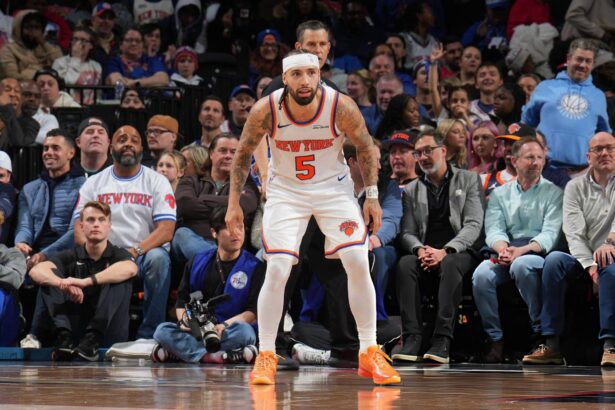
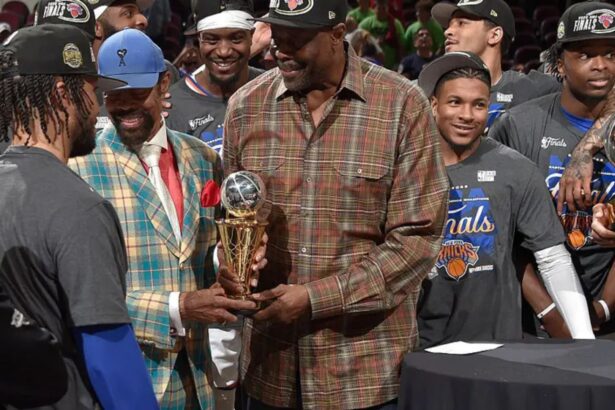
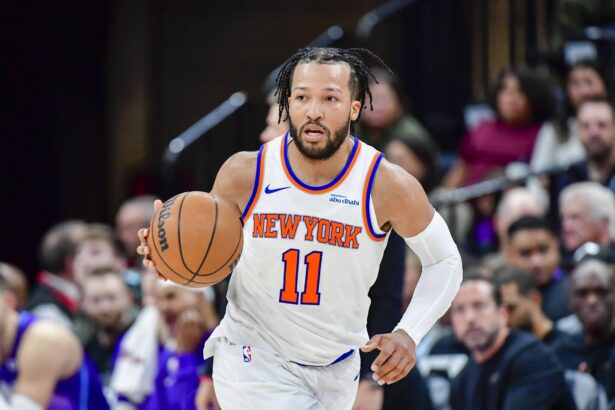
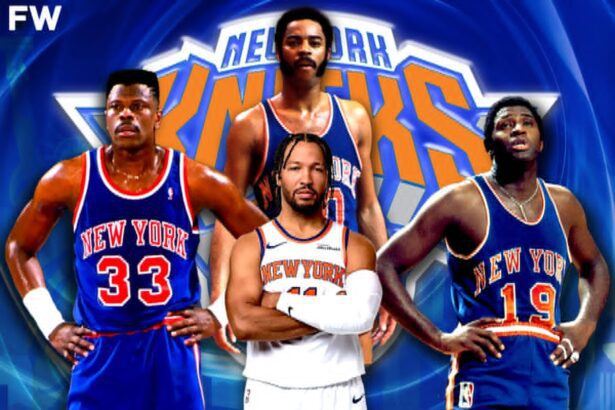
The Knicks boast a strong +6.1 differential (118.0 vs. 111.9). Their defensive commitment has elevated them from playoff team to legitimate title-contender overall. Other than the Pistons, no team is more built for the NBA Finals in the East than the Knicks. They have star players, a deep bench that is getting even more reinforcements, and a fanbase that is ready to support. The Knicks are also the Mid-Season Tournament champs, so they have to ride their momentum in the second part of the season.
4. Boston Celtics – (35-19)
W/L Percentage: .648
PPG: 115.3
OPPG: 108.4
Boston’s 108.4 OPPG is among the league’s best, fueling a +6.9 margin. Their defensive identity remains championship-caliber, and Jaylen Brown has been a legitimate MVP all season long. We didn’t expect the Celtics to be this good with Jayson Tatum out, but we have to give them credit: they believe they can be a top-two team in the East without a doubt.
3. San Antonio Spurs- (38-16)
W/L Percentage: .704
PPG: 118.1
OPPG: 112.2
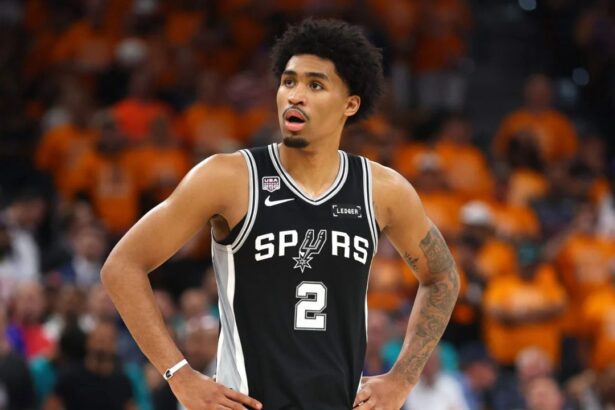
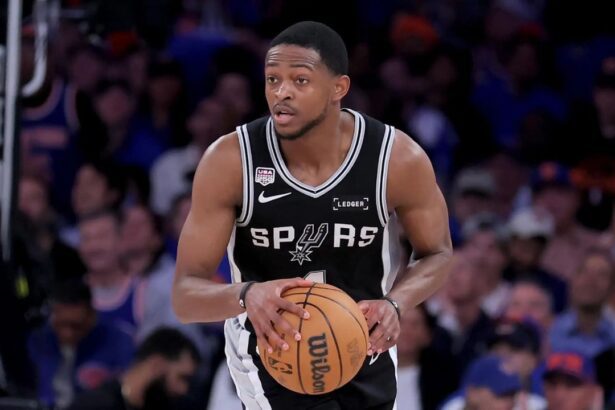
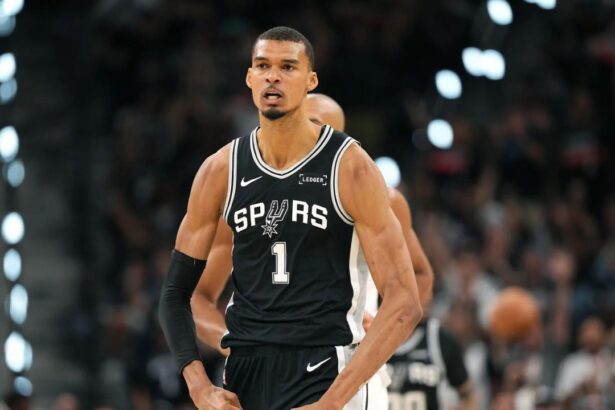
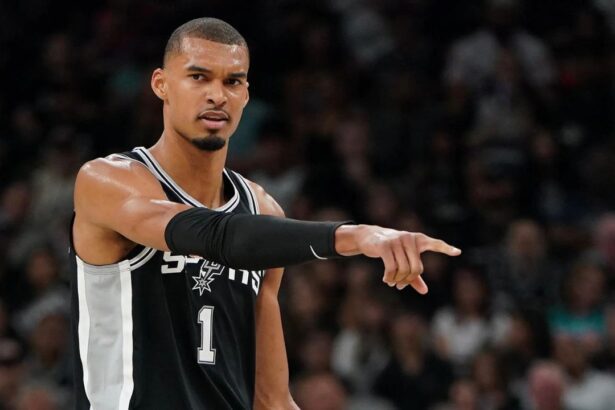
At .704, the Spurs have been a revelation. Their +5.9 differential (118.1 vs. 112.2) shows balance, discipline, and maturity well beyond expectations. Victor Wembanyama is starting to look scary, and teams are probably scrambling to find ways to slow them down. Nobody wants to play the Spurs on any given night, and that’s why they are the third-best team in the league.
2. Detroit Pistons – (40-13)
W/L Percentage: .755
PPG: 117.2
OPPG: 109.3
Detroit’s .755 win percentage and +7.9 margin (117.2 vs. 109.3) signal dominance. They defend at a high level and close games with poise, which is why they are the best team in the East. Cade Cunningham is a perennial MVP candidate, and the team is built on toughness and heart around their star. It’s about time people start realizing the Pistons are a legitimate threat to win it all.
1. Oklahoma City Thunder – (42-13)
W/L Percentage: .764
PPG: 120.2
OPPG: 108.0
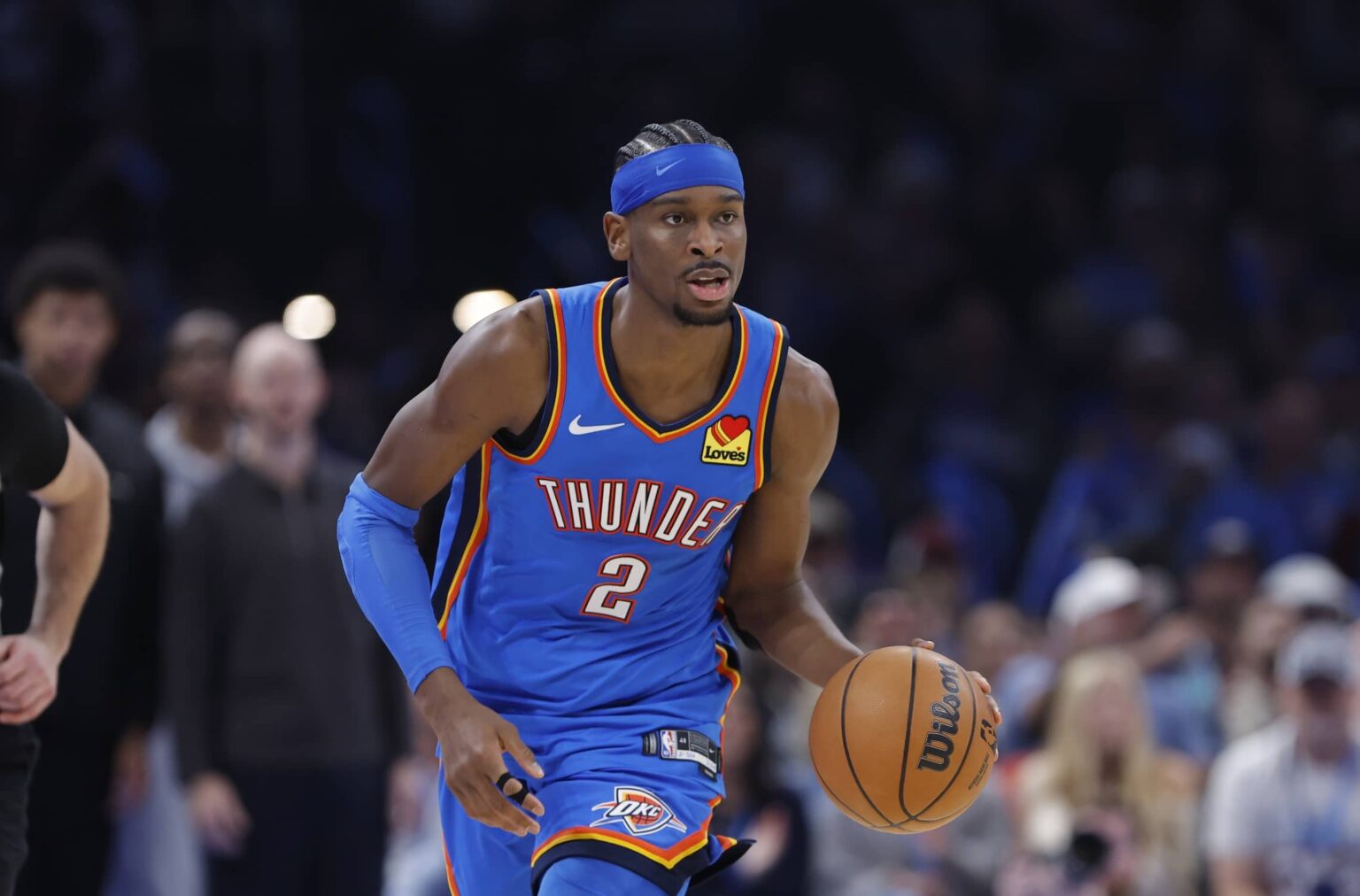
As expected, the OKC Thunder sit atop the league at 42-13 with the NBA’s best net margin (+12.2). Scoring 120.2 PPG while allowing just 108.0, they’ve been the most complete, consistent, and explosive team entering the All-Star break. They haven’t even had Shai Gilgeous-Alexander over the past few games, but are still winning games. The Thunder are the massive favorites to win their second-straight title, and the second half of the season will likely reflect that.