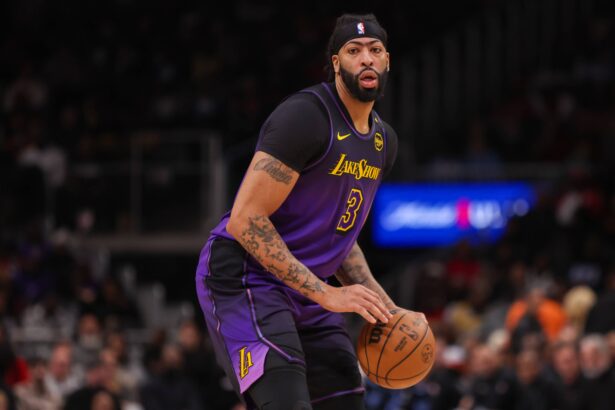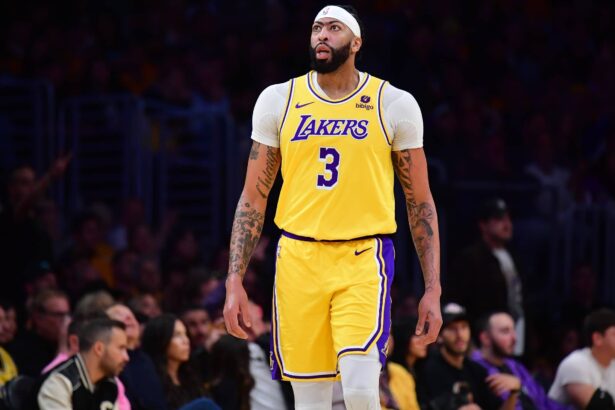
The Lakers could turn the No. 25 pick into more draft volume and more cap flexibility in this proposed trade with the Nets.
The deal would send No. 25, Dalton Knecht, and Jake LaRavia to the Nets for No. 33, No. 43, and three future second-round picks: the 2028 second-round pick from the Hawks, the 2029 second-round pick from the Mavericks, and the 2030 second-round pick from the Celtics.
For the Lakers, the appeal is simple. They move down only eight spots, add five second-round picks in total, and clear more than $10.0 million in salary by moving Knecht and LaRavia. For a team trying to create flexibility around expensive stars, this would be a smart draft-night move.
Proposed Trade Details
Los Angeles Lakers Receive: No. 33 pick, No. 43 pick, 2028 second-round pick (ATL), 2029 second-round pick (DAL), 2030 second-round pick (BOS)
Brooklyn Nets Receive: No. 25 pick, Dalton Knecht, Jake LaRavia
This is a major pick-volume trade. It also makes sense for where the Lakers are as a roster. Dalton Knecht is owed $4.2 million in 2026-27. Jake LaRavia is owed $6.0 million. Together, that is $10.2 million in guaranteed salary going out. The Lakers also move off the No. 25 pick, which would carry a first-round rookie-scale salary of about $3.3 million in 2026-27 if signed at the usual 120.0% rookie-scale amount. The two incoming picks are second-rounders, so the Lakers would have more control over contract structure and timing.
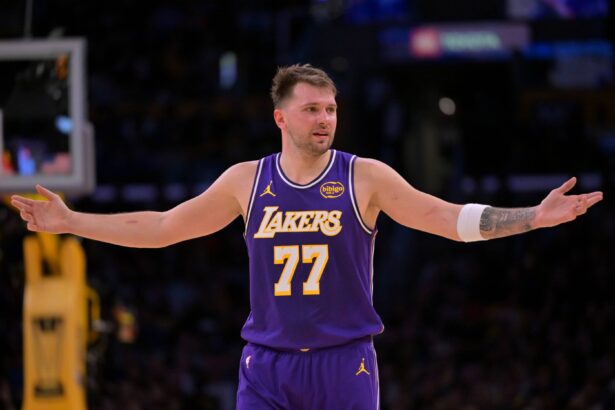
That is the real financial value. The Lakers not only add future draft assets, but they also create a cleaner cap sheet around Luka Doncic, Austin Reaves, and LeBron James, if he stays, and whatever bigger move they want to chase.
Why The Lakers Would Do It
The Lakers are in a very specific spot. They are not rebuilding. They are trying to win now, but they also need more roster flexibility. They reached the second round, but their roster still had clear needs: more athletic defense, more frontcourt reliability, more shooting that can stay on the court, and more ways to add cheap players around expensive stars.
This trade helps that part.
Knecht had a rough second season. He played 54 games and finished with 4.2 points, 1.4 rebounds, and 0.4 assists while shooting 45.5% from the field. The shooting profile is still interesting, but his role clearly dropped. He was not a regular playoff-level rotation piece, and the Lakers already explored moving him in past trade talks. At this point, his value is more as a young salary asset than as a locked-in rotation answer.
LaRavia was more stable. He played 82 games and gave the Lakers 8.2 points, 4.0 rebounds, and 1.8 assists in 25.1 minutes per game while shooting 45.9% from the field. He can play forward minutes, rebound a little, pass a little, and fit in lineups without needing touches. But his $6.0 million salary matters if the Lakers are trying to maximize cap space.
The Lakers would be giving up two players who are useful but not essential. In return, they would get more draft shots and more flexibility.
No. 33 is not a faraway second-round pick. It is only eight spots after No. 25. The salary difference is important, but the prospect gap may not be huge. In many draft classes, the player available at 25 and the player available at 33 are in the same tier. That is why moving down can be smart if the team also gets extra assets.
No. 43 gives the Lakers another cheap swing. The three future second-rounders give them more trade tools. Second-round picks are not star assets, but they matter under the new CBA. Expensive teams need cheap contracts. They also need small assets to finish trades without touching first-round picks.
That is why this trade works for the Lakers. It gives them pick depth, salary relief, and more optionality without giving up a top asset.
Why The Nets Would Do It
The Nets are in a different position. They have cap space, a deep pick stash, and more patience. That makes them the right team to absorb Knecht and LaRavia while using extra second-round picks to move up.
The key is No. 25. The Nets already have No. 6 in the first round, plus No. 33 and No. 43 in the second round. Taking three rookies in one draft is not always ideal. Roster spots are limited, and second-rounders can get squeezed fast if the team also wants to use cap space in free agency.
This deal turns two seconds and three future seconds into a guaranteed first-rounder at No. 25, plus two players who can be evaluated in bigger roles.
Knecht makes sense for the Nets because they can give him minutes without the same pressure. The Lakers need role players who can help Doncic win playoff games right now. The Nets can take a different approach. They can give Knecht touches, test his shooting volume, and see if his rookie-year scoring flashes come back with a longer leash.
LaRavia gives the Nets a safer rotation forward. He is not a high-upside piece, but he is 24, under contract for $6.0 million, and can play regular-season minutes. For a team with cap space, that is not a damaging contract. It is a useful salary slot and a player who can help the regular rotation.
The Nets also keep the most important pick: No. 6. That is the main part of their draft. No. 25 would give them a second first-rounder, and that matters. First-round picks get four-year rookie-scale control. They are more valuable than second-round picks if the team likes a player in that range.
This is the type of consolidation move that makes sense for a team with too many seconds. The Nets would still have a large future draft base, but they would turn some of that volume into one better 2026 pick and two usable players.
The Salary Cap Side
The financial part is the strongest argument for the Lakers.
Knecht and LaRavia combine for $10.2 million in 2026-27 salary. Moving both into the Nets’ cap space would remove that full amount from the Lakers’ books. That matters because the Lakers are expected to operate with major cap flexibility depending on what happens with James, Reaves, and their free-agent decisions.
The No. 25 pick also has a cost. The 2026-27 rookie scale for the No. 25 pick is about $3.3 million in first-year salary. That is not a huge number, but every million matters when a team is trying to create room or stay below important thresholds.
Second-round picks are different. The Lakers could sign No. 33 and No. 43 to cheaper deals, use the second-round pick exception, stash a player, or structure contracts with more flexibility than a first-round rookie-scale deal. That gives them more control.
The Lakers need pathways. They can use cap space. They can use picks in trades. They can carry cheaper young players. They can also avoid stacking too many mid-tier salaries that block bigger moves.
For the Nets, the salary part is not a problem. They are projected to have enough room to absorb contracts. Adding $10.2 million for Knecht and LaRavia would still leave them flexible, and both players are young enough to fit a development timeline.
Why This Is A Realistic Trade
This deal is realistic because both teams would be acting from their own situation.
The Lakers would not be dumping players for nothing. They would get No. 33, No. 43, and three future second-round picks. That is a lot of draft capital for a team that needs trade chips. They would also save money without giving up a core player.
The Nets would not be giving up premium assets. They would move second-round capital, including future seconds, to get No. 25 and two players. That is a fair use of their asset base because they have more picks than roster spots.
The pick difference between No. 25 and No. 33 is the center of the deal. If the Lakers do not love the board at No. 25, moving down makes sense. If the Nets do love a player at No. 25, paying extra seconds to jump up also makes sense.
The most important part is timing. The Lakers need cap flexibility now. The Nets need more young talent and can absorb salary now. That creates a real trade window.
Final Thoughts
This proposed trade would not be the loudest move of the offseason, but it would be smart roster management for the Lakers.
They would turn No. 25, Knecht, and LaRavia into No. 33, No. 43, and three future second-rounders. They would add five total second-round picks and clear $10.2 million in guaranteed salary before accounting for the draft-slot difference. That gives them more picks, more cap room, and more ways to build around their top players.
For the Nets, the deal would be about moving up and taking two-player bets. No. 25 has more value than No. 33 or No. 43 alone. Knecht gives them shooting upside. LaRavia gives them a playable forward contract.
The Lakers need flexibility more than they need to hold every medium-value contract. The Nets can afford to take chances. That is why this deal has real logic for both sides.