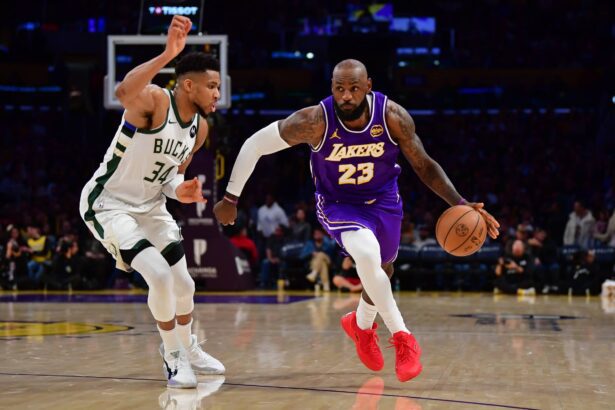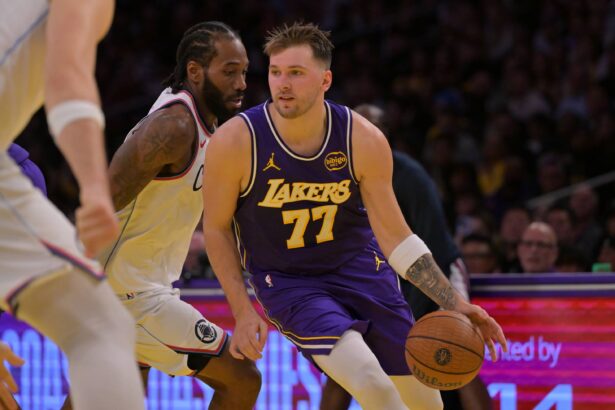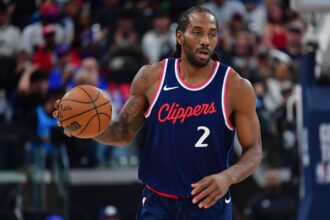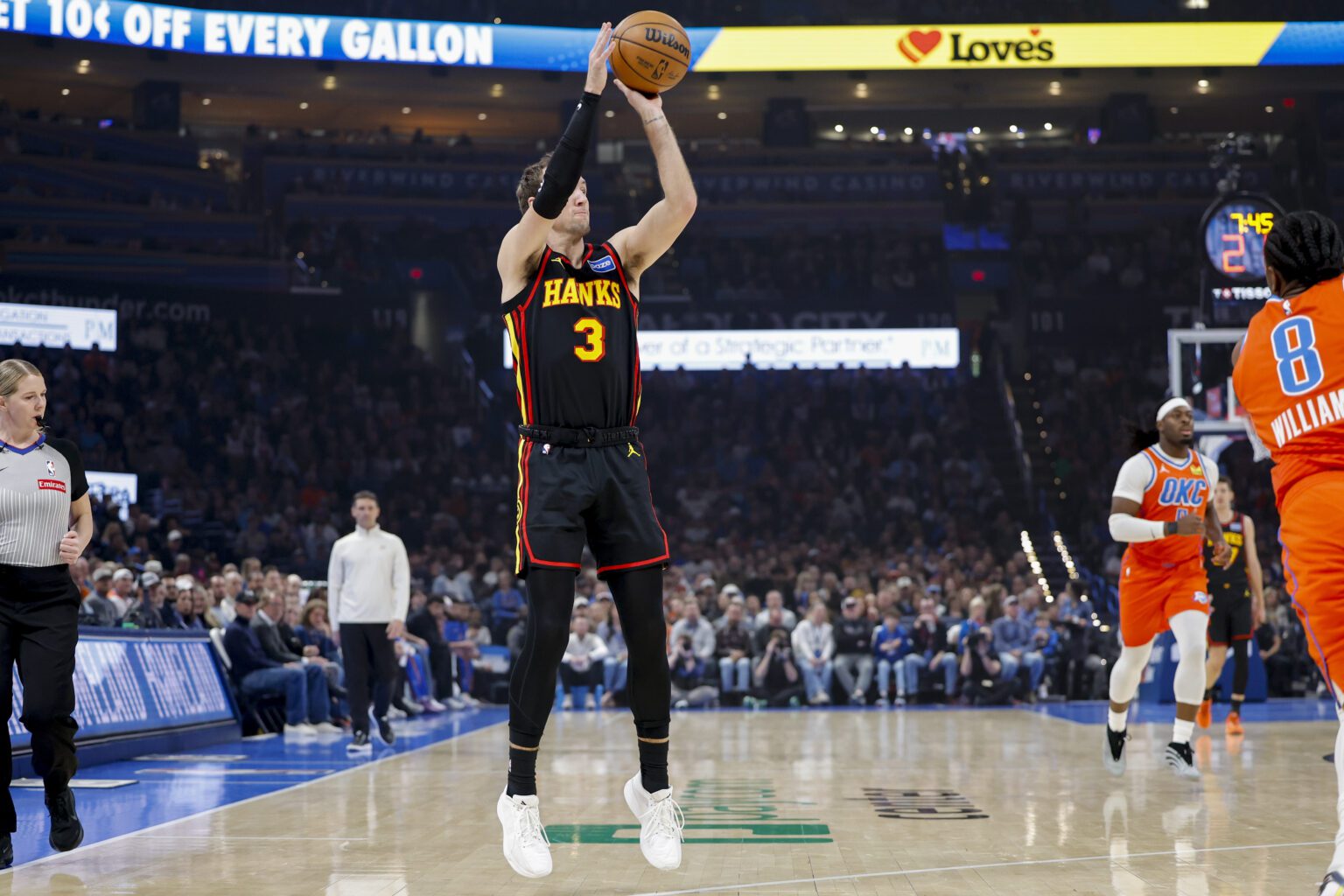
The Lakers didn’t need another ball handler. What they needed was shooting, very badly. With a star trio of Luka Doncic, LeBron James, and Austin Reaves orchestrating the offense, Los Angeles has plenty of playmaking, but not enough players that defenses fear spotting up.
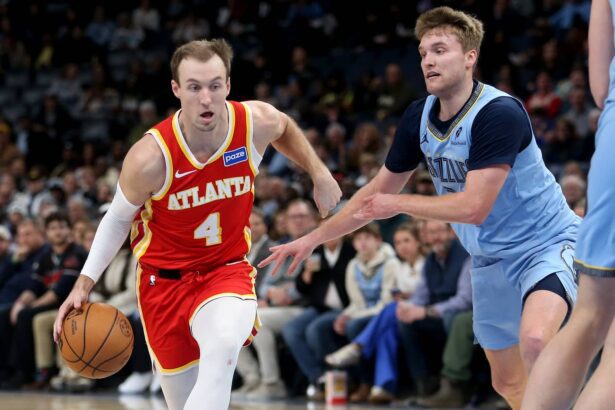
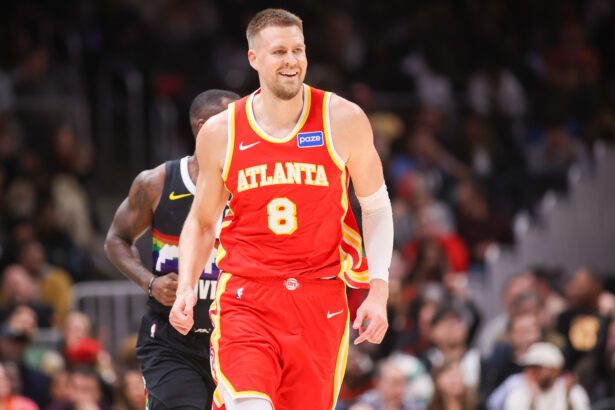
Gabe Vincent was supposed to help in that department, but his inconsistent play and 36.9% three-point shooting this season (34.1% career with the Lakers) left the front office searching for a cleaner fit. Enter Luke Kennard, who was acquired as part of a package involving Vincent and the 2032 second-round pick.
Full Trade Details
Los Angeles Lakers Receive: Luke Kennard
Atlanta Hawks Receive: Gabe Vincent, 2032 second-round pick
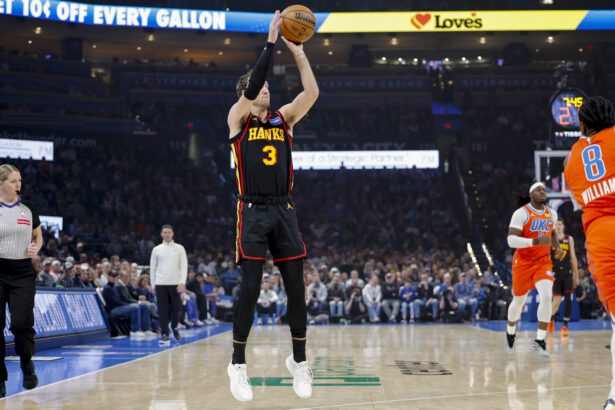
One of the league’s most accurate high-volume shooters, who is nailing an incredible 49.7% from deep this season, Kennard gives the Lakers a true floor spacer who thrives off movement and quick decisions.
Meanwhile, the Atlanta Hawks pivot toward flexibility after reshaping their roster with other major moves, including acquiring Jonathan Kuminga, and a second-round pick, which gives them at least some future value for a player who didn’t align with their timeline.
So who really won this deal? Let’s break it down.
Los Angeles Lakers: B
This isn’t a championship move, but it’s a solid one. Kennard’s shooting, a blistering 49.7% from three this season, is a massive upgrade over what Vincent was providing. Defenses can’t cheat off him, and that alone changes spacing for Doncic and James in pick-and-roll situations.
Even if he’s only taking four or five threes a night, the threat of his shot bends coverage. The Lakers’ offense is built on drive-and-kick reads, and Kennard fits that ecosystem perfectly. As long as the Lakers have someone reliable who can make jumpers, their offense will be in better shape.
Expect to see his defender glued to him in the corners, opening up more room in the paint for Reaves and James to operate. It’s not an A because Kennard doesn’t solve defensive concerns or elevate them into instant-title territory, especially since he is on an expiring deal. Losing a second-round pick for an expiring deal isn’t the worst situation, but the Lakers don’t have the heaviest draft pick stash.
But for a team that clearly needed more spacing and fewer redundant ball handlers, this is a clean improvement that makes their stars more dangerous. A B is fair here.
Atlanta Hawks: B
The Hawks are in the middle of rebuilding around Jalen Johnson and the newly acquired Jonathan Kuminga, so they didn’t need an expiring contract. Swapping one expiring deal for another and getting a second-round pick in return isn’t the worst deal by any means. The Hawks knew the Lakers would be better off with Kennard and got something in return.
Getting a future second-round pick isn’t flashy, but it’s not nothing either. Those picks can be used to take swings on prospects, grease the wheels in future trades, or stash international players. For a player who wasn’t central to their long-term vision, turning him into any asset at all is reasonable business.
Still, you can argue they might have squeezed a bit more out of the market. Elite shooters always have value at the deadline, and contenders tend to overpay for spacing. Still, not a bad deal for them.
Luke Kennard: B+
This is a great situation for Kennard. He goes from a team in transition to one firmly in the playoff picture, where his skill set becomes more valuable with every possession. Playing next to Doncic and LeBron means a steady diet of open, rhythm threes – the exact shots he converts at an elite rate.
There’s also clarity in his role. He’s not being asked to create offense or carry bench units; he just needs to space the floor, make quick reads, and punish defensive mistakes. The only reason this isn’t higher is playing time volatility.
The Lakers’ rotation can shift depending on matchups, and defensive limitations could keep him off the floor late in certain games. But overall, this is about as good a basketball fit as he could have hoped for.
Gabe Vincent: C
It’s been a tough stretch for Vincent since leaving Miami. Injuries and inconsistency have kept him from finding the same rhythm that made him a valuable playoff contributor with the Heat. At nearly 30, he’s no longer a developmental project, which makes extended struggles more concerning.
A change of scenery can help, but his role is less certain now. He’ll need to prove he can still defend at a high level and knock down open shots consistently, because that’s what earned him his reputation in the first place. Without reliable shooting, it’s hard for him to carve out steady minutes on a team prioritizing youth and flexibility.
With his contract expiring, this season becomes a tough one for him. If he can rediscover his two-way impact, there’s still a place for him in the league and more than a minimum deal going forward.