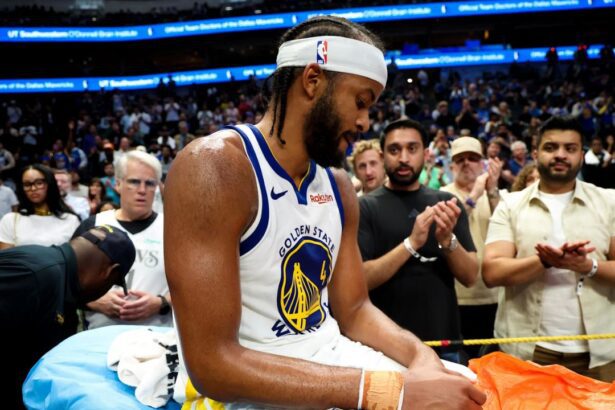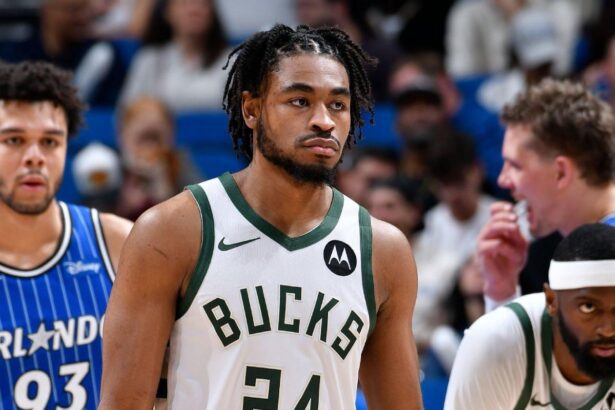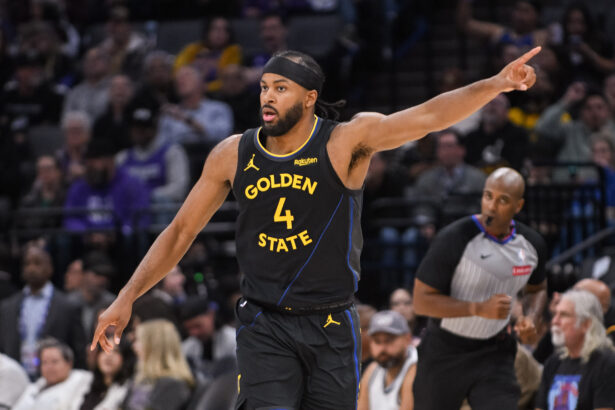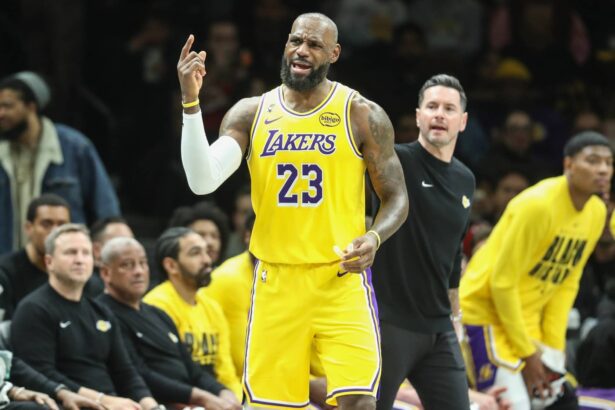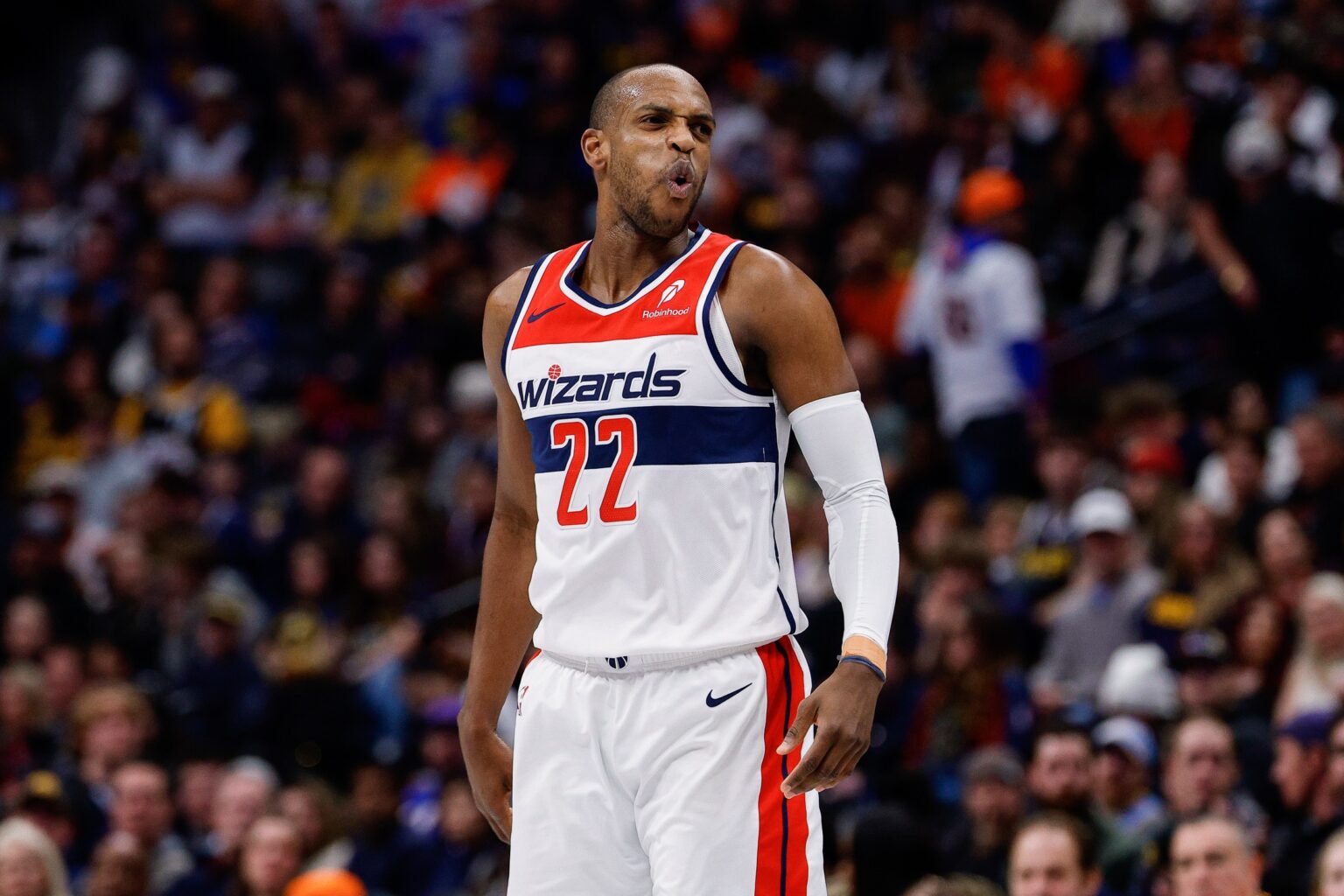
Khris Middleton being a buyout name sounds insane if you’re stuck in 2021, but the smoke is real right now.
The reporting from The Athletic’s Josh Robbins basically paints the cleanest path: Middleton likely stays with the Wizards through the February 5 trade deadline, then becomes a legit buyout candidate afterward.
And the money part matters. Middleton is on a $33.3 million expiring deal, which makes a deadline trade annoying for a lot of teams, but a buyout turns him into the classic “ring-chasing wing” lottery ticket.
On the court, this hasn’t been vintage Khris. He’s at 9.8 points, 4.0 rebounds, 3.3 assists, and 42.9% from the field this season, and he’s been at 32% from three.
So yeah, you’re not signing him to be your second option. You’re signing him because playoff basketball still needs shot-making, size, and dudes who don’t panic.
Let’s rank the best fits if he actually hits the market.
1. Denver Nuggets
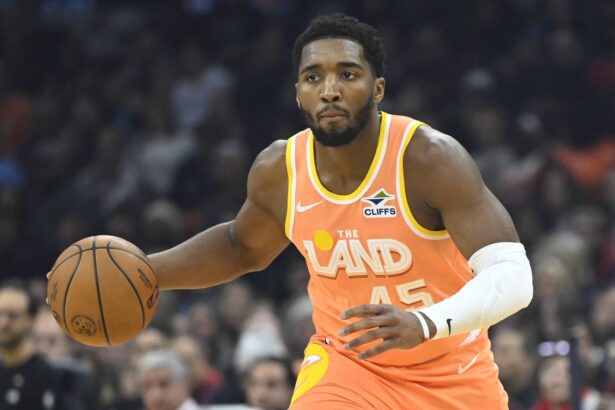
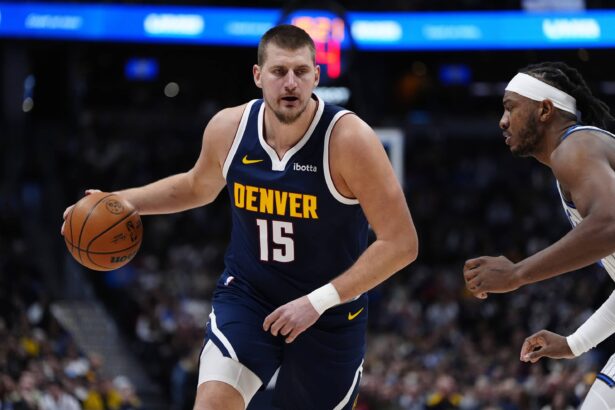
If Middleton hits the market, the Nuggets should be the first team sprinting to the phone. Not texting. Not “monitoring.” Sprinting. With Nikola Jokic on the brink of a return, and Jamal Murray plus Payton Watson on a hot stretch, Middleton could thrive in a lesser role.
The Nuggets are a legit machine again, 29-15, scoring 121.4 points per game on 49.9% from the field and a nasty 39.8% from three, while moving the ball like it’s on rails at 28.3 assists per game.
The one thing you can still poke at is the wing rotation when the postseason slows down and every possession turns into a chess match. They’re allowing 116.9 opponent points per game, which is “fine,” but it leaves room for a battle-tested two-way wing who can survive tough matchups without hijacking the offense.
Middleton fits because he doesn’t need touches to matter. That’s the entire pitch. He can space, make the extra pass, and punish smaller defenders without turning the game into “my turn, your turn.”
This season, he’s still a credible shooter at 32.5% from deep, even in a reduced role. On this roster, those numbers could go down, and his impact could go up, because the shot quality would be cleaner and the decision-making load would be lighter.
The real selling point is playoff insurance. You’re not asking Middleton to be the second guy. You’re asking him to be the “third wing who closes games when matchups get weird.” When teams load up on the two-man actions and force the ball to the corners, Middleton becomes the guy who catches, reads, and makes the correct play instead of panicking.
Why they hesitate: age and health. If the knees look shaky, the Nuggets might prefer a younger legs-only defender, but as a buyout swing, this is the cleanest basketball fit on the list.
2. Los Angeles Lakers
This one’s spicy because it’s so obvious it almost feels unfair. For a team that is desperately searching for a 3-and-D trade, Khris Middleton would make too much sense as a cheaper option.
The Lakers are 26-16, and they’ve played like a team that can win big games and also randomly play with their food. They’re scoring 116.3 points per game, shooting 49.6% from the field, and they’re not exactly elite defensively with 116.4 opponent points per game.
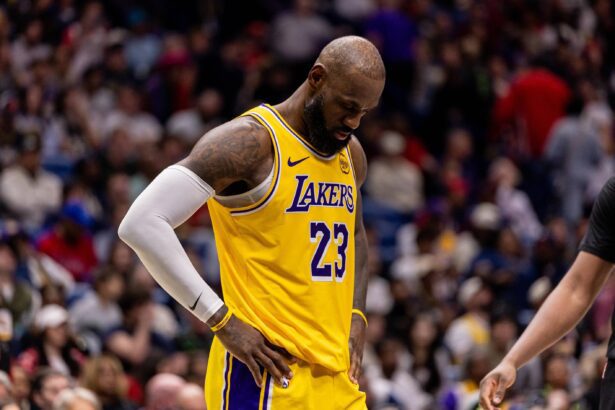
That’s the window. They need another steady wing who can guard a little, shoot a little, and most importantly, think and execute without Luka Doncic and LeBron James carrying the load alone.
Middleton’s appeal here is brain basketball. The Lakers already have high-level creation, and we literally just saw the “ceiling version” of what they look like when the stars are cooking, with a Luka Doncic triple-double to take down the Nuggets. But over a playoff series, you need more than stars. You need connectors, the guys who make the second-side pass, who hit the corner, who can dribble twice and not turn it into chaos.
That’s still Middleton, even in a quieter season: 9.8 points, 3.3 assists, 42.9% shooting. In a smaller role, he’s basically a stabilizer, and that’s exactly what the Lakers need when the game gets tight and the offense starts devolving into late-clock bailouts.
From a team-profile standpoint, the Lakers’ numbers scream “add a wing who can help you win the margins.” They’re at 24.9 assists per game, but 15.1 turnovers per game, and their 34.8% from three is begging for another credible spacer who won’t disappear when it matters. Middleton doesn’t have to be a flamethrower; he just has to be respected. That changes the geometry.
Why they hesitate: role clarity. If Middleton wants 28-30 minutes every night, it gets messy. If he accepts the “closing option depending on matchup” pitch, it’s a home run.
3. New York Knicks
The Knicks are good, but they’ve also been living on the edge lately. They’re 25-18, scoring 117.9 per game, and they actually defend, 114.8 opponent points per game. That’s a real profile. It’s not smoke and mirrors.
So why Middleton? Because playoff basketball is still about wings who can create a decent shot when the first option gets walled off. Even the best offenses hit those moments where the ball sticks and everyone looks around like, “okay, now what?”
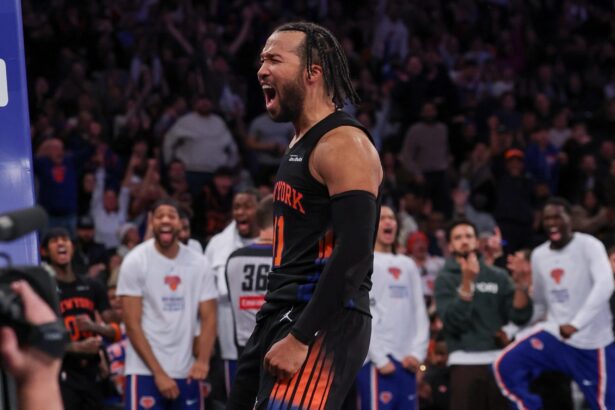
The Knicks have great 3-and-D wings in Mikal Bridges and OG Anunoby, but in a playoff series, they’ll need more shot creation when Jalen Brunson and Karl-Anthony Towns become cornered.
Middleton isn’t a star anymore, but he’s still a wing who understands where the pressure points are. And the Knicks’ offense is built to amplify that kind of player. They’re launching threes at volume, hitting 37.5% from deep, and moving it well enough at 26.6 assists per game. Plug Middleton into that ecosystem and his job becomes simpler: hit open shots, punish switches, make the right read.
The sneaky part is lineup flexibility. The Knicks can lean bigger, lean smaller, go offense-first, go defense-first. Middleton gives them another “adult” to throw into the second unit so they don’t bleed points when starters sit. And yes, even with his modest box score this year, he’s still a functional secondary playmaker at the wing, which matters in the postseason when teams trap ball-handlers and force decision-making from everyone else.
Why they hesitate: the Knicks want to play with force, and if Middleton can’t keep up defensively possession after possession, they might prioritize a pure stopper instead. But if they want playoff shot-making and composure, Middleton is exactly that.
4. Miami Heat
The Heat are the funniest team in the league because every season looks like a mess… until it suddenly doesn’t.
They’re 23-21, scoring 119.5 per game, and they play a high-event style with 28.6 assists per game and 37.0% from three. The downside is the defense hasn’t been that classic Heat wall, they’re allowing 118.2 opponent points per game. That’s where Middleton has value, not as a savior, but as a stabilizer who can soak up minutes and keep the shape of the game intact.
This is also a culture fit, and yeah, that matters. Middleton is quiet, professional, and unbothered. He won’t show up trying to take over someone else’s team. He’ll just fill gaps. And the Heat live off gap-filling, it’s basically their whole personality.
On the floor, the reason this works is simple: the Heat need wings who can do a little of everything without needing the ball to feel involved. Middleton’s season line fits that exact description.
And if you’re worried about the jumper, the three-point rate is down at 32.5% this season, but his shot diet would get way cleaner on a playoff team that can actually generate advantages.
From the team-stat angle, the Heat are basically screaming, “we can score, we need more two-way reliability.” They shoot 46.5% from the field and rebound well at 45.7 per game, but they give up too many points night-to-night.
Middleton doesn’t turn them into a top defense by himself, but he can help them survive the specific playoff minutes that decide series, the ones where you just cannot make mistakes.
Why they hesitate: they usually want guys with either elite defense or elite shooting. Middleton is more “good at everything,” and sometimes the Heat want a specialist. Still, as a buyout swing, this is a very Heat-like play.
5. Dallas Mavericks
This one is less “ring-chasing obvious” and more “basketball logic and opportunity.”
The Mavericks are 18-26, scoring 114.2 per game on 47.3% shooting, with 34.4% from three. They’re also giving up 116.5 opponent points per game, so the defense isn’t saving them either.
But here’s the hook: the Mavericks have a real young core moment happening, with Cooper Flagg putting up 18.8 points, 6.3 rebounds, 4.1 assists as a rookie. A team like that needs vets who know how to be pros, and Middleton is basically a walking “how to survive an NBA season” tutorial.
With Anthony Davis potentially sidelined for the next few months, Middleton would actually be a great fit to start in the frontcourt next to Flagg and become a mentor. With his basketball IQ, work ethic, and all-around game, the Mavericks would make a great choice signing him, even if they are not looking to contend.
If Middleton is choosing a buyout destination, he’s probably prioritizing either a ring or a clear role. The Mavericks can actually offer the role part. They need wing minutes, they need decision-making, and they need someone who can keep the offense organized when things get sloppy. Middleton’s 3.3 assists in 24.3 minutes on the season are a hint of that value; he still sees the floor.
Also, the Mavericks’ profile suggests they’re not miles away offensively. They can score in bursts, they can shoot when they’re hot, and they’ve had games where the offense looks terrifying. What they don’t have consistently is calm. Middleton brings calm. He makes the normal pass. He takes the normal shot. He doesn’t drift into hero mode.
Why they hesitate: timeline. If the Mavericks decide this season is fully about development, they might prefer minutes for younger wings instead of a veteran rental. But if they want to accelerate good habits and stabilize the rotation, Middleton is one of the cleanest “cheap veteran wing” answers imaginable.
Final Thoughts
If Middleton actually gets bought out, I’m calling it now: the Nuggets are the best fit, and it’s not close. Their offense is already elite, and Middleton slides in as the exact kind of low-ego wing that playoff teams always end up needing.
The Lakers are right behind them because they’ve got the star power, but they still need more grown-up possessions in the half-court, and Middleton is literally built for that.
Now we wait on the Wizards to decide if they want the roster spot, the money saved, and the optics of “doing right” by a veteran. If they do, the buyout market just got a lot more fun.