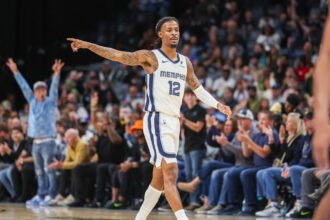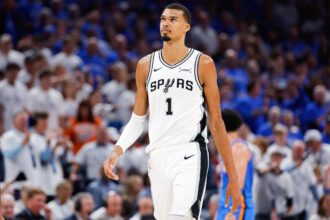
The NBA right now belongs to a new generation. The Oklahoma City Thunder lead most power rankings at 47-15 and hold the shortest odds to repeat as champions. The Detroit Pistons sit at 45-14 atop the East, with Cade Cunningham emerging as a serious MVP candidate. The San Antonio Spurs, at 43-17, feature Victor Wembanyama in full ascent and rank consistently in the top three nationally. Other teams in pursuit remain strong but trail the youth-driven frontrunners in both records and futures pricing.
This shift has pushed several recent contenders to the margins. Rosters built around peak performers from the early 2020s now face age, injury attrition, or mismatched supporting pieces against faster, deeper teams.
These squads are not in full rebuilds, but their realistic paths to a title have narrowed sharply for 2025-26. The margin is slim, the competition unforgiving, and meaningful returns may require significant offseason adjustments.
Here are five teams whose championship windows have closed, at least temporarily.
1. Milwaukee Bucks
The Milwaukee Bucks hold a 26-34 record in early March, sitting 11th in the Eastern Conference and 19.5 games behind the Detroit Pistons for the top seed. They rank third in the Central Division but trail significantly in the standings, with a net rating of -4.2 (111.3 points scored per game against 115.6 allowed).
The primary reasons for the Bucks’ temporary closure of their championship window stem from roster upheaval and persistent health issues. In the 2025 offseason, the front office waived Damian Lillard following his torn Achilles in the prior playoffs; he has missed the entire 2025-26 season recovering and returned to the Portland Trail Blazers. Brook Lopez left in free agency, removing a key rim protector and floor-spacer who had anchored the defense for years. Pat Connaughton was traded, further thinning depth.
To address these losses, the Bucks acquired Myles Turner for interior defense and three-point shooting, while adding wings and guards such as Kyle Kuzma, Gary Trent Jr., Kevin Porter Jr., and Gary Harris. The strategy aimed to provide better spacing and versatility around Giannis Antetokounmpo, but integration has proven difficult.
The offense lacks the crisp playmaking once supplied by Lillard, even with Ryan Rollins emerging as a big piece and Most Improved Player candidate, forcing heavier reliance on Antetokounmpo’s isolation creation amid inconsistent perimeter threats.
Injuries have exacerbated the problems. Giannis Antetokounmpo, averaging 27.7 points, 10.1 rebounds, and 5.5 assists per game on 63.6% field goal shooting, 37.5% from three, and 65.8% from the free-throw line through 31 appearances, suffered a right calf strain in late January against the Denver Nuggets.
The injury sidelined him for about five weeks and at least 15 games, with recent limitations evident in his return: he scored 19 points on 7-of-18 shooting in a 108-81 loss to the Boston Celtics last night, appearing restricted in mobility.
Defensively, the Bucks struggle against perimeter-oriented and transition-heavy teams in the rising Eastern Conference, such as the Pistons and Cavaliers. Their record against top Eastern foes remains subpar at 4-9, with recent blowout losses highlighting vulnerabilities in containing speed and spacing. Offensively, efficiency has dipped without reliable secondary creation, and the supporting cast has not yet formed the cohesion needed to elevate the unit.
This situation could signal a full rebuild if Giannis departs in the offseason. But Antetokounmpo, at age 31, retains elite two-way impact, as he can still deliver 30-point triple-doubles when fully healthy, and the organization holds future flexibility down the road if he stays.
However, the current mix, combined with injury troubles and mismatches against younger, deeper contenders, has reduced their realistic title path to almost nonexistent in the short term. A meaningful playoff run would demand flawless health, sudden chemistry breakthroughs, and defensive improvements that have not appeared.
The Bucks face a critical offseason to reassess pieces around Antetokounmpo before his prime narrows further, but for now, the championship window stands firmly closed temporarily.
2. Phoenix Suns
The Phoenix Suns hold a 34-26 record entering March, placing them seventh in the Western Conference standings. They sit 12 games behind the top seed in the West and trail the play-in threshold by a narrow margin, with a net rating of +0.8 (112.1 points scored per game against 111.4 allowed).
The Suns’ championship window has closed temporarily due to a deliberate roster reset in the 2025 offseason that prioritized youth, athleticism, and defense over immediate title contention. The headline move was a blockbuster seven-team trade that sent Kevin Durant to the Houston Rockets in exchange for Jalen Green, Dillon Brooks, the No. 10 pick in the 2025 draft (Khaman Maluach), and multiple second-round selections.
Bradley Beal was bought out and joined the Los Angeles Clippers, ending the Big Three experiment that never advanced past the second round. These departures stripped away elite scoring and experience but aimed to address age, injury history, and defensive shortcomings that plagued prior seasons.
The new core, led by Devin Booker, has shown flashes of potential but lacks the depth and cohesion to challenge the West’s rising powers like the Oklahoma City Thunder, San Antonio Spurs, and Minnesota Timberwolves.
Booker remains the anchor at 24.7 points and 6.1 assists, delivering consistent scoring and playmaking, but the supporting cast, featuring Green’s athletic upside and Brooks’ defensive intensity, has struggled with consistency. Injuries have disrupted progress: Dillon Brooks suffered a fractured left hand in late February, sidelining him for four to six weeks, while Devin Booker dealt with a right hip strain that caused him to miss at least a week recently. These absences highlight the thin margin for error in a roster still integrating new pieces under first-year head coach Jordan Ott.
Defensively, the Suns have improved marginally with Brooks’ presence and added size, but perimeter vulnerabilities persist against quicker, more explosive teams. Offensively, the unit relies heavily on isolation creation from Booker and occasional bursts from Green, without the secondary facilitation or spacing that defined past contender runs. The record against top-three Western opponents remains uneven at 3-7, with recent stretches showing losses in key matchups against the Thunder, Spurs, Celtics, and Warriors, exposing gaps in execution and toughness.
Looking beyond this season, the immediate future offers limited upside for a title push. The West remains stacked with young, ascending rosters that project to dominate for years, while the Suns focus on development rather than win-now acquisitions. Booker’s prime continues at age 29, but the supporting infrastructure requires multiple offseasons to mature, potentially through draft picks, internal growth from rookies like Maluach, and targeted free-agent additions. Without major health luck or a breakout from young talent, realistic contention feels two to three years away at minimum.
This is not a surrender to mediocrity. The Suns have avoided a full tank, surpassing preseason win projections already, and retain Booker’s elite talent as a foundation. Yet the current build post-Durant/Beal, injury-prone in spots, and mismatched against the league’s elite, has narrowed their title path significantly for the near term.
A playoff berth remains possible, but a deep run would demand improbable surges in health, chemistry, and defense. For now, the championship window stands firmly closed on a temporary basis, as this new team transitions toward sustainable contention rather than chasing a fleeting shot at glory.
3. Philadelphia 76ers
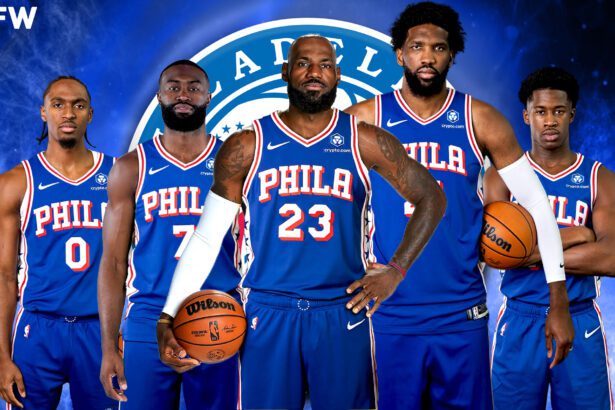
The record looks solid, but it is not a contender profile. The Philadelphia 76ers are 33-27 this season, sixth in the East and 12.5 games behind the Pistons. The 76ers have exceeded expectations this season, but their injury-prone core is not championship material right now.
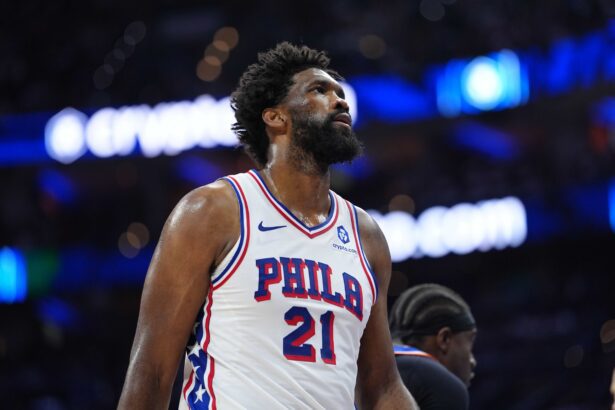
The window for the 76ers has closed temporarily because the roster cannot overcome persistent health limitations and a lack of depth upgrades. Joel Embiid has appeared in only 33 games this season. He averages 26.6 points, 7.5 rebounds, and 3.9 assists while shooting 49.5% from the field, 31.8% from three, and 85.8% from the free-throw line. A strained right oblique has sidelined him for at least the next three games. His limited availability has forced the team to lean heavily on one star for long stretches.
Tyrese Maxey has delivered at an elite level in 58 games, posting 29.1 points, 4.1 rebounds, and 6.8 assists on 46.2% field-goal shooting and 37.6% from three-point range. Paul George remains on the roster but has faced recent suspension and inconsistent availability. The supporting pieces added in the 2025 offseason, like re-signings of Quentin Grimes, Justin Edwards, Eric Gordon, and Kyle Lowry, provided continuity but no clear upgrade in spacing, defense, or secondary creation.
Defensively, the 76ers rank near the middle of the league (18th in points allowed) and struggle to contain transition play and perimeter shooting from faster Eastern Conference teams. Offense runs through Maxey’s scoring and occasional Embiid bursts when healthy, yet efficiency drops sharply without both stars on the floor. Results against the Pistons, Celtics, and Knicks have shown repeated gaps in execution and physicality.
The near-term outlook offers little immediate relief. Embiid turns 32 this month, and his injury history makes consistent 70-game seasons unlikely over the next two or three years. The conference features young, deep cores in Detroit, Boston, and New York that project to remain dominant. The 76ers hold modest draft flexibility and cap space, but meaningful contention would require sustained health, breakout development from younger wings, and targeted additions that have not materialized.
The team has avoided a full rebuild. A play-in or first-round playoff spot remains realistic. Yet the combination of Embiid’s health issues, modest offseason moves, and the rapid rise of younger Eastern powers has narrowed the realistic title path to near zero for 2025-26 and the seasons right after.
A deep playoff run would demand perfect health and sudden chemistry that has not appeared. For now, the championship window stands closed on a temporary basis as the 76ers search for the right mix to reopen it before Embiid’s prime ends.
4. Los Angeles Clippers
The Los Angeles Clippers sit at 29-31 as March 2026 begins, placing them ninth in the Western Conference. The record reflects a season of inconsistency and transition, with the team hovering around the play-in line but showing little of the sustained dominance once expected from this group.
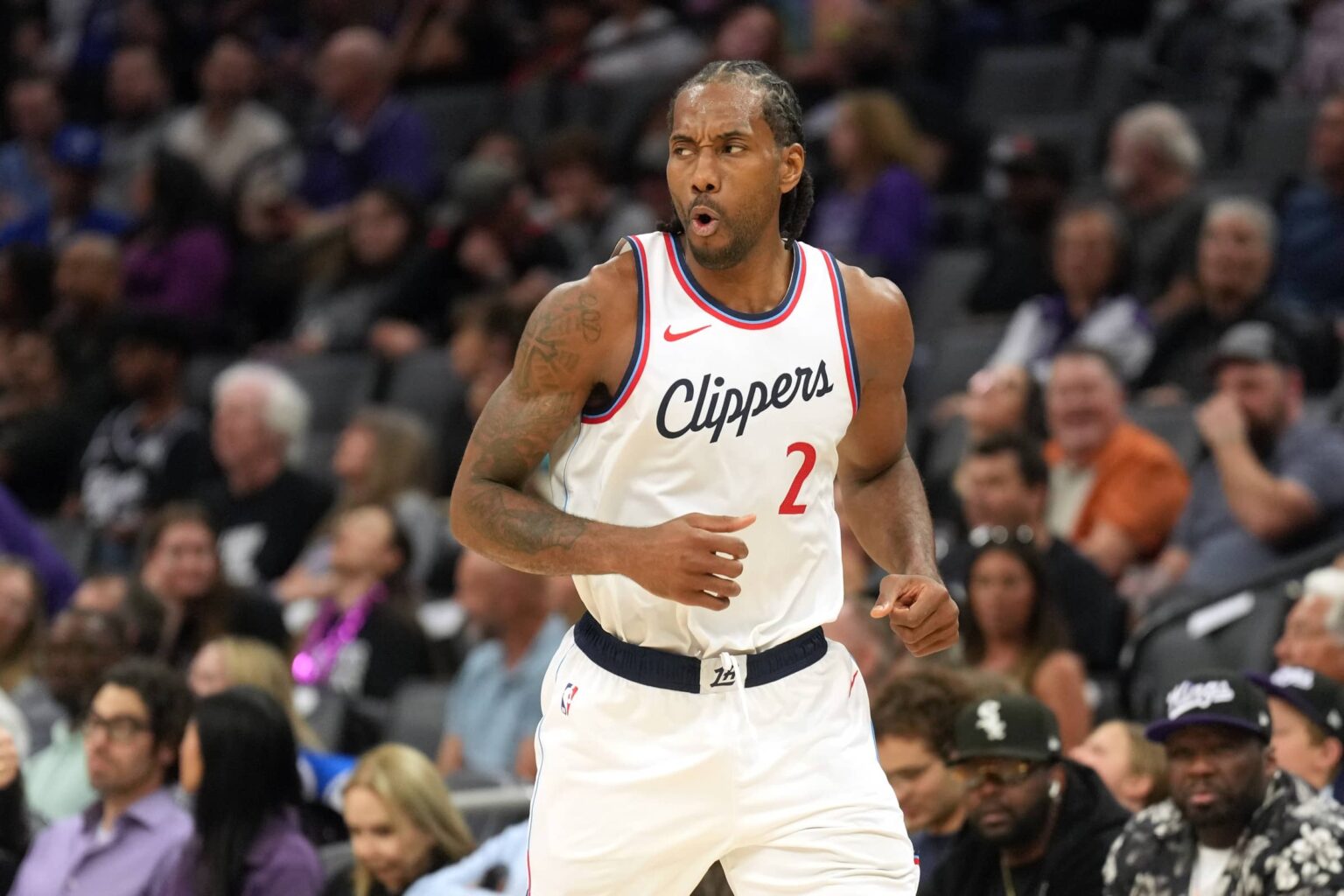
The Clippers are facing a combination of age-related decline, injury attrition, and a midseason pivot that signals a shift away from win-now contention. Kawhi Leonard remains the anchor, averaging 27.9 points, 6.3 rebounds, and 3.7 assists per game on 49.3% field-goal shooting, 37.6% from three, and 90.4% from the line through 45 appearances.
He has delivered strong individual performances, including 23-point outings in recent wins over the Pelicans and Warriors, but his minutes and availability remain managed carefully at age 34. James Harden, before his trade deadline departure, contributed significantly when paired with Leonard, but their sudden pivot shows an intent for instant retooling into younger pieces.
The front office made aggressive changes at the 2026 trade deadline, moving Harden and Ivica Zubac while acquiring pieces like Bennedict Mathurin, Darius Garland, and others to inject youth and upside. Earlier offseason additions included Brook Lopez for rim protection and spacing, John Collins for frontcourt depth, and Bradley Beal (who underperformed before a season-ending fractured hip in November).
These moves aimed to refresh the roster around Leonard, but integration has been uneven. The team has shown flashes, winning recent games against the Warriors, Nuggets, and Rockets, but consistency has eluded them against the West’s elite after a December surge that saw them climb out of the basement of the conference.
Injuries continue to limit the ceiling. Leonard has dealt with minor ankle issues and load management, missing time throughout the season. The supporting cast, including newer additions like recently debuted Darius Garland, has struggled to find rhythm amid the turnover.
Defensively, the unit ranks middle-of-the-pack but falters in transition and perimeter containment against faster opponents. Offense relies heavily on Leonard’s isolation scoring and occasional bursts from guards, yet spacing and secondary creation dip without reliable playmaking depth.
Looking forward, the near-term path back to contention looks narrow. The Western Conference features young, ascending teams projected to dominate for years, while the Clippers’ core ages out of its prime window. Leonard’s contract situation as he enters the final year next season adds uncertainty, with reports indicating the organization may evaluate major changes this summer, potentially including his future or a rebuild around emerging pieces.
The problem is the bridge. The Clippers do not have the draft and cap runway to jump back into the top tier quickly. They do not control their own first-round pick this year, and their future first-round situation is constrained through 2028, including an owed 2028 first-round pick to the 76ers and a 2027 swap obligation that can send value away. The Clippers have limited access to that for the next few drafts, and it compresses their margin for error.
This is why the window is “temporarily” closed rather than permanently shut. Garland is 26, Mathurin is 23, and the Clippers added picks. But for the next couple of seasons, the team is trying to develop a younger core while carrying a max-level Kawhi contract and operating with limited draft control.
The Clippers have not fully committed to a tank. Recent wins keep them in play-in conversation, and Leonard’s elite production provides a foundation. Yet the persistent health management, midseason retooling, roster mismatches against rising powers, and the rapid shift in league balance have reduced realistic title chances.
A surprise playoff push would require improbable health runs and chemistry cohesion that has not surfaced. For now, the championship window stands closed temporarily, as the Clippers navigate a transitional phase before deciding the next chapter.
5. Denver Nuggets
The Denver Nuggets have managed to stay competitive despite significant challenges in 2025-26. They enter March with a 38-24 record and sit fifth in the Western Conference. The mark keeps them in the playoff picture, but reflects a team fighting through constant disruption rather than dominating as in previous years.
The Nuggets have faced a pattern of playoff shortcomings, an underwhelming key acquisition, and unrelenting injury problems that have exposed the roster’s fragility. In the 2024 playoffs, the Nuggets suffered a surprising early exit against the Minnesota Timberwolves. Last season, the same opponent mounted a comeback to overcome a large deficit and eliminate them from contention. Those results pointed to issues with depth and closing out series that remain relevant.
This season, the injury list has been lengthy from opening night. Multiple key contributors have missed extended time, including Aaron Gordon and Christian Braun with hamstring and ankle issues. Peyton Watson is sidelined with a Grade 2 hamstring strain for at least four weeks. Cameron Johnson, the major offseason addition, missed 23 games with a right knee bone bruise and hyperextension before returning in early February. Even Nikola Jokic has dealt with absences during the entirety of January, limiting the team’s ability to build consistent chemistry.
Jokic has been outstanding when available. He averages 28.7 points, 12.6 rebounds, and 10.3 assists per game on 57.0% shooting from the field and 40.1% from three in 46 appearances. His triple-double production continues to anchor the Nuggets, but the supporting cast has struggled to complement him reliably.
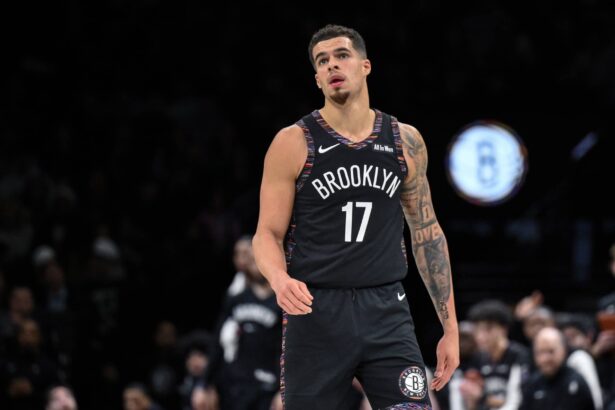
The trade for Cam Johnson in July 2025, which sent Michael Porter Jr. to the Brooklyn Nets along with a 2032 first-round pick, was intended to bring versatile wing play and spacing. Instead, Johnson has averaged only 11.8 points per game on modest efficiency while working his way back from injury. His impact has fallen short of expectations in a system that needs reliable secondary scoring and defense.
Defensive execution and transition play have suffered during injury stretches against the West’s faster, younger teams. Offense depends almost exclusively on Jokic’s creation when the roster is depleted.
The near-term outlook remains uncertain. The Western Conference features dominant young cores in Oklahoma City and San Antonio that figure to control the top seeds for years. Jokic, at age 30, remains the league’s best all-around player, but consistent 70-game seasons from the full group appear unlikely given the injury history. Returning to true title contention would require better health luck, development from younger pieces, and further roster adjustments this summer.
The Nuggets have not abandoned contention. The current record shows resilience. Yet the repeated playoff disappointments, the limited return from the Cam Johnson move, the season-long injury attrition, and the rising competition across the conference have narrowed the realistic championship path for 2025-26 and the immediate seasons ahead.
A deep playoff run this spring would require an improbable stretch of full health and elevated play from the entire roster that has not been evident. For now, the window is stretching thinner with each loss, and while the Nuggets still figure as a true West contender, the picture is dimmer every year.