The 2026 NBA Draft class looks loaded in a way few classes do. This is not only about one future No. 1 pick. It is about the amount of real top-end talent at the top of the board.
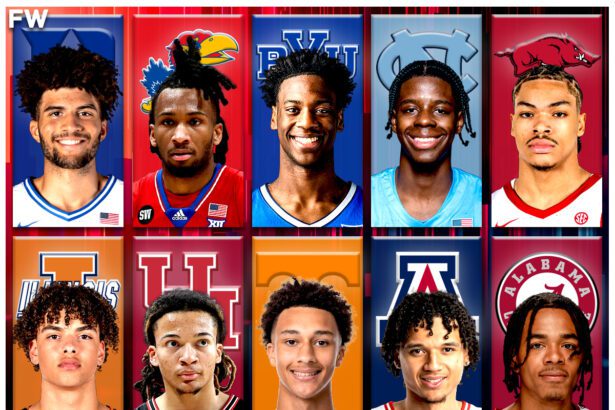
Our latest rankings and major public boards still have names like AJ Dybantsa, Darryn Peterson, Cameron Boozer, and Caleb Wilson near the top, with the likes of Darius Acuff, Nate Ament, Keaton Wagler, and more giving the class serious depth behind them. That is why this group keeps getting treated like a special one, not a normal draft cycle.
Calling any class the best since 2003 is a huge statement, because the 2003 group is still widely viewed as one of the greatest draft classes in league history. But this 2026 class has the kind of star power, depth, and variety that makes the comparison feel fair.
It has elite guards, big scoring wings, modern forwards, and real upside all over the first round. On paper, it looks like the deepest and most talented class the NBA has seen in a long time.
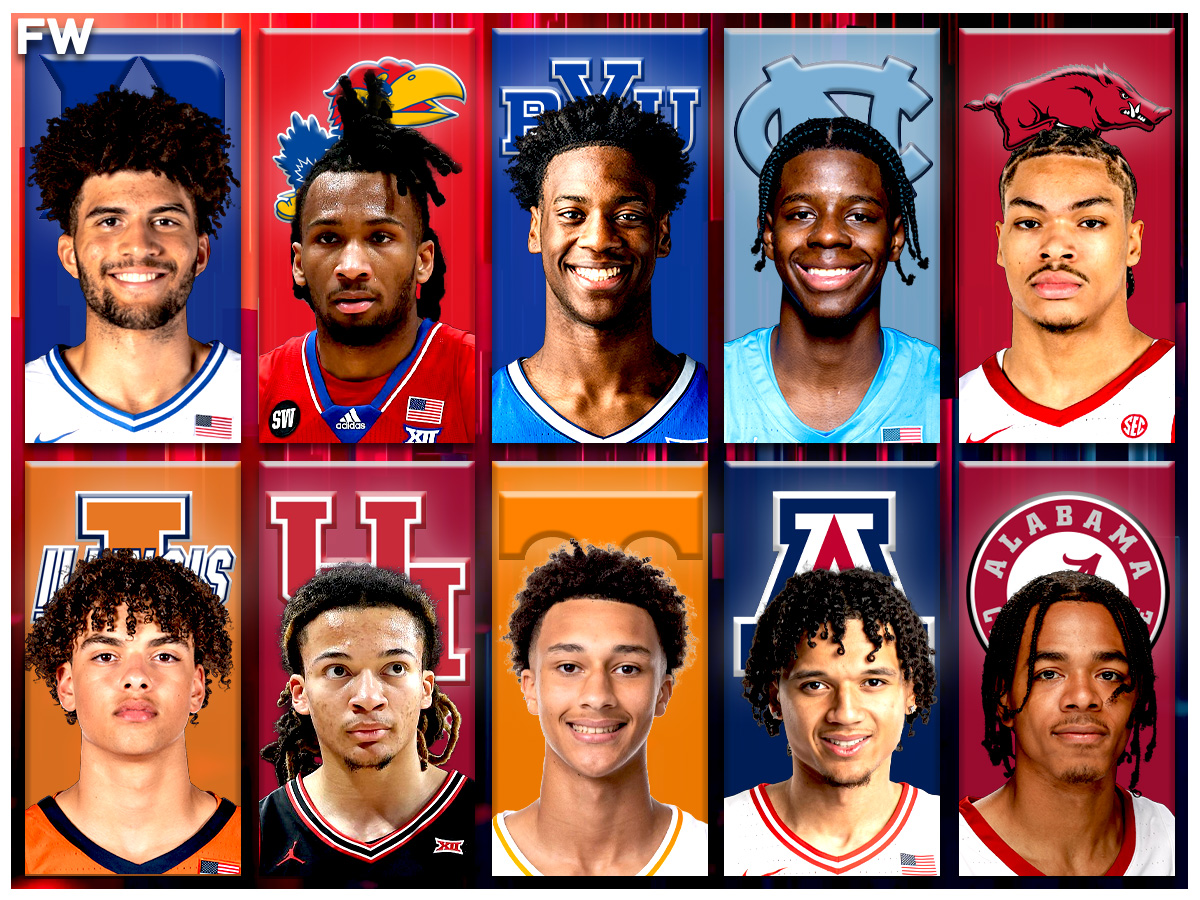
2026 Potential Top 10 Selections
Cameron Boozer
Darryn Peterson
AJ Dybantsa
Caleb Wilson
Darius Acuff Jr.
Keaton Wagler
Kingston Flemings
Nate Ament
Brayden Burries
Labaron Philon Jr.
The 2026 class looks loaded because it has both star power and depth. At the top, Darryn Peterson, AJ Dybantsa, and Cameron Boozer still look like the main names. ESPN’s latest big board had Peterson at No. 1, Dybantsa at No. 2, and Boozer at No. 3, which tells you the race for the top of the draft is still centered around those three. Caleb Wilson was No. 4 on that same board even before his injury, so there is still a very real top-four tier in this class.
What makes this class different is what comes after that. Potentially, names like Kingston Flemings at No. 5, Keaton Wagler at No. 6, Darius Acuff at No. 7, and Nate Ament, rounding out the top 8, give this group a lot more strength than a normal draft.
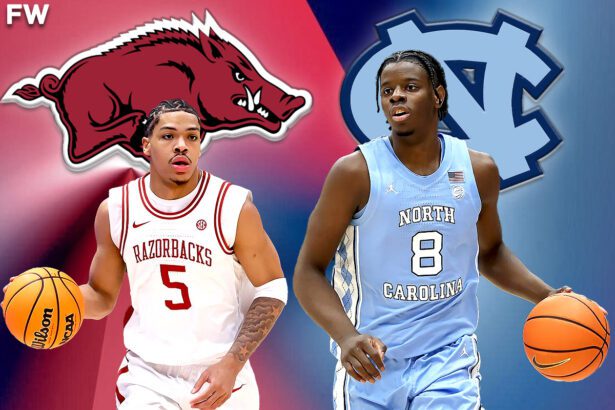
Flemings has made a strong top-five case as a lead guard at Houston. Wagler has gone from a former three-star recruit to one of the hottest names in NBA circles. Ament still looks like a strong lottery bet because of his 6-foot-10 size and wing skill. Acuff has gone from No. 15 to No. 7 on ESPN’s board and put himself firmly in the lottery discussion with his scoring and playmaking at Arkansas.
The fight for No. 1 is the main story, and right now Peterson and Dybantsa still feel like the cleanest answers. Peterson remains No. 1 on ESPN’s board, while a stock-watch piece from this week still called both him and Dybantsa No. 1 pick candidates. Boozer is right behind them, and he has kept that spot all season, but Peterson and Dybantsa still look like the two names most likely to hear first on draft night.
Then there is the next wave. Burries and Philon are not top-10 locks today, as ESPN has Mikel Brown Jr. over Philon, but they belong in a “potential top 10” group because both have real first-round momentum.
Burries has climbed from No. 41 to No. 10 on ESPN’s board, while Philon remains in the first-round mix at No. 18 thanks to his scoring and shot creation. That is why this class feels so strong. It is not only about the three or four stars at the top. It has real lottery talent, strong guard depth, and enough risers behind the headliners to make the top 10 feel very open going into the draft process.
A Throwback To The 2003 Draft Class
LeBron James
Dwyane Wade
Carmelo Anthony
Chris Bosh
David West
Kyle Korver
Boris Diaw
Leandro Barbosa
Josh Howard
Mo Williams
The 2003 draft class still stands as the gold standard because it had everything. It had an all-time No. 1 pick in LeBron James. It had three more franchise stars right behind him in Dwyane Wade, Carmelo Anthony, and Chris Bosh. And it had enough depth later in the draft to give the class real staying power, not just top-heavy star power.
LeBron became arguably the greatest player in NBA history. Wade became the face of the Heat and one of the best shooting guards ever. Anthony turned into one of the most gifted scorers of his era. Bosh gave the Raptors a star and later became a central piece of the Heat’s championship core. Just those four names alone would make 2003 special. Very few classes can match that kind of high-end talent.
But the class was bigger than the top four. David West was one of the most reliable power forwards of his generation and made two All-Star teams. Kyle Korver became one of the greatest shooters the league has ever seen and stayed valuable for almost two decades.
Boris Diaw carved out a unique career as a versatile forward who could pass, defend, and connect teams with the Spurs 2014 championship. Leandro Barbosa brought elite speed, scoring punch, and won Sixth Man of the Year, plus a title with the Warriors.
Josh Howard was an All-Star and a major piece for strong Mavericks teams. Mo Williams became an All-Star guard and later played a role on LeBron’s title team with the Cavaliers.
That is what made the class different. It produced superstars, Hall of Fame-level careers, All-Stars, elite role players, and long-term winning pieces. It gave teams lead scorers, creators, defenders, shooters, and veterans who stayed useful for years.
The legacy of that group is simple. It shaped the league for more than a decade. LeBron defined an era. Wade, Anthony, and Bosh were central figures in the NBA’s biggest stories. Even the second tier of the class stayed relevant for a long time. That is why every strong draft gets compared to 2003. It was not only great at the top. It stayed great all the way through.
The 2018 Class: A Chance Of Being The Greatest
Deandre Ayton
Luka Doncic
Jaren Jackson Jr.
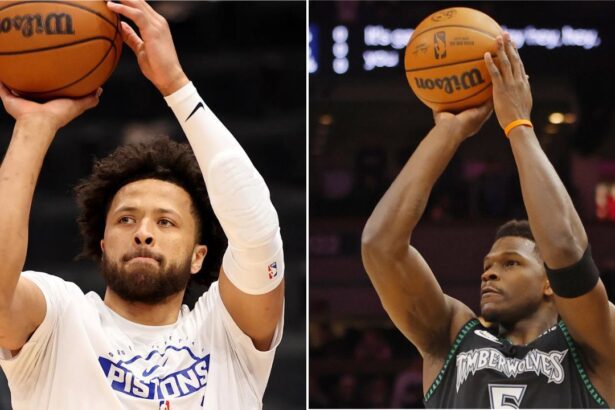
Trae Young
Mikal Bridges
Shai Gilgeous-Alexander
Michael Porter Jr.
Jalen Brunson
The case for 2018 starts at the top. Luka Doncic already has six All-Star selections, five All-NBA teams, and a Rookie of the Year award. Shai Gilgeous-Alexander has four All-Star selections, three All-NBA teams, an MVP (on his way to a second, too), a Finals MVP, and a championship on his résumé. That is why this class has a real chance. It already has two players who look like perennial MVPs and future Hall of Famers, not just stars for a few years.
Then there is the next group. Jalen Brunson has become much more than a good starter. He already has three All-Star selections, two All-NBA teams, and a Clutch Player of the Year award.
Trae Young has four All-Star selections and an All-NBA nod, which keeps him in that possible Hall of Fame conversation, if the second half of his career stays strong. Jaren Jackson Jr. has built a different kind of case. He is a two-time All-Star, a three-time All-Defensive selection, and a Defensive Player of the Year winner. That gives this class another top-level player, even if his path is built more on defense than pure star scoring.
And that is why 2018 feels so dangerous in this debate. Even after the headline names, the class still has real depth. Mikal Bridges became a high-level two-way wing and long-term starter.
Michael Porter Jr. turned into a big scoring forward and one of the best shooting forwards from the class. Deandre Ayton has given teams size, rebounding, and steady production for years, with career averages of 16.7 points and 10.5 rebounds in his NBA career.
When a class gives you two likely Hall of Famers, other possible Hall of Fame cases, an elite defender like Jackson, and strong starters like Bridges, Porter, and Ayton, the “greatest class” talk is not crazy at all.
How The 2026 Class Could Look In A Decade
A decade from now, this class could look like the kind of draft that changes the league in layers, not only at the top. Right now, Darryn Peterson and AJ Dybantsa are still viewed by many evaluators as the top two prospects, while Cameron Boozer and Caleb Wilson have spent the year in that same elite group.
Boozer also has the strongest college season of the bunch so far, averaging 22.4 points, 10.3 rebounds, and 4.2 assists for Duke, while Dybantsa has put up 25.5 points per game at BYU. Based on where the class stands today, the safest projection is that 2026 produces multiple franchise-level players, not just one future star.
The top of the class is why the 2003 talk exists at all. Peterson looks like the pure lead star guard teams build around. Dybantsa looks like the big scoring wing every team wants. Boozer has already produced like a college superstar, and Wilson still projects as one of the best upside bets in the class despite the injury setback.
If things break right, it is not hard to see two or three future Hall of Fame-level careers coming out of this group. That is still a projection, not a lock, but the talent base is strong enough to say it without forcing it.
What could really separate 2026 is the next wave. Kingston Flemings, Keaton Wagler, and Darius Acuff are the names that make the class feel deeper than normal. ESPN’s March mock described the guard group behind the headliners as a major strength of the class, and Acuff, in particular, has surged into the Top-5 talk with his scoring and playmaking.
That usually decides whether a draft is remembered as very good or truly special. The classes people still talk about ten years later are the ones where the seventh, eighth, and ninth-best players also become major NBA starters or All-Stars. 2026 has a real chance to be that kind of group.
My guess is this class will look top-heavy at first, then even better with time. In ten years, it could have two true superstars, a few more All-NBA or All-Star level names, and enough strong starters behind them to make people look back and say the league should have seen it coming. That is why 2026 feels different already. It does not only have hype. It has real star cases at the top and real depth behind them.