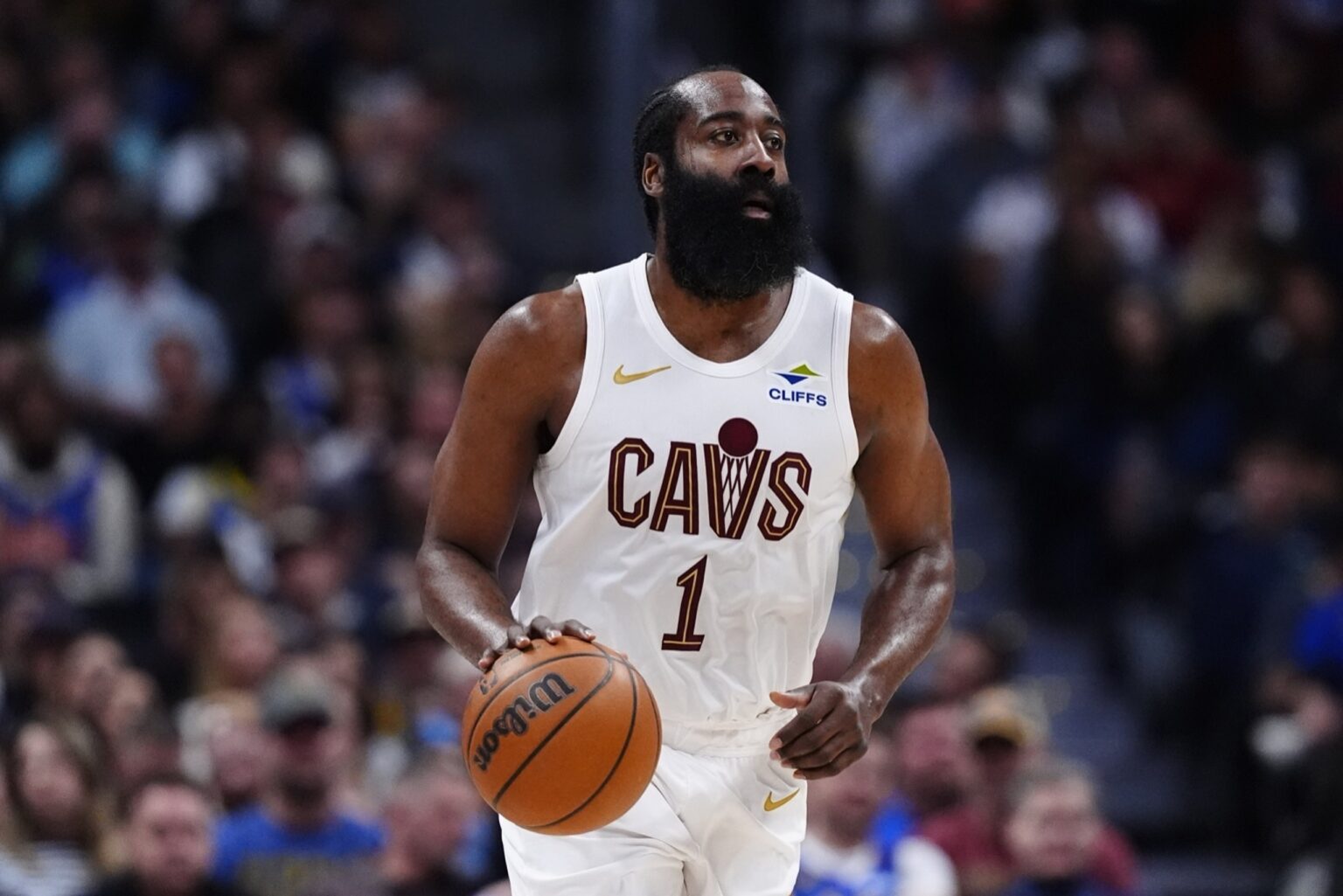
The Cleveland Cavaliers delivered a strong all-around performance to defeat the Philadelphia 76ers 115-101, controlling much of the game behind efficient offense, strong ball movement, and a historic performance from James Harden.
While the 76ers actually shot slightly better from the field at 45.9% compared to Cleveland’s 45.2%, the Cavaliers created separation in several key areas. Cleveland knocked down 16 three-pointers, shot an outstanding 92.0% from the free-throw line (23-25), and moved the ball beautifully with 28 assists as a team.
Philadelphia struggled to match that efficiency, particularly from deep, where they hit just 11-38 three-point attempts (28.9%). Turnovers also hurt the 76ers, as they committed 17 giveaways, allowing Cleveland to capitalize on extra possessions.
Behind a balanced offensive effort and a special night from Harden, the Cavaliers built a lead as large as 25 points and controlled the game for 80% of the night.
Here are five reasons Cleveland secured the victory.
1. James Harden Delivered A Historic Performance
The veteran guard shot 6-11, and logged 21 points, 5 rebounds, and 5 assists, while going 6-6 on free throws. His control of the offense and efficiency helped the Cavs get into an offensive rhythm and get the lead early.
Harden also has the ability to slow down. With the right spacing and the right decision every time, and we mean every time, helped the 76ers’ defense not know what to do. He was able to consistently create pressure on Philadelphia, whether it was shooting a 3-pointer or drawing contact and getting to the line.
His + 16 plus-minus is a good reflection of how effective Cleveland was when he was on the court.
2. Cleveland’s Balanced Starting Lineup Stepped Up
While Harden led the way, Cleveland’s starting unit produced across the board.
Donovan Mitchell was able to both score and facilitate for his team, contributing 6 assists with his 17 points. Posting 15 points on the night, and with that, 8 rebounds and 3 blocks, Evan Mobley was both offensively and defensively the backbone on the floor.
Giving Cleveland an important stretch option at the forward spot, Dean Wade made an important contribution with 3 three-pointers and a total of 13 points and 10 rebounds.
The Cavaliers proved to be a powerful offensive team as four of their starters scored more than 10 points. Even if Harden was the main impact player, he had a ton of help tonight.
3. Cleveland Dominated At The Free-Throw Line
Another major factor in the Cavaliers’ victory was their exceptional efficiency at the free-throw line.
Cleveland converted 23-25 free throws, an incredible 92%, which allowed them to extend their lead whenever Philadelphia tried to make a push.
Donovan Mitchell was perfect from the line, hitting all nine of his free-throw attempts, while Harden added six makes of his own.
Philadelphia, on the other hand, struggled to capitalize on their chances, making just 12-18 free throws (66.7%). That difference at the line created a significant scoring gap that favored Cleveland throughout the game.
4. The Cavaliers Won The Three-Point Battle
Cleveland had a strong shooting performance, particularly from outside.
The Cavaliers nailed 36.4% of their 3-pointers compared to the 76ers 28.9%. Cleveland made 16 3-pointers while Philadelphia scored 11, and that, in part, was another difference in the game.
The hotter shooting helped give Cleveland a much bigger lead. Keon Ellis scored the most points in the game and was the best on the bench. He had 4 successful 3-point attempts and had a total of 19 points plus 25.
Jaylon Tyson added to Cleveland’s offensive surge with 11 points and three converted three-pointers.
Those shots from outside gave Cleveland an advantage that the 76ers couldn’t come back from.
5. Philadelphia’s Turnovers And Inconsistent Offense Hurt Them
While a couple of players for the 76ers were able to score decently, as a team, the 76ers struggled to put points on the board.
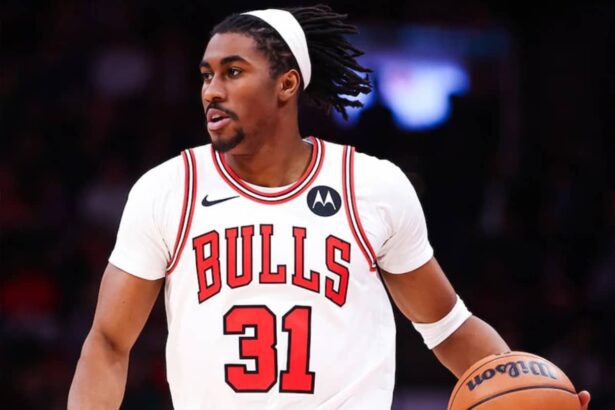
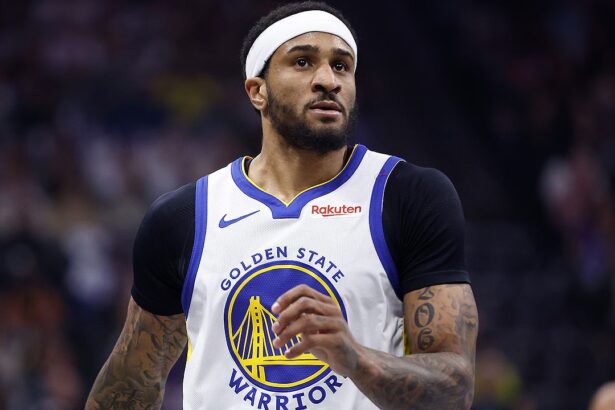
Quentin Grimes was the leading scorer for the 76ers with 17 points, and Cameron Payne scored 12 points and dished out 4 assists. Also, the team needed a spark off the bench, and Justin Edwards scored 14 points while only missing 1 shot, making 3 three-pointers.
However, the 76ers’ inability to score consistently stemmed from their 17 turnovers, which also led to many easy points for Cleveland on the break.
Even if the 76ers scored more in the paint (54-40) and also generated more points on the break (21-13), the three-point shooting proved to be the ultimate decider.