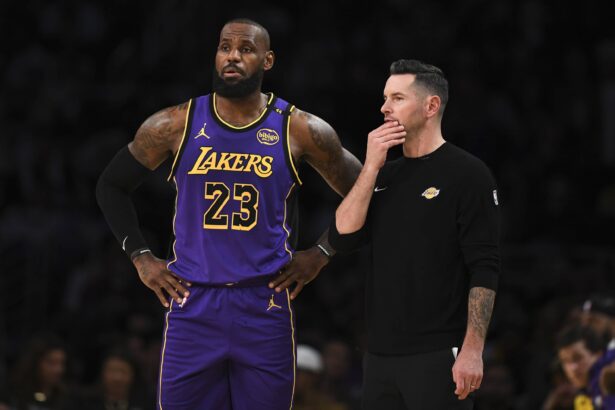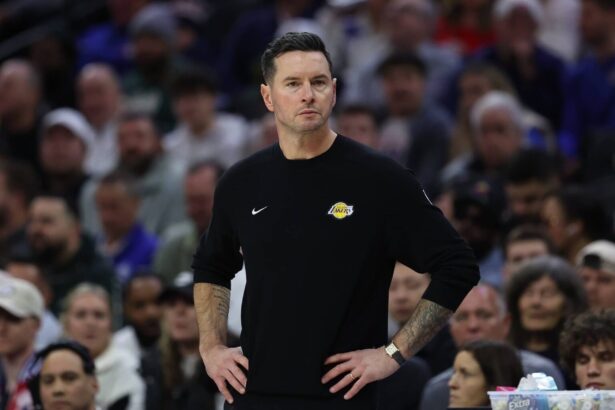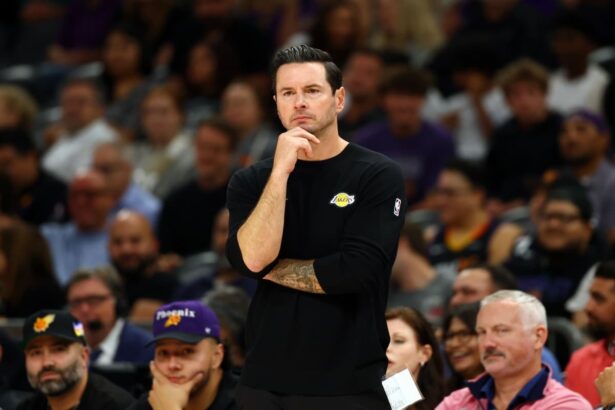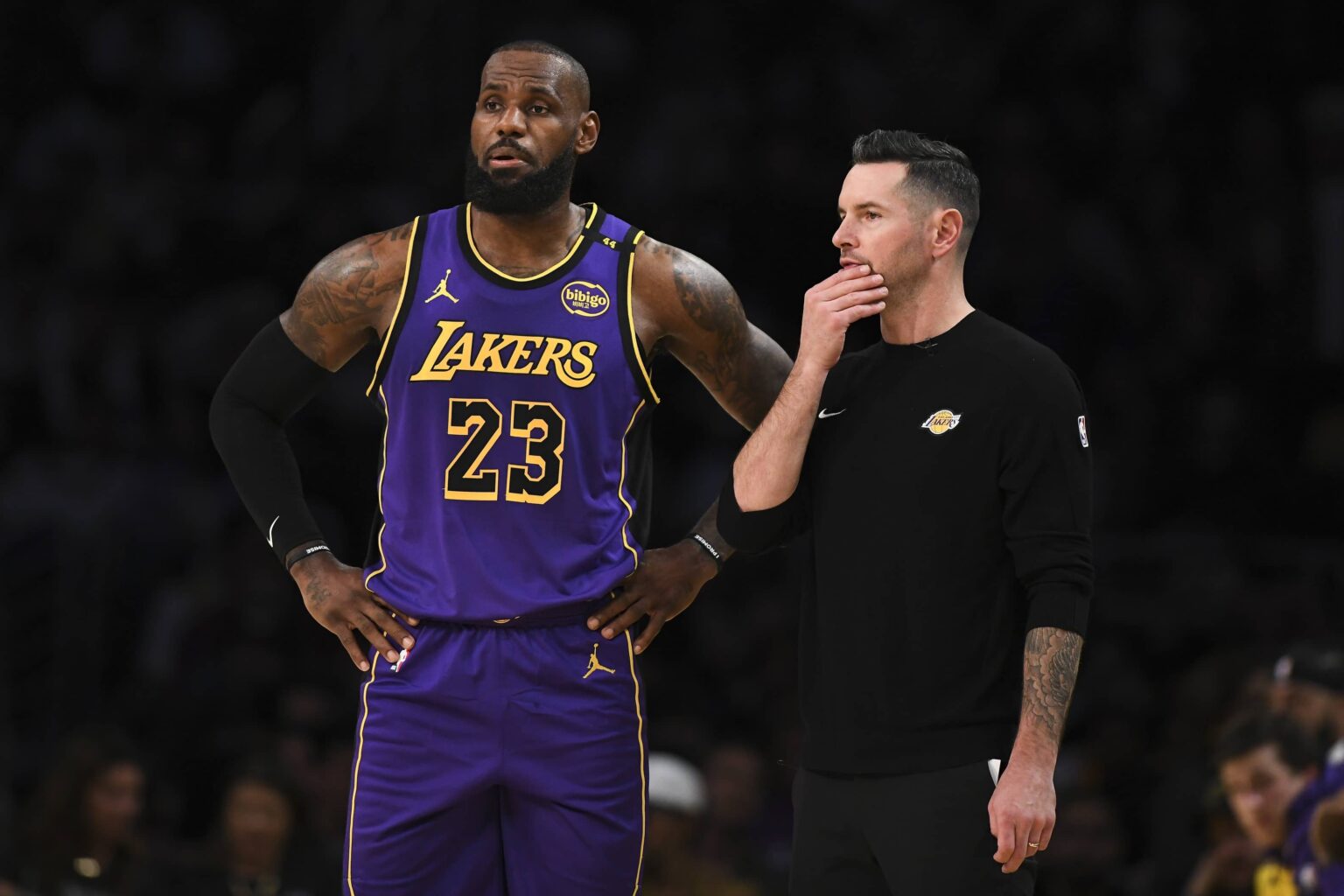
JJ Redick made it clear what the Los Angeles Lakers need from LeBron James heading into the playoffs. There is no scaling back or simplified role. At 41, the expectation is everything. Speaking to the media after the Lakers’ 101-73 win over the Phoenix Suns, Redick said:
“I mean, we’re going to need him to facilitate. We’re going to need him to score. We’re going to need him to defend and rebound. I think he recognizes the task at hand, and he’s very locked in. He’s played great all three games.”
The context explains why. The Lakers’ season flipped in one night against the Oklahoma City Thunder. A 43-point loss exposed them, but the bigger damage came from injuries. Luka Doncic suffered a hamstring injury expected to sideline him for three to six weeks. Austin Reaves followed with an oblique strain that carries a similar timeline of four to six weeks. Both are likely out for the first round.
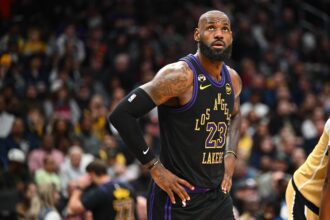
That leaves LeBron. Before the injuries, he had settled into a different phase. He averaged 21.0 points, 6.1 rebounds, and 7.2 assists this season while shooting 51.7% from the field. He was the third option, playing off Doncic and Reaves, picking his spots, controlling tempo when needed.
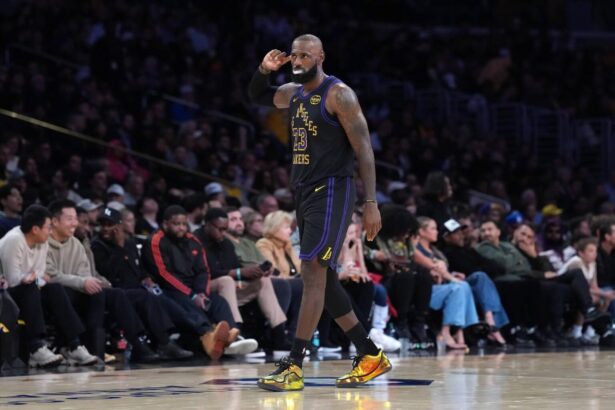
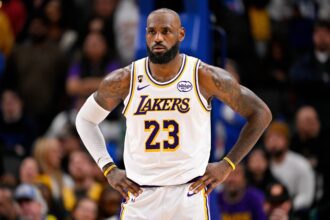
That version no longer exists. Over the last three games since those injuries, LeBron has shifted into full control mode. He is averaging 28.0 points, 12.7 assists, and 7.7 rebounds while shooting 60.0% from the field and 46.2% from three. The efficiency stands out, but the volume stands out more.
That is exactly what Redick pointed to. Facilitating means running every possession. LeBron has to read defenses, create advantages, and generate shots for teammates who are not primary creators. His 12.7 assists reflect that responsibility. Scoring means carrying the load. Without Doncic, there is no elite shot creator next to him. LeBron has to attack mismatches, control pace, and close games.
The workload is extreme. The timing makes it worse. LeBron even canceled a planned golf outing after the injuries, saying he has too much on his shoulders. That line captures the situation. This is not about managing minutes or pacing for later rounds. This is survival.
At 41 years old, sustaining this level of play deep into a playoff series presents a significant challenge, especially with the increased minutes and workload he is expected to handle. Still, the recent performances suggest he is prepared to embrace that responsibility, even as the physical demands continue to rise.
If the Lakers are going to survive the first round and stay competitive until Doncic and Reaves return, it will depend almost entirely on whether LeBron can maintain this level of production and control, because the path forward runs directly through him.