The Los Angeles Lakers have built a reputation this season as the kings of clutch time. The numbers back it up.
In the NBA, clutch time is officially defined as the final five minutes of the fourth quarter or any overtime period when the score margin is five points or fewer. In those situations, the Lakers are an eye-popping 16–3, the best record in the league. When games tighten and the pressure rises, they have been almost automatic.
The advanced metrics are even more impressive. Los Angeles owns the best offensive rating in clutch situations at 127.9. Defensively, they rank ninth at 107.4. That combination gives them the best net rating in clutch time at plus-20.6. They are shooting 52.4% from the field in those moments, the best mark in the NBA, and 39.4% from three, which ranks third. They also take care of the ball, posting the second-lowest turnover rate at just 0.6.
On top of that, the Lakers are 25–0 when leading after three quarters. If they enter the fourth with an advantage, they close the door.
That profile screams contender. Elite late-game offense, along with composure with elite shot-making from multiple creators.
Yet the full picture is more complicated.
The Lakers have lost 21 games this season, and those losses have not been nail-biters. Their average margin of defeat is 15.8 points. When they lose, it is often over by the third quarter or midway through the fourth. More concerning, they are just 11–13 against teams above .500. Against stronger competition, they have struggled to sustain control for 48 minutes.
That contrast raises the key question: are they dominant closers because they are great, or because they frequently need to dig themselves out of holes?
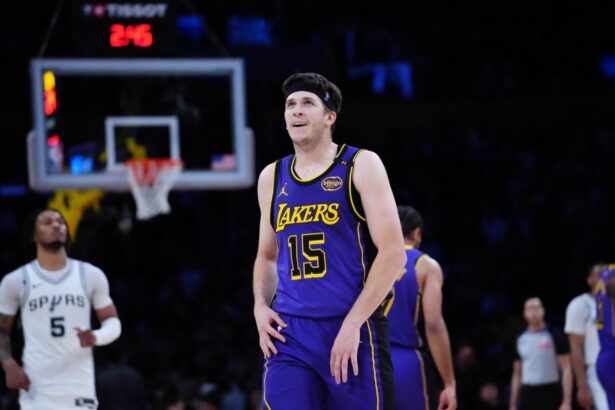
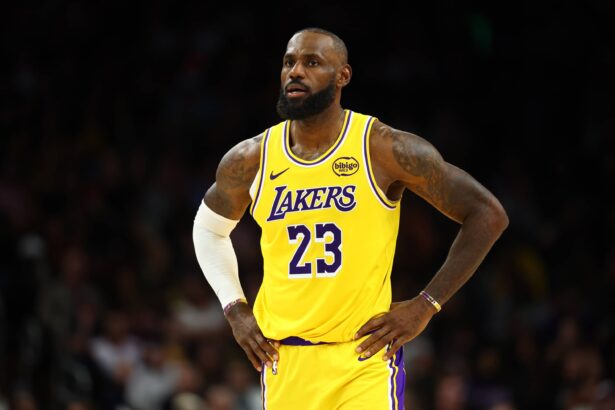
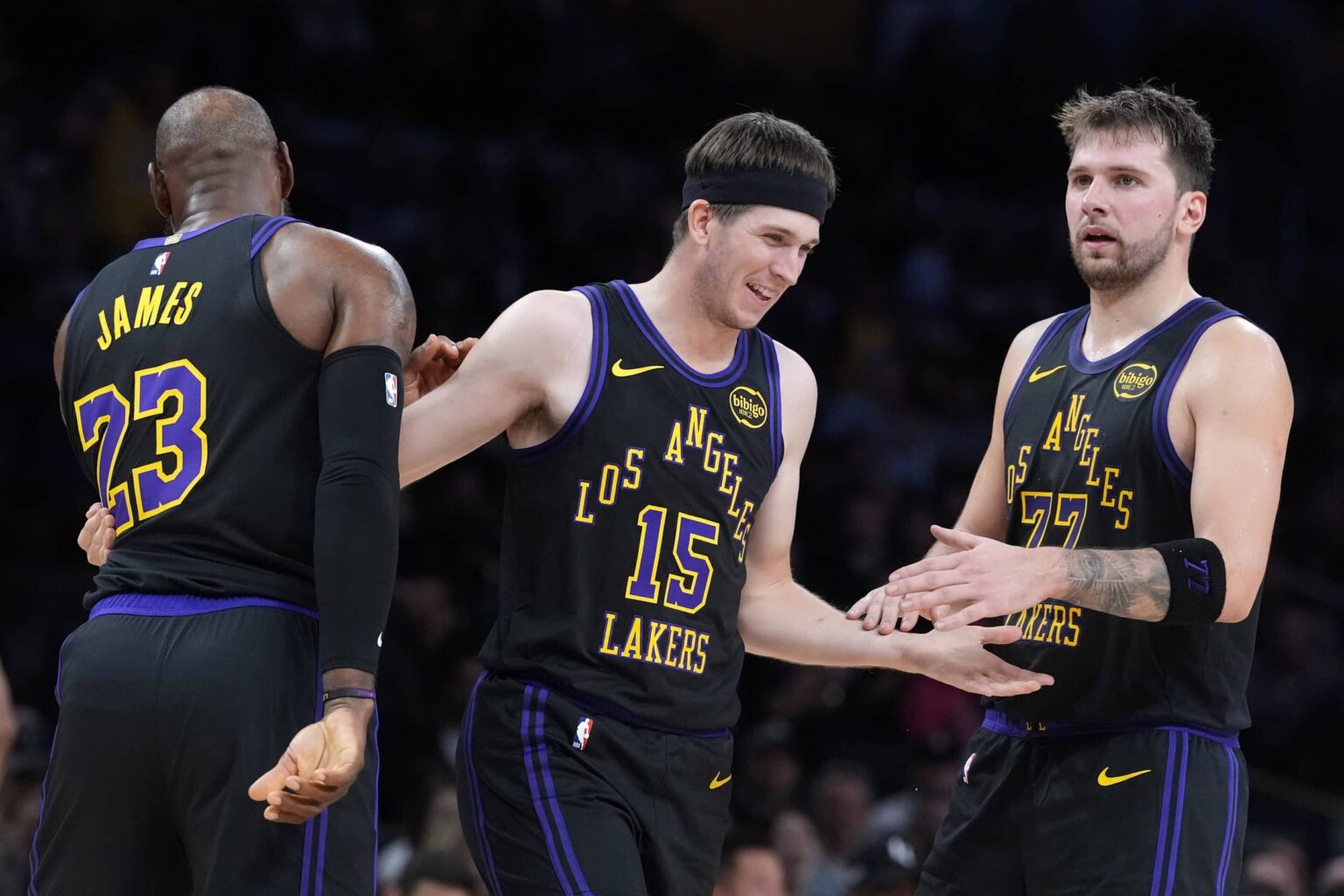
Offensively, the formula is clear. With Luka Doncic, LeBron James, and Austin Reaves, the Lakers have three legitimate shot creators who can score or facilitate. In tight games, that versatility is lethal. Few teams can match that level of late-game shot creation.
Defense, however, is where the doubts emerge.
The Lakers rank 24th in overall defensive rating at 116.7. They are 25th in defensive rebounds per game (31.4), 28th in blocks (4.0), 24th in opponent points off turnovers (19.3), and 21st in opponent points in the paint (51.5). Those are not championship-level indicators. Over a seven-game playoff series, defensive weaknesses tend to get exposed.
Still, context matters.
Los Angeles sits fifth in the Western Conference at 34–21. Their core trio of LeBron, Luka, and Reaves has played just 11 games together and posted an 8–3 record in that span. Continuity has been limited as their health has been inconsistent. And there is plenty of room for growth.
The Lakers do not need to be elite defensively every night. Their offensive firepower can compensate during stretches. In the postseason, though, they will need timely stops. Clutch-time numbers suggest they can execute under pressure. The bigger test is whether they can avoid needing heroics in the first place.
Being kings of clutch games is a powerful weapon. The question is whether it is enough to carry them through four playoff rounds against teams built to exploit every weakness.