The Los Angeles Lakers walked into Oklahoma City on April 2nd looking like one of the hottest teams in basketball. They had just finished a dominant March, going 15-2, the best win total in the league during that stretch. And their numbers backed it up. Sixth in offensive rating, 10th in defensive rating, and fifth in net rating. They had surged from sixth to third in the Western Conference and secured a second straight 50-win season.
This was supposed to be a statement game against the Oklahoma City Thunder, the defending champions and the best team in the league. Instead, it turned into a nightmare.
From the opening minutes, the Lakers looked overwhelmed. They fell behind 44-21 by the end of the first quarter. The game was effectively over before it had a chance to settle. By halftime, the deficit had gotten up to 82-51, a 31-point gap that reflected total control from Oklahoma City on both ends of the floor.
The final score read 139-96, a 43-point loss. One of the worst defeats in franchise history, tied 7th among the largest margins the Lakers have ever suffered.
Yet the scoreline was not the biggest concern. The real damage came through injuries.
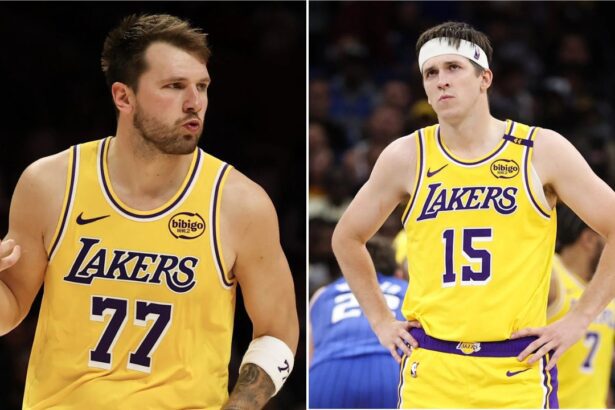
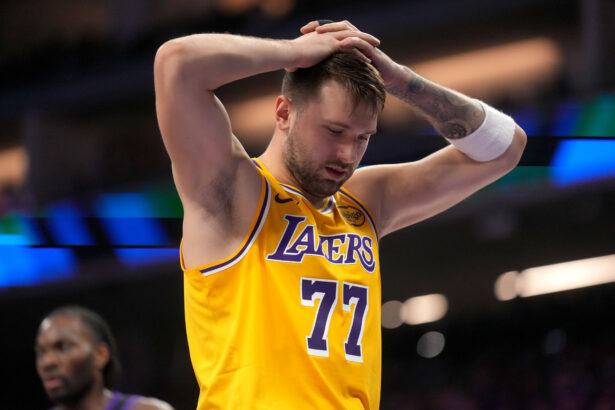
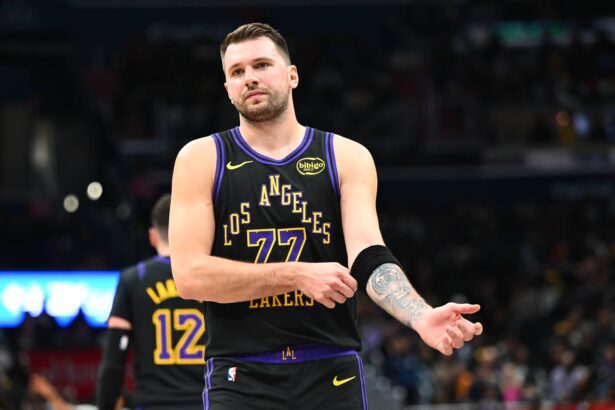
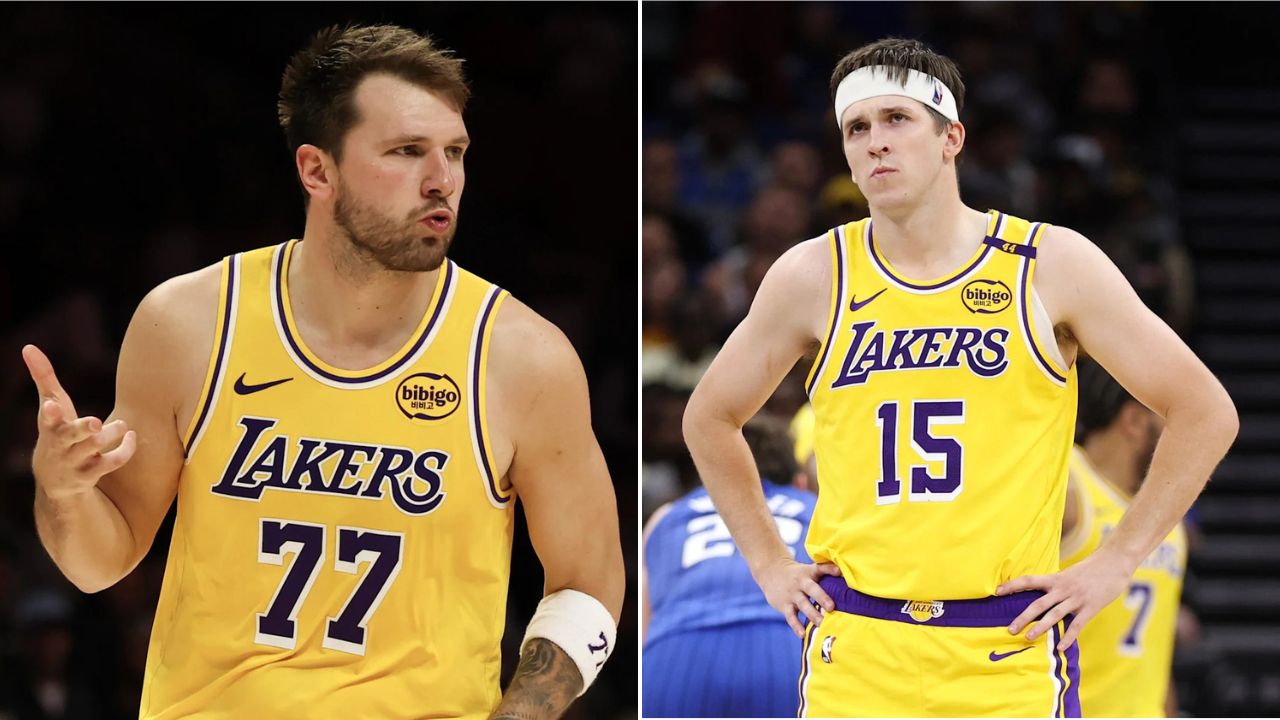
Luka Doncic went down in the third quarter with what initially looked like a routine pull, but it was not. He suffered a Grade 2 hamstring strain, a partial tear that will sideline him for three to six weeks. That timeline rules him out for the remainder of the regular season and likely the entire first round of the playoffs. At best, he returns late in the first round. More realistically, the second round becomes the target.
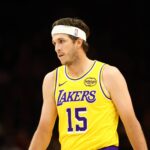
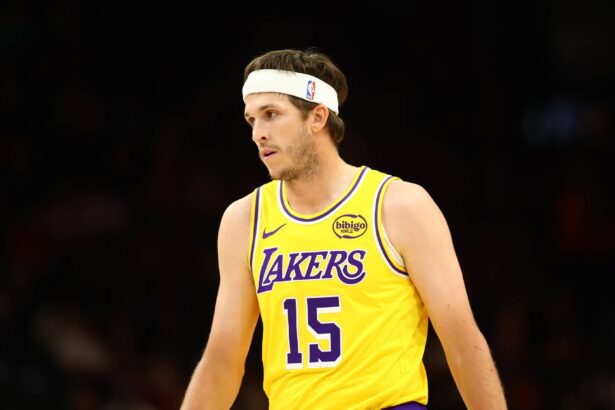
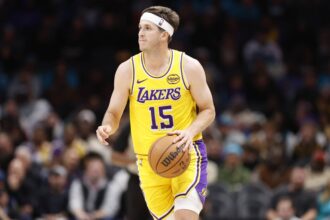
Then came the second blow. Austin Reaves had already shown signs of discomfort in the first quarter after battling for a rebound. He kept grabbing his side, but continued to play. He logged over 26 minutes and finished with 15 points. The next day, imaging confirmed a Grade 2 oblique strain. Another four to six week absence.
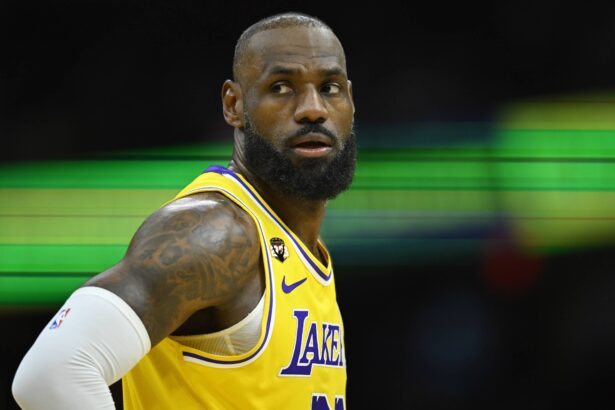
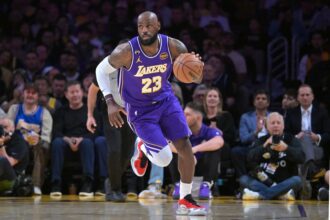
The loss itself almost feels secondary. Even a massive blowout can be dismissed over an 82-game season. But losing both Doncic and Reaves at this stage changes everything. Now the Lakers enter the playoffs without their primary offensive engine and their secondary creator. That leaves LeBron James with a familiar burden: Carry the team.
The difference now is age and context. LeBron is 41, in his 23rd season. The Western Conference is deeper and more competitive than ever. Potential matchups against teams like Denver, Minnesota, or Houston present major challenges even at full strength. Without Luka and Reaves, the margin disappears.
There is still a path. If the Lakers can survive the first round, they could get one or both players back deeper into the playoffs. That is the hope, but it is a fragile one. A month ago, the Lakers looked like a legitimate contender. Their form, chemistry, and momentum all pointed in the right direction.
One night in Oklahoma City flipped that narrative completely. A 43-point loss will be remembered, but the injuries will define their season.